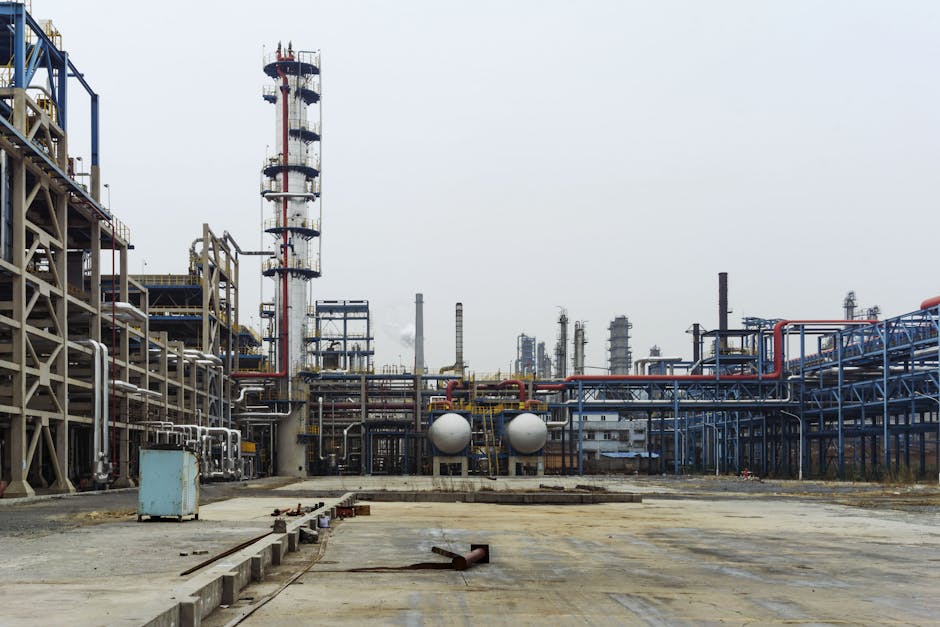
- China’s increased involvement in the global oil market is helping to keep prices steady at $100.
- The global oil market is experiencing relative calm due to China’s increased demand and strategic investments.
- Prices remain steady due to China’s strategic investments, providing a sense of stability for consumers and businesses.
- China’s actions in the oil market are being closely watched by industry experts for their potential impact on the global economy.
- Analysts warn that the current prices may not be sustainable in the long term due to various geopolitical and economic factors.
China’s increased involvement in the global oil market is currently helping to keep prices below $100, providing a sense of stability for consumers and businesses alike. However, analysts warn that this trend is unlikely to continue, citing various geopolitical and economic factors that could disrupt the market. The current situation is being closely watched by industry experts, who are waiting to see how China’s actions will impact the global economy.
Current Market Trends

The global oil market is currently experiencing a period of relative calm, with prices remaining steady due to China’s increased demand and strategic investments. This has resulted in a decrease in prices, providing relief to consumers who have been affected by rising energy costs. However, this stability is threatened by various factors, including the ongoing conflict in the Middle East and the potential for supply chain disruptions. As a result, analysts are warning that the current prices may not be sustainable in the long term.
Historical Context

The global oil market has experienced numerous fluctuations over the years, with prices often being influenced by geopolitical events and economic trends. The recent involvement of China in the market has added a new layer of complexity, with the country’s strategic investments and increased demand helping to shape the current landscape. To understand the current situation, it is essential to consider the historical context of the oil market, including the impact of past conflicts and economic trends on prices. According to CNBC, the oil market has been affected by various factors, including the Iran-US conflict and the COVID-19 pandemic.
Key Players and Motivations

The global oil market is influenced by a range of key players, including China, the US, and major oil-producing countries. Each of these players has its own motivations and interests, which can impact the market in various ways. China’s increased involvement in the market, for example, is driven by its desire to secure a stable supply of energy and reduce its reliance on other countries. The US, on the other hand, is seeking to maintain its influence in the market and protect its own economic interests. As Reuters reports, the motivations of these key players can have a significant impact on the market, leading to fluctuations in prices and changes in the global economy.
Consequences and Implications

The current state of the global oil market has significant implications for stakeholders, including consumers, businesses, and governments. A stable oil market can provide relief to consumers and support economic growth, while fluctuations in prices can have a negative impact on the economy. As a result, it is essential to closely monitor the market and anticipate potential changes. The consequences of China’s actions in the oil market will be closely watched, with analysts warning that any disruption to the current stability could have far-reaching implications for the global economy.
The Bigger Picture
The global oil market is just one part of a larger economic landscape, and its stability has significant implications for the world economy. A stable oil market can support economic growth, while fluctuations in prices can lead to instability and recession. As a result, it is essential to consider the broader context of the oil market, including the impact of geopolitical events and economic trends on prices. By understanding the complex relationships between these factors, it is possible to anticipate potential changes in the market and prepare for the consequences.
In conclusion, the current state of the global oil market is complex and influenced by a range of factors, including China’s increased involvement and the potential for supply chain disruptions. While the current stability is welcome, analysts warn that it is unlikely to last, and stakeholders must be prepared for potential changes in the market. As the situation continues to evolve, it will be essential to closely monitor the market and anticipate the consequences of any disruptions, in order to support economic growth and stability.
Source: Reddit