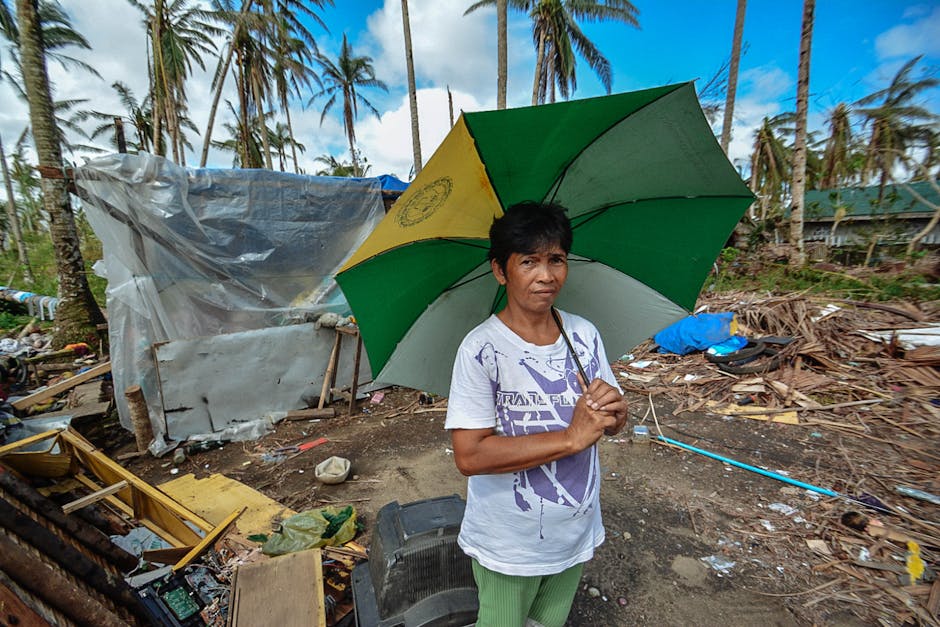
- A powerful earthquake with a magnitude of 7.8 struck the southern Philippines, leaving at least 37 people dead and hundreds injured.
- The quake triggered tsunami alerts across Mindanao and as far away as the Indonesian island of Sulawesi, highlighting the region’s seismic vulnerability.
- Emergency services are working to rescue those trapped under the debris, with the Philippine government deploying troops to assist in the relief efforts.
- The Philippines is located in the Pacific Ring of Fire, an area prone to seismic activity, making disaster preparedness crucial.
- The devastating impact of the earthquake serves as a reminder of the importance of disaster preparedness and infrastructure resilience in the region.
A powerful earthquake with a magnitude of 7.8 struck the southern Philippines early on Monday, leaving at least 37 people dead and hundreds injured. The quake, which hit about 20km off the coast of Sarangani province, collapsed buildings and triggered tsunami alerts across Mindanao and as far away as the Indonesian island of Sulawesi. The earthquake is a stark reminder of the region’s seismic vulnerability and the need for disaster preparedness.
Current Situation

The current situation in the affected areas is dire, with many buildings reduced to rubble and hundreds of people injured. The quake struck early in the morning, catching many people off guard and resulting in a significant loss of life. Emergency services are working to rescue those trapped under the debris, and the Philippine government has deployed troops to assist in the relief efforts. The full extent of the damage is still being assessed, but it is clear that the earthquake has had a devastating impact on the region.
Historical Context

The Philippines is located in the Pacific Ring of Fire, an area prone to seismic activity. The country has a long history of devastating earthquakes, and the latest quake is a reminder of the importance of disaster preparedness. In recent years, the Philippines has experienced several major earthquakes, including a magnitude-6.4 quake that struck Mindanao in 2019. The country’s geography and geology make it vulnerable to earthquakes, and it is essential that the government and residents take steps to mitigate the risks associated with seismic activity.
Key Players

The Philippine government, led by President Ferdinand Marcos Jr, is playing a crucial role in responding to the disaster. The government has deployed troops and emergency services to the affected areas, and international aid is being sought to support the relief efforts. The United Nations and other humanitarian organizations are also providing assistance, including food, shelter, and medical care. The local community is also coming together to support those affected, with many residents volunteering their time and resources to help with the relief efforts.
Consequences

The consequences of the earthquake are far-reaching, with many people left without access to basic necessities like food, water, and shelter. The economic impact of the disaster is also significant, with many businesses and homes destroyed. The Philippine government is working to provide support to those affected, including financial assistance and temporary housing. However, the road to recovery will be long and challenging, and it will require a sustained effort from the government, international organizations, and the local community.
The Bigger Picture
The earthquake in the Philippines is a reminder of the importance of disaster preparedness and the need for international cooperation in responding to natural disasters. The World Health Organization and other global organizations are working to support the relief efforts, and it is essential that countries around the world learn from each other’s experiences in responding to disasters. The earthquake also highlights the need for sustainable development and infrastructure that can withstand natural disasters, and it is an opportunity for the international community to come together to support those affected.
The earthquake in the Philippines is a devastating reminder of the power of nature and the importance of being prepared. As the country begins the long process of recovery, it is essential that the international community provides support and assistance. The road ahead will be challenging, but with the right support and resources, the people of the Philippines can rebuild and recover from this disaster. The international community must come together to provide support and assistance, and it is essential that we learn from this experience to better prepare for future disasters.
Source: The Guardian