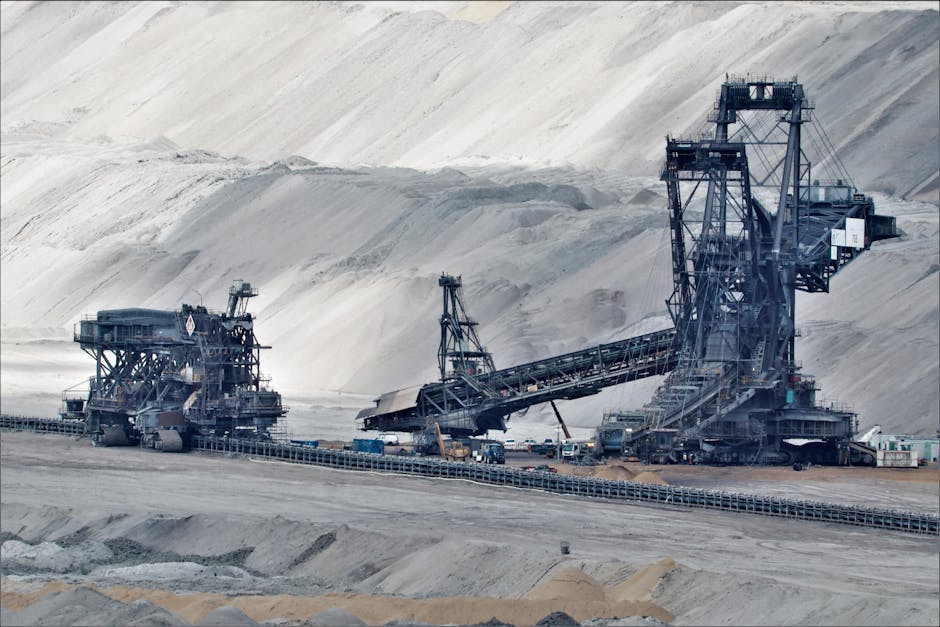
- A Global Witness investigation links Amazon, Ericsson, and Sony to coltan sourced from rebel-controlled mines in the DRC.
- Coltan, a vital mineral in electronics, is being smuggled by the M23 rebels, accused of serious human rights abuses.
- The complex nature of global supply chains makes it difficult for companies to trace mineral origins and prevent funding of armed groups.
- Lack of transparency in mineral sourcing allows rebel groups to exploit resources and perpetuate violence and atrocities.
- The findings highlight the need for increased corporate accountability in ensuring ethical and responsible mineral sourcing practices.
What role do global brands play in funding rebel atrocities in the Democratic Republic of Congo? A recent investigation by Global Witness suggests that leading brands like Amazon and Sony may have unknowingly sourced coltan, a mineral used in electronic devices, from supply chains controlled by the M23 rebels, who are accused of widespread human rights abuses. This raises questions about the accountability of global companies in preventing the financing of armed groups through their mineral sourcing practices.
Uncovering the Link Between Global Brands and Rebel-Controlled Mines

The investigation found that coltan, a crucial component in the production of electronic devices such as smartphones and laptops, is being smuggled from mines in the DRC that are controlled by the M23 rebels. Global Witness claims that companies like Amazon, Ericsson, and Sony are likely to have acquired this coltan, potentially funding the rebels and contributing to the perpetuation of atrocities in the region. The complexity of global supply chains makes it challenging for companies to trace the origin of the minerals they use, but this lack of transparency is precisely what allows rebel groups to exploit these resources for their own gain.
Evidence of Rebel Involvement in Coltan Mining

Reports from the ground and documentation by organizations like Global Witness provide evidence of the M23 rebels’ involvement in coltan mining and smuggling. The rebels’ control over mines and trade routes enables them to profit from the mineral trade, using these funds to finance their military activities. Quotes from local sources and reports of human rights abuses underscore the severity of the situation, highlighting the need for global brands to take responsibility for their supply chains. According to Global Witness, the international community must take action to prevent the exploitation of minerals in conflict zones.
Counter-Perspectives and Challenges in Addressing the Issue

Skeptics argue that completely eliminating the risk of sourcing minerals from conflict zones is nearly impossible due to the complexity and opacity of global supply chains. Moreover, some companies might claim that they have implemented measures to ensure their minerals are conflict-free, even if the effectiveness of these measures is debated. However, the persistence of human rights abuses linked to mineral exploitation in the DRC suggests that current efforts are insufficient. The challenge lies in balancing the need for mineral resources with the imperative to prevent the financing of armed groups, requiring a concerted effort from governments, companies, and international organizations to establish and enforce stricter regulations and transparency standards.
Real-World Impact of Mineral Exploitation in the DRC

The real-world consequences of mineral exploitation in the DRC are dire, with local communities suffering from violence, displacement, and economic exploitation. The funding of rebel groups through mineral smuggling perpetuates a cycle of violence, undermining efforts to achieve peace and stability in the region. Concrete examples include the displacement of thousands of civilians due to rebel attacks and the destruction of villages, highlighting the urgent need for global action to address the root causes of these conflicts.
What This Means For You
The implications of global brands sourcing minerals from rebel-controlled mines are significant for consumers, who unwittingly may be contributing to human rights abuses through their purchases. As awareness grows, consumers can push for greater transparency and accountability in the mineral sourcing practices of the companies they support. By choosing products from companies that prioritize ethical sourcing and by advocating for stricter international regulations, individuals can play a role in preventing the exploitation of minerals in conflict zones.
As the world becomes increasingly aware of the complexities of global supply chains and their potential impact on human rights, a crucial question emerges: How can we balance the demand for electronic devices with the need to prevent the financing of armed groups and human rights abuses? The answer will require a multifaceted approach, involving not just companies and governments but also consumers, who must demand more transparency and accountability in the production of the goods they buy.
Source: The Guardian