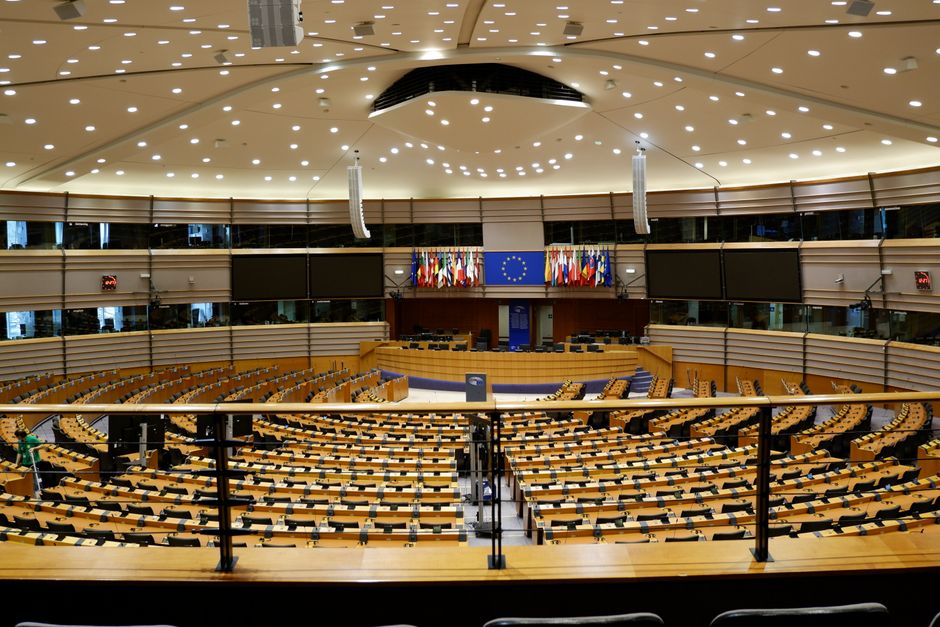
- The EU is facing economic uncertainty, with leaders meeting to discuss ways to stimulate growth and address pressing issues.
- Brexit, the COVID-19 pandemic, and global trade tensions have contributed to the EU’s sluggish economic growth.
- The EU remains a significant economic power, with a combined GDP of over $18 trillion.
- EU leaders are exploring ways to increase investment, improve competitiveness, and enhance economic cooperation between member states.
- The EU’s economy is expected to grow by 1.5% in 2026, with varying performances among member states.
What are the key economic challenges facing the European Union, and how are its leaders addressing them? The EU is currently experiencing a period of economic uncertainty, with leaders from across the continent meeting to discuss ways to stimulate growth and address pressing issues. As of June 10th, 2026, the EU is at a critical juncture, with the meeting aiming to provide a clear path forward for economic development.
Understanding the Economic Landscape

The European Union is a complex and diverse economic entity, comprising 27 member states with varying levels of economic development. The EU’s economic growth has been sluggish in recent years, with factors such as Brexit, the COVID-19 pandemic, and global trade tensions all taking their toll. Despite these challenges, the EU remains a significant economic power, with a combined GDP of over $18 trillion. The current meeting of EU leaders seeks to build on this foundation, exploring ways to increase investment, improve competitiveness, and enhance economic cooperation between member states.
Supporting Evidence and Data

According to a report by the European Commission, the EU’s economy is expected to grow by 1.5% in 2026, with some member states, such as Germany and France, anticipated to perform more strongly than others. The report highlights the need for continued investment in key areas, including digital infrastructure, renewable energy, and education. By examining the data and trends, it becomes clear that the EU’s economic growth is closely tied to its ability to adapt to changing global circumstances and to foster a culture of innovation and entrepreneurship.
Counter-Perspectives and Challenges

Not all experts are optimistic about the EU’s economic prospects, with some arguing that the bloc’s institutional framework and regulatory environment can hinder growth and competitiveness. For example, the EU’s complex system of governance and decision-making can make it difficult to implement policies quickly and effectively. Additionally, the EU’s commitment to social and environmental protection can sometimes be at odds with the need to promote economic growth and job creation. These counter-perspectives highlight the need for a nuanced and balanced approach to economic policy, one that takes into account the diverse needs and priorities of EU member states.
Real-World Impact and Consequences

The outcome of the EU leaders’ meeting will have significant real-world implications, affecting not only the economies of individual member states but also the lives of citizens across the continent. For instance, a successful meeting could lead to increased investment in key sectors, such as technology and sustainable energy, creating new job opportunities and driving economic growth. On the other hand, a failure to reach agreement could exacerbate existing economic challenges, leading to reduced growth, higher unemployment, and decreased living standards. As the EU navigates this critical period, it is essential to consider the potential consequences of different policy choices and to prioritize the needs and interests of all member states.
What This Means For You
The EU leaders’ meeting has important implications for individuals and businesses across Europe, highlighting the need for a coordinated and effective response to economic challenges. As the EU seeks to stimulate growth and address pressing issues, citizens can expect to see a range of policy initiatives and investments aimed at promoting economic development and improving living standards. By staying informed about the latest developments and engaging with the policy debate, individuals can play a vital role in shaping the EU’s economic future and ensuring that the needs and interests of all member states are represented.
As the EU continues to evolve and adapt to changing global circumstances, what role will emerging technologies, such as artificial intelligence and renewable energy, play in driving economic growth and competitiveness? How will the EU balance the need to promote economic development with the need to protect social and environmental standards? These are just some of the questions that will be crucial in shaping the EU’s economic future, and ones that citizens, businesses, and policymakers will need to address in the months and years ahead.
Source: Euronews