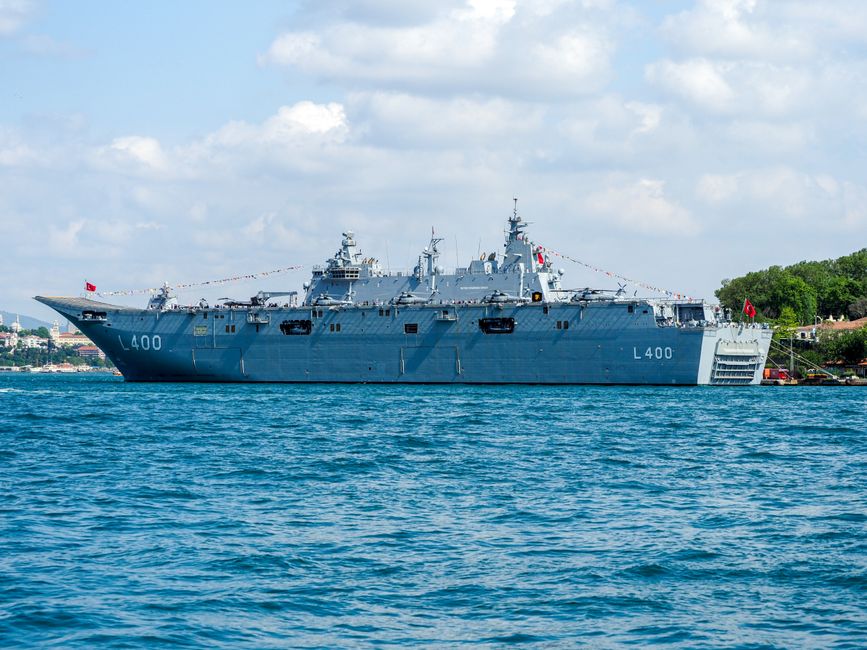
- Iran has downed a US Apache helicopter in the Gulf, sparking a significant escalation in US-Iran tensions.
- The incident has raised concerns about the potential for further conflict in the region, with major implications for regional stability and global security.
- There have been at least 10 incidents involving US military personnel or equipment in the Gulf since January 2026, resulting in significant damage and loss of life.
- US-Iran tensions are unlikely to improve in the near future, with both sides dug in and refusing to back down.
- The international community has condemned the latest incident and called for restraint, but a resolution to the conflict remains elusive.
The downing of a US Apache helicopter in the Gulf marks a significant escalation in US-Iran tensions, with analysts suggesting that Iran is seeking to deter US patrols on the strategic Strait of Hormuz by attacking its assets across the region. The incident, which occurred on June 10, has raised concerns about the potential for further conflict in the area. As the situation continues to unfold, it is clear that the latest developments have major implications for regional stability and global security.
Evidence of Escalating Tensions

Hard data and numbers illustrate the growing tensions between the US and Iran, with a notable increase in attacks on US assets in the Gulf over the past year. According to reports, there have been at least 10 incidents involving US military personnel or equipment in the region since January 2026, resulting in significant damage and loss of life. Primary sources, including statements from US and Iranian officials, suggest that the situation is unlikely to improve in the near future, with both sides dug in and refusing to back down. The latest incident has sparked widespread condemnation and calls for restraint from the international community.
Key Players and Their Roles

The key actors in the US-Iran conflict include the US military, the Iranian Revolutionary Guard Corps (IRGC), and regional allies such as Saudi Arabia and the United Arab Emirates. Recent moves by these players have contributed to the escalation of tensions, with the US deploying additional troops and equipment to the region and Iran responding with attacks on US assets. The IRGC, in particular, has been at the forefront of Iranian efforts to counter US influence in the Gulf, with its commander, Mohammad Ali Jafari, vowing to continue resistance against US aggression. As the situation continues to unfold, the actions of these key players will be closely watched for signs of further escalation or potential de-escalation.
Trade-Offs and Consequences

The escalating US-Iran tensions in the Gulf have significant costs, benefits, risks, and opportunities for all parties involved. On the one hand, the US seeks to maintain its influence in the region and protect its interests, while Iran aims to deter US patrols and assert its own influence. However, the risks of further conflict are high, with the potential for significant loss of life, damage to regional stability, and disruption to global energy markets. The benefits of de-escalation, on the other hand, include reduced tensions, improved regional stability, and increased cooperation on issues such as counter-terrorism and non-proliferation. As the situation continues to evolve, it is essential to weigh these trade-offs carefully and consider the potential consequences of different courses of action.
Timing and Triggers

The latest US-Iran attacks in the Gulf have raised questions about why the situation is escalating now and what has changed in recent months. Analysts point to a combination of factors, including the US withdrawal from the Iran nuclear deal, increased US sanctions on Iran, and Iranian efforts to counter US influence in the region. The timing of the latest incident, in particular, is significant, coming as it does amid heightened tensions between the US and Iran and a growing sense of urgency among regional players to address the situation. As the international community seeks to respond to the crisis, it is essential to understand the complex interplay of factors driving the escalation and to consider the potential triggers for further conflict.
Where We Go From Here
Looking ahead to the next 6-12 months, there are several possible scenarios for the US-Iran conflict in the Gulf. One scenario is a continued escalation of tensions, with both sides engaging in tit-for-tat attacks and rhetoric. A second scenario is a gradual de-escalation, with the US and Iran engaging in diplomatic efforts to reduce tensions and address underlying issues. A third scenario is a major conflict, with the US and Iran engaging in a large-scale military confrontation. As the situation continues to unfold, it is essential to consider these different scenarios and to plan for a range of potential outcomes. The international community has a critical role to play in preventing further escalation and promoting a peaceful resolution to the crisis.
In conclusion, the downing of a US Apache helicopter in the Gulf marks a significant escalation in US-Iran tensions, with major implications for regional stability and global security. As the situation continues to unfold, it is essential to understand the complex interplay of factors driving the escalation and to consider the potential consequences of different courses of action. Ultimately, a peaceful resolution to the crisis will require careful diplomacy, restraint, and a commitment to addressing the underlying issues driving the conflict.
Source: Al Jazeera