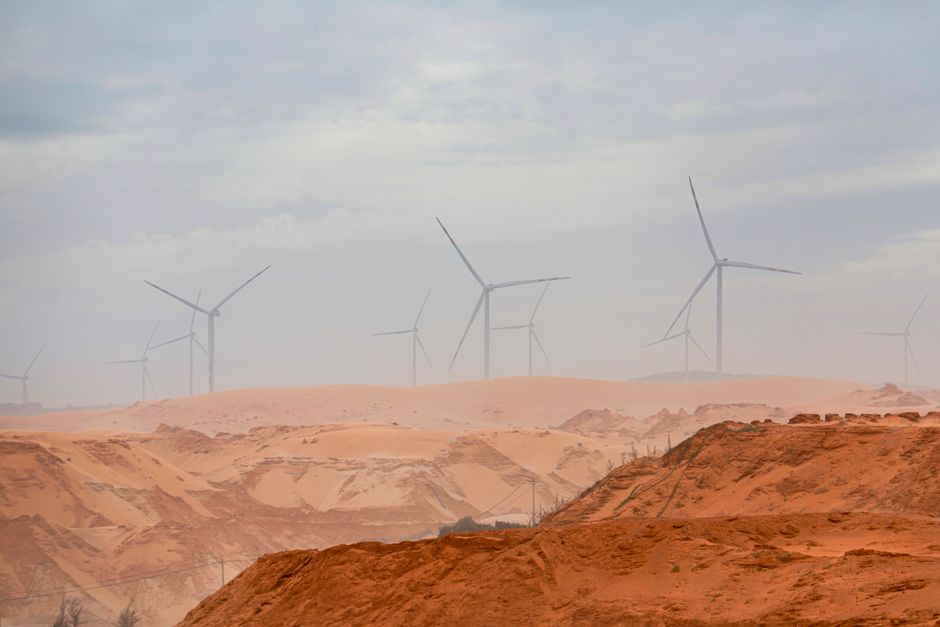
- Combining energy and habitat restoration can have a positive impact on biodiversity, climate, and the economy.
- Careful planning can allow energy production and wildlife conservation to coexist and complement each other.
- Renewable energy generation on restored habitats can create unique environments that support diverse wildlife.
- Solar farms on restored peatland can attract a wide variety of bird species and support biodiversity.
- This synergy is crucial for addressing the dual challenges of climate change and biodiversity loss.
A solar farm constructed on restored peatland in Germany has become an unexpected haven for a diverse range of bird species, highlighting the potential benefits of combining renewable energy generation with habitat restoration. The project, which has been closely monitored, demonstrates that such initiatives can have a positive impact on biodiversity, climate, and the economy. This development is particularly significant as the world grapples with the challenges of meeting energy demands while preserving natural habitats.
Current Developments in Renewable Energy and Wildlife Conservation

The solar park, situated on what was once degraded peatland, has undergone a remarkable transformation. Through the process of rewetting the peatland, the area has been restored to a thriving ecosystem. The introduction of solar panels has not only generated clean energy but has also created a unique environment that supports a wide variety of bird life. Observations have shown that the solar farm attracts numerous bird species, indicating that with careful planning, energy production and wildlife conservation can coexist and even complement each other. This synergy is crucial for addressing the dual challenges of climate change and biodiversity loss.
Historical Context: Peatland Degradation and Restoration

The story behind the success of this solar farm on restored peatland begins with understanding the historical context of peatland degradation. Peatlands, which are among the most effective natural carbon sinks, have been subjected to drainage and exploitation for agricultural and energy purposes, leading to significant carbon emissions and loss of biodiversity. However, in recent years, there has been a growing recognition of the importance of restoring these ecosystems. The rewetting of peatlands not only helps in sequestering carbon but also reinstates habitats for numerous species. The integration of solar farms into these restored landscapes represents a forward-thinking approach to balancing human needs with environmental conservation.
Key Players and Motivations

The individuals and organizations involved in the development of solar farms on restored peatlands are driven by a shared vision of sustainability and environmental stewardship. These include renewable energy companies, conservation groups, and government agencies, all working together to create models that can be replicated globally. Their motivations stem from the desire to mitigate climate change, preserve biodiversity, and ensure that economic development is sustainable and equitable. By collaborating on projects like the solar farm in Germany, these stakeholders aim to demonstrate that economic growth and environmental protection are not mutually exclusive, but rather interdependent.
Consequences for the Environment and Economy

The implications of successfully combining solar energy production with peatland restoration are far-reaching. For the environment, it means the preservation of critical ecosystems that support a wide range of flora and fauna, alongside the reduction of greenhouse gas emissions. Economically, it presents opportunities for job creation in both the renewable energy sector and conservation efforts, contributing to sustainable development. Furthermore, by enhancing biodiversity and ecosystem services, these projects can also improve air and water quality, benefiting local communities and contributing to human well-being. As the world seeks to transition to cleaner energy sources and mitigate the effects of climate change, models like this offer valuable lessons.
The Bigger Picture
This innovative approach to energy production and habitat restoration fits into a broader narrative of sustainable development and environmental conservation. It underscores the importance of considering the interconnectedness of human and natural systems in policy-making and project development. By embracing such holistic approaches, societies can work towards achieving the United Nations’ Sustainable Development Goals (SDGs), particularly those related to climate action, life on land, and clean energy. The success of the solar farm on restored peatland in Germany serves as a beacon of hope, illustrating that with creativity, collaboration, and a commitment to sustainability, it is possible to address some of the planet’s most pressing challenges.
As the world looks to the future, the integration of renewable energy technologies with conservation efforts will play a critical role in shaping a more sustainable tomorrow. The story of the solar farm on restored peatland reminds us that even in the face of significant environmental challenges, there are opportunities for innovation and progress. By learning from such examples and scaling up these initiatives, we can move closer to a future where energy needs are met without compromising the health of the planet. For more information on peatland restoration and renewable energy, visit nature.com or iucn.org.
Source: New Scientist