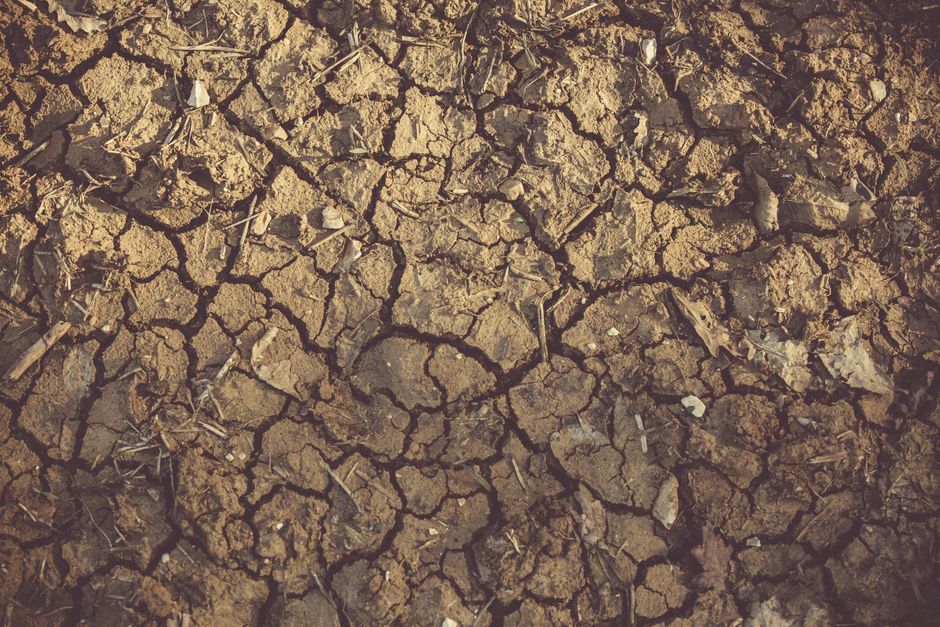
- The US is planning to build new AI datacenters in drought-hit areas, exacerbating water scarcity concerns.
- Two-thirds of upcoming datacenters are set to be built in areas severely impacted by drought, including the western and southern US.
- Datacenters require millions of gallons of water to cool their servers, putting a strain on local water resources.
- The construction of new datacenters will worsen water scarcity issues in the US, according to the US Environmental Protection Agency.
- The AI industry’s water usage has significant implications for the environment and local communities.
The US is experiencing a record-shattering drought, but the artificial intelligence industry is pushing ahead with plans to build new datacenters in some of the driest areas, according to a Guardian analysis. The majority of planned datacenters, which require large amounts of water to operate, are set to be built in drought-ridden locations, sparking outcry over the industry’s water usage. This move has significant implications for the environment and local communities, highlighting the need for sustainable practices in the tech industry.
Evidence of Drought-Hit Datacenters

According to the Guardian analysis, about two-thirds of upcoming datacenters are set to be built in places that have been severely impacted by drought. These areas, which include parts of the western and southern US, are already struggling to meet the water needs of local residents and farmers. The construction of new datacenters will only exacerbate the problem, with each facility requiring millions of gallons of water to cool its servers. This is a significant concern, as the US Environmental Protection Agency has reported that water scarcity is a growing issue in the US.
Key Players in the AI Industry

The AI industry is driven by key players such as Google, Amazon, and Microsoft, which are investing heavily in the development of new datacenters. These companies are drawn to areas with low energy costs and favorable business environments, but they often overlook the environmental impact of their operations. Local governments, eager to attract new businesses and create jobs, may also be complicit in the construction of datacenters in drought-hit areas. However, some companies, such as Google, are starting to take steps to reduce their water usage and invest in sustainable practices.
Trade-Offs and Consequences

The construction of datacenters in drought-hit areas has significant trade-offs and consequences. On the one hand, the datacenters will create jobs and stimulate local economies. On the other hand, they will exacerbate water scarcity, harm local ecosystems, and contribute to climate change. The AI industry must weigh these costs and benefits and consider the long-term implications of its actions. As the United Nations has reported, water scarcity is a major concern globally, and the AI industry must play a role in mitigating this issue.
Timing and Context

The timing of the datacenter construction is particularly concerning, given the severity of the current drought. The US is experiencing one of the worst droughts in its history, with millions of people affected and significant economic losses. The construction of new datacenters will only add to the stress on already strained water resources. As the National Drought Mitigation Center has reported, droughts are becoming more frequent and severe, and the AI industry must adapt to this new reality.
Where We Go From Here
Over the next 6-12 months, there are several possible scenarios for the AI industry and its impact on the environment. One scenario is that the industry will continue to prioritize profits over sustainability, leading to further environmental degradation and social unrest. Another scenario is that the industry will begin to adopt more sustainable practices, such as using recycled water and investing in renewable energy. A third scenario is that governments will intervene, implementing regulations and incentives to encourage sustainable practices in the tech industry. Ultimately, the AI industry must take a proactive approach to addressing the environmental consequences of its actions.
In conclusion, the construction of new AI datacenters in drought-hit areas is a significant concern that requires immediate attention. The AI industry must prioritize sustainability and take steps to reduce its water usage and environmental impact. As the Guardian has reported, sustainable practices are essential for the long-term success of the tech industry, and the AI industry must adapt to this new reality. The bottom line is that the AI industry must balance its growth with environmental responsibility, ensuring a sustainable future for all.
Source: The Guardian