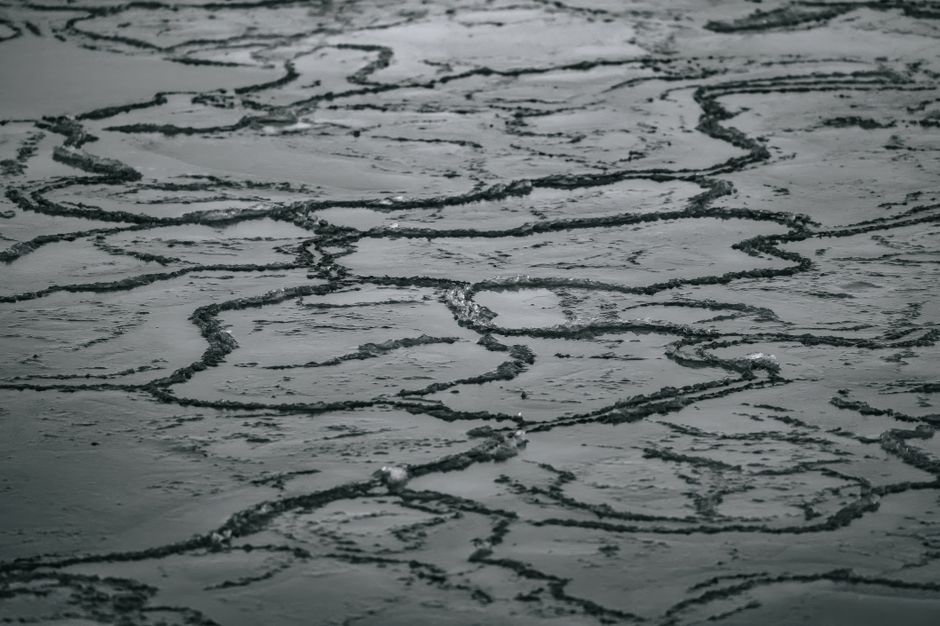
- Iran’s lakes are rapidly disappearing due to a severe and escalating water crisis impacting the nation.
- Years of drought, reduced rainfall, and unsustainable water usage are primary drivers of this environmental disaster.
- Population growth has amplified the strain on Iran’s limited water resources, worsening the overall situation.
- The ongoing US-Israel conflict has further complicated Iran’s ability to effectively manage and conserve water.
- The vanishing lakes pose a significant threat to Iran’s food security, economy, and overall environmental stability.
Iran’s lakes are vanishing at an alarming rate, with satellite images revealing a deepening water crisis in the country. Years of drought, falling rainfall, and unsustainable water use have been worsened further by the US-Israel war, leaving Iran’s water resources on the brink of collapse. The crisis has significant implications for the country’s food security, economy, and environmental stability, making it a critical issue that requires immediate attention.
The Crisis Unfolds

The water crisis in Iran is not a new phenomenon, but it has been exacerbated in recent years due to a combination of natural and man-made factors. The country has experienced several years of drought, with rainfall levels plummeting to historic lows. At the same time, Iran’s population has continued to grow, putting additional pressure on the country’s already strained water resources. The situation has been further complicated by the US-Israel war, which has disrupted Iran’s ability to manage its water resources effectively.
Key Factors Contributing to the Crisis

The main factors contributing to the crisis are drought, falling rainfall, and unsustainable water use. Iran’s agricultural sector is a significant user of water, with many farmers relying on groundwater to irrigate their crops. However, the over-extraction of groundwater has led to a significant decline in water tables, making it difficult to access water for other uses. Additionally, the country’s water infrastructure is in dire need of upgrading, with many of its dams, canals, and pipelines in a state of disrepair.
Analysis of the Crisis

An analysis of the crisis reveals that it is a complex issue with multiple causes and effects. The drought and falling rainfall have reduced the amount of water available for use, while the unsustainable water use practices have exacerbated the problem. The US-Israel war has also played a significant role in the crisis, disrupting Iran’s ability to manage its water resources and invest in much-needed infrastructure upgrades. According to Al Jazeera, the crisis has already had a significant impact on Iran’s food security, with many farmers struggling to access the water they need to grow their crops.
Implications of the Crisis

The implications of the crisis are far-reaching and have significant consequences for Iran’s economy, environment, and human population. The lack of access to clean water has already led to the displacement of many people, particularly in rural areas where the crisis is most acute. The crisis also has significant implications for Iran’s food security, with the country relying heavily on imports to meet its food needs. Furthermore, the crisis has the potential to exacerbate existing social and economic tensions, making it a critical issue that requires immediate attention.
Expert Perspectives
Experts agree that the crisis is a complex issue that requires a comprehensive and multi-faceted approach to resolve. According to BBC News, some experts believe that Iran needs to invest in water-saving technologies and practices, such as drip irrigation and water recycling, to reduce its water usage. Others argue that the country needs to adopt a more sustainable approach to agriculture, focusing on crops that are more resistant to drought and require less water.
Looking ahead, it is clear that the crisis will require a sustained and coordinated effort to resolve. The international community has a critical role to play in supporting Iran’s efforts to address the crisis, through the provision of financial and technical assistance. Additionally, Iran’s government needs to take a more proactive approach to managing its water resources, investing in infrastructure upgrades and promoting sustainable water use practices. As the situation continues to unfold, one thing is clear: the fate of Iran’s lakes and water resources hangs in the balance, and immediate action is needed to prevent a catastrophe.
Source: Al Jazeera