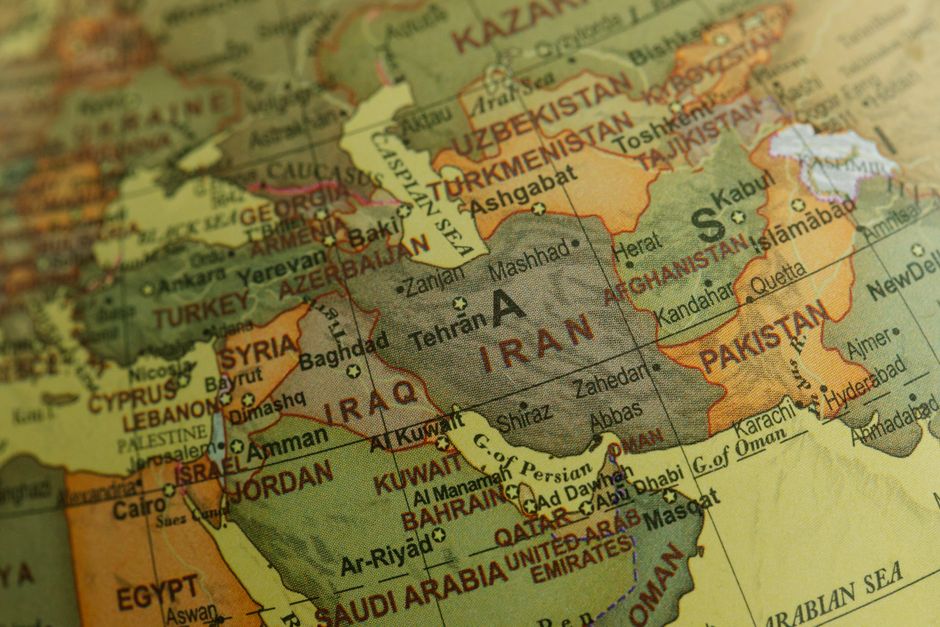
- Iran’s recent strikes against Israel aim to protect its regional allies and maintain the balance of power in the Middle East.
- Tehran’s resolve to defend its strategic interests reflects its determination to resist attempts by adversaries to undermine its influence in the region.
- Iran’s extensive network of proxies and allies, including Hezbollah, has established it as a significant player in regional politics.
- Iran’s actions are motivated by a desire to safeguard its regional gains and prevent shifts in the balance of power that could compromise its interests.
- The ongoing tensions between Iran and Israel are deeply rooted in the complex web of alliances and rivalries that define the Middle East.
Iran’s recent strikes against Israel mark a deliberate attempt by Tehran to protect its regional gains and maintain the balance of power in the Middle East. By retaliating for Israeli strikes on Hezbollah in Lebanon, Iran is signaling its resolve to stand by its allies and defend its strategic interests. This development is crucial, as it reflects Iran’s determination to resist attempts by its adversaries to undermine its influence in the region.
Regional Dynamics and Power Struggles

The ongoing tensions between Iran and Israel are deeply rooted in the complex web of alliances and rivalries that define the Middle East. With its extensive network of proxies and allies, including Hezbollah, Iran has established itself as a significant player in regional politics. According to a report by the New York Times, Iran’s actions are motivated by a desire to safeguard its regional gains and prevent any shifts in the balance of power that could compromise its interests.
Key Actors and Their Roles

The current conflict involves several key actors, each with its own set of interests and motivations. Iran, led by its Supreme Leader, is keen to maintain its influence in Lebanon through its ally Hezbollah. Israel, on the other hand, views Hezbollah as a significant threat to its national security and has been working to undermine the group’s capabilities. The United States, a key player in the region, has been providing military aid to Israel while also engaging in diplomatic efforts to contain Iran’s nuclear program.
Trade-Offs and Consequences

The escalating tensions between Iran and Israel carry significant risks and consequences for the region. While Iran’s strikes may serve as a deterrent against future Israeli actions, they also risk provoking a wider conflict that could draw in other regional players. According to the BBC, the international community is concerned about the potential for escalation and is urging restraint from all parties involved. The economic costs of such a conflict could be substantial, with potential disruptions to oil supplies and trade routes.
Timing and Context

The current escalation of tensions between Iran and Israel occurs against a backdrop of heightened regional tensions and shifting alliances. The ongoing conflict in Syria, the war in Yemen, and the diplomatic efforts to revive the Iran nuclear deal have all contributed to a complex and volatile environment. Iran’s decision to strike Israel now may be motivated by a desire to take advantage of the current distraction and uncertainty, as well as to demonstrate its capabilities and resolve to its regional allies.
Where We Go From Here
Looking ahead to the next 6-12 months, there are several possible scenarios that could unfold. One scenario involves a gradual de-escalation of tensions, as both sides seek to avoid a wider conflict. Another scenario involves a continued escalation of violence, potentially drawing in other regional players and leading to a broader conflict. A third scenario involves a diplomatic breakthrough, with the international community playing a key role in mediating a resolution to the conflict. Ultimately, the trajectory of events will depend on the actions and decisions of the key players involved.
In conclusion, Iran’s strikes against Israel reflect a calculated attempt to protect its regional influence and maintain the balance of power in the Middle East. As the situation continues to unfold, it is essential to monitor developments closely and to consider the potential implications for regional stability and global security. The bottom line is that the conflict between Iran and Israel has significant geopolitical implications, and its resolution will require a nuanced and multifaceted approach.
Source: The New York Times