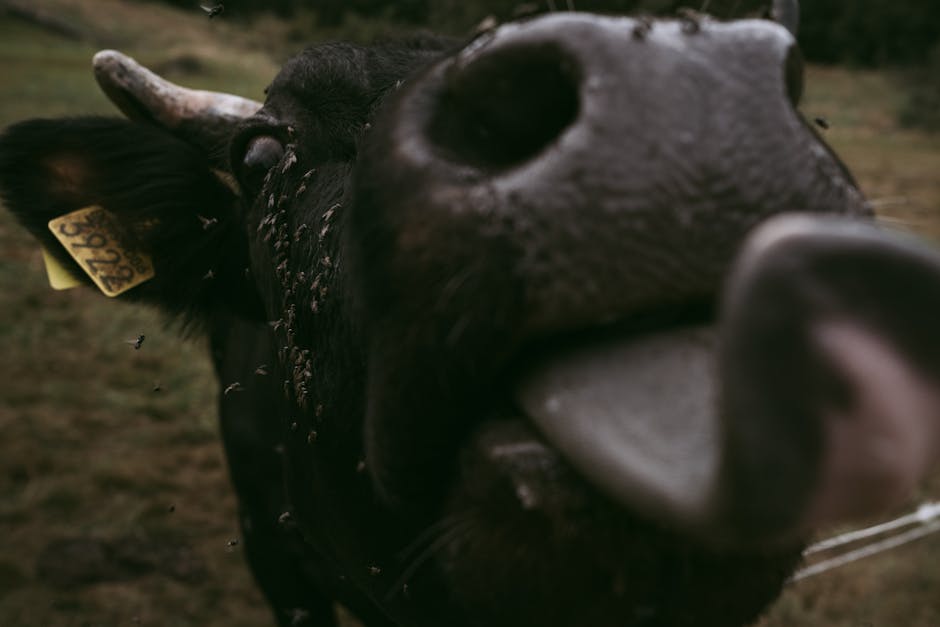
- New screwworm cases in Texas have raised concerns about the food supply, but the USDA assures it’s ‘not at risk.’
- The USDA plans to release sterile insects to control the screwworm population using a proven method dating back to the 1950s.
- The approach involves reducing the number of fertile insects to prevent the spread of the disease and manage the outbreak.
- Increased surveillance and monitoring will be implemented to prevent significant disruptions to the food supply.
- The USDA has a track record of successfully controlling screwworm populations using this method in the past.
The recent discovery of new screwworm cases in Texas has raised concerns about the potential impact on the food supply. However, according to USDA Secretary, the food supply is ‘not at risk.’ The secretary’s assurance comes as the USDA prepares to implement a proven method to control the screwworm population, which involves releasing sterile insects to suppress the pest’s population. This approach has been used successfully in the past, starting in the late 1950s, and is expected to mitigate the effects of the current outbreak. As the situation continues to unfold, it is essential to understand the measures being taken to protect the food supply and the potential consequences of inaction.
Understanding the Screwworm Outbreak

The screwworm outbreak in Texas is a significant concern for the agricultural industry, as it can have devastating effects on livestock and potentially impact the food supply. The screwworm, also known as Cochliomyia hominivorax, is a parasitic insect that can infest wounds in animals, causing significant damage and even death. The USDA’s decision to release sterile insects is a crucial step in controlling the population, as it will help to reduce the number of fertile insects and prevent the spread of the disease. This approach, combined with other measures such as increased surveillance and monitoring, is expected to effectively manage the outbreak and prevent any significant disruptions to the food supply.
Supporting Evidence and Expert Opinion

According to experts, the use of sterile insects to control the screwworm population is a well-established and effective method. The USDA has a long history of using this approach, which has been successful in eradicating the screwworm from the United States in the past. As noted by the USDA, the release of sterile insects is a key component of an integrated pest management strategy, which also includes the use of insecticides and other control measures. Additionally, the USDA is working closely with state and local authorities to monitor the situation and respond quickly to any new developments. This collaborative approach, combined with the use of proven control methods, provides strong evidence that the food supply is not at risk.
Counter-Perspectives and Potential Risks

While the USDA’s approach to controlling the screwworm population is well-established, there are some potential risks and counter-perspectives to consider. Some experts have raised concerns about the potential for the screwworm to develop resistance to the sterile insect method, which could reduce its effectiveness over time. Additionally, there may be unintended consequences of releasing large numbers of sterile insects into the environment, such as potential impacts on non-target species. However, these risks are considered to be relatively low, and the USDA is taking steps to mitigate them through careful planning and monitoring. As the situation continues to evolve, it will be essential to consider these potential risks and counter-perspectives to ensure that the response to the outbreak is effective and sustainable.
Real-World Impact and Consequences

The screwworm outbreak in Texas has significant real-world implications for the agricultural industry and the food supply. If left unchecked, the outbreak could have devastating effects on livestock, leading to significant economic losses and potentially even impacting the food supply. However, with the USDA’s swift response and the use of proven control methods, the risk of significant disruptions to the food supply is considered to be low. As noted by the Reuters, the USDA’s approach to controlling the outbreak is expected to minimize the economic impacts and prevent any significant disruptions to the food supply. This is good news for consumers, who can be confident that the food supply is safe and that the USDA is taking all necessary steps to protect it.
What This Means For You
The USDA’s assurance that the food supply is not at risk is welcome news for consumers, who can be confident that the measures being taken to control the screwworm outbreak are effective. As the situation continues to unfold, it will be essential to stay informed about any new developments and to follow the guidance of the USDA and other authoritative sources. By taking a proactive and informed approach, consumers can help to minimize the risks associated with the outbreak and ensure that the food supply remains safe and secure.
As the USDA continues to respond to the screwworm outbreak in Texas, it will be essential to consider the potential long-term implications of the outbreak and the measures being taken to control it. What will be the lasting impact of the outbreak on the agricultural industry, and how will it shape the USDA’s approach to pest management in the future? These are important questions that will require ongoing attention and analysis as the situation continues to evolve.
Source: CNBC