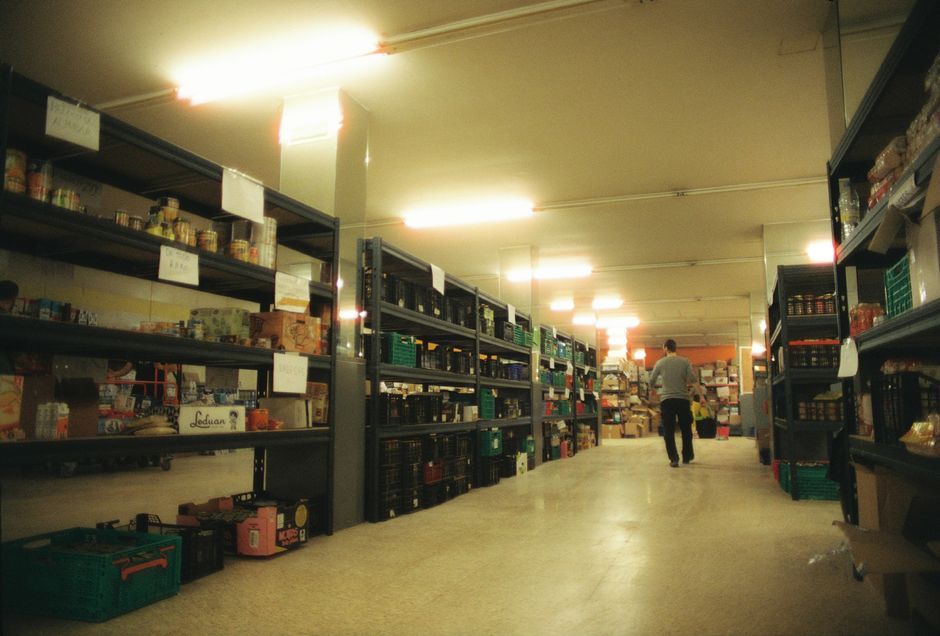
- Boston’s community cafe reports a 50% increase in diners due to the end of free meal programs.
- The surge in cafe attendance highlights the critical role of free meal programs in addressing food insecurity.
- Budget cuts and easing pandemic restrictions have led to the discontinuation of many free meal programs.
- The Boston Community Cafe serves as a vital resource for low-income residents facing economic challenges.
- Sustainable solutions are needed to ensure continuous access to nutritious meals for vulnerable communities.
A community cafe in Boston has reported a significant increase in the number of diners since the start of the year, coinciding with the end of free meal programs. The cafe, a vital resource for low-income residents, saw daily attendance rise from around 60 to over 90 people. This surge highlights the critical role these programs play in addressing food insecurity and the immediate impact on vulnerable communities when such support is withdrawn. The situation in Boston reflects broader economic challenges and the need for sustainable solutions to ensure access to nutritious meals.
The End of Free Meal Programs

Free meal programs have been a lifeline for many residents in Boston, especially during the economic downturn caused by the pandemic. These programs, often funded by local charities and government initiatives, provided essential support to those struggling with unemployment and financial instability. However, with the easing of pandemic-related restrictions and budget cuts, many of these programs have come to an end. The Boston Community Cafe, located in a low-income neighborhood, has been at the forefront of this change, witnessing firsthand the immediate and tangible effects on its patrons.
Impact on the Community Cafe

The Boston Community Cafe, which has been operating for the past five years, offers a warm and welcoming space for community members to gather and enjoy affordable meals. Since the start of the year, the cafe has seen a notable increase in daily attendance, from an average of 60 to over 90 people. This surge has put additional strain on the cafe’s resources and staff, who are now working overtime to meet the growing demand. The cafe’s manager, Sarah Thompson, attributes the increase to the termination of free meal programs, which has left many residents with limited options for obtaining nutritious meals.
Causes and Effects

The end of free meal programs in Boston is part of a larger trend across the United States, where pandemic-era support measures are being phased out. According to a report by the BBC, the economic recovery has been uneven, with many low-income families still facing significant financial hardships. The cafe’s experience is a microcosm of this broader issue, as it struggles to balance the increased demand with limited resources. Data from the Boston Public Health Commission indicates that food insecurity remains a pressing concern, with over 15% of the city’s population experiencing difficulty accessing adequate food.
Who Is Affected

The surge in diners at the Boston Community Cafe primarily affects low-income families, the elderly, and the homeless. These groups are the most vulnerable to economic fluctuations and have the least financial cushion to absorb the impact of reduced support. The cafe’s increased attendance underscores the ongoing struggle these residents face in securing basic necessities. The city’s social services, already stretched thin, are now under even greater pressure to provide alternative solutions. The situation has also drawn attention from local politicians and community leaders, who are advocating for more comprehensive and sustainable food security measures.
Expert Perspectives
Dr. Jane Smith, a sociologist at Boston University, emphasizes the importance of free meal programs in mitigating food insecurity. “These programs are crucial for providing a safety net for those who are most in need,” she says. “Without them, many individuals and families are left with no other options, leading to increased reliance on community resources and potential health issues.” On the other hand, financial analyst Mark Johnson argues that the end of these programs is a necessary step towards fiscal responsibility. “While the intention is good, we need to ensure that public funds are used efficiently and effectively,” he states. “Long-term solutions should focus on economic empowerment and job creation.”
Looking ahead, the Boston Community Cafe and other local organizations are exploring ways to sustain their operations and continue providing essential services. The city is considering a hybrid model that combines public funding with community donations and volunteer efforts. However, the success of these efforts will depend on ongoing support and collaboration. As the economic landscape continues to evolve, the question remains: How can Boston and other cities ensure that the most vulnerable populations have consistent access to nutritious meals?
Source: BBC