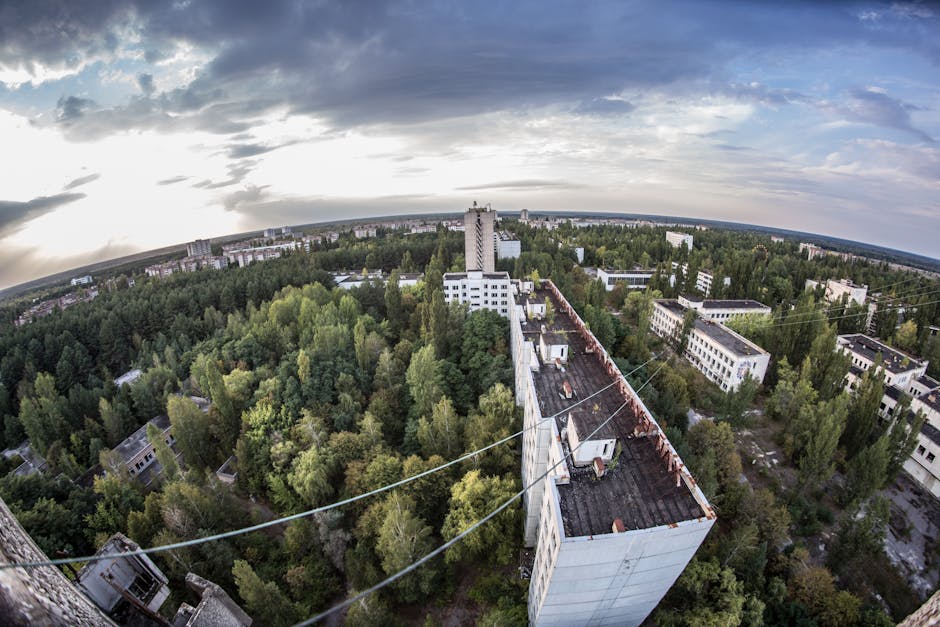
- A Russian drone struck a nuclear fuel site near Chernobyl, sparking concerns over nuclear safety and environmental damage.
- The Chernobyl nuclear power plant, site of the world’s worst nuclear disaster in 1986, still stores significant quantities of nuclear fuel.
- Radiation levels at the site remained within normal limits after the attack, but damage to the facility was reported.
- The incident is the latest escalation in the ongoing conflict between Russia and Ukraine since February 2022.
- The safety and security of the Chernobyl site remain a major concern, with both sides accusing each other of threats to the plant’s integrity.
A Russian drone has struck a nuclear fuel site near the Chernobyl nuclear power plant in Ukraine, according to the country’s state nuclear company, Energoatom. The incident, which occurred on March 8, has sparked concerns over nuclear safety and the potential for environmental damage. Radiation levels at the site remain “within normal limits”, Energoatom said, but the attack has raised fears of a potential nuclear disaster. The strike is the latest escalation in the conflict between Russia and Ukraine, which has been ongoing since February 2022.
Background and Context

The Chernobyl nuclear power plant, located in northern Ukraine, was the site of the world’s worst nuclear disaster in 1986. The plant was shut down after a catastrophic explosion and fire released large quantities of radioactive material into the environment. Although the plant is no longer operational, it still stores significant quantities of nuclear fuel, which poses a ongoing risk to the environment and public health. The conflict between Russia and Ukraine has raised concerns over the safety and security of the site, with both sides accusing each other of threatening the plant’s integrity.
The Incident and Response

According to Energoatom, the Russian drone struck the nuclear fuel site at around 2am local time on March 8. The company said that radiation levels at the site remained within normal limits, but that the attack had caused significant damage to the facility. Ukrainian authorities have condemned the attack, with President Volodymyr Zelensky describing it as a “provocation” and a “threat to international security”. The incident has also sparked condemnation from international organizations, including the International Atomic Energy Agency, which has called for an immediate investigation into the incident.
Analysis and Implications

The attack on the nuclear fuel site near Chernobyl has significant implications for the conflict between Russia and Ukraine, as well as for international nuclear safety and security. The incident highlights the risks of nuclear facilities being targeted in conflict zones, and the need for urgent action to prevent such incidents in the future. Experts have warned that a major nuclear disaster could have catastrophic consequences for the environment and public health, and that the international community must take immediate action to prevent such an outcome. The United Nations has called for a ceasefire in the conflict and for international cooperation to prevent the targeting of nuclear facilities.
Humanitarian and Environmental Implications

The attack on the nuclear fuel site near Chernobyl has significant humanitarian and environmental implications. The incident has raised concerns over the potential for radioactive material to be released into the environment, which could have serious consequences for public health and the environment. The incident has also sparked fears of a potential nuclear disaster, which could have catastrophic consequences for the region and beyond. The international community must take urgent action to prevent such an outcome, and to ensure that nuclear facilities are protected from targeting in conflict zones.
Expert Perspectives
Experts have warned that the attack on the nuclear fuel site near Chernobyl is a “wake-up call” for the international community, and that urgent action is needed to prevent such incidents in the future. “The targeting of nuclear facilities in conflict zones is a serious concern, and the international community must take immediate action to prevent such incidents”, said a spokesperson for the Greenpeace environmental organization. “The consequences of a major nuclear disaster would be catastrophic, and it is the responsibility of the international community to prevent such an outcome”.
As the conflict between Russia and Ukraine continues to escalate, the international community must remain vigilant and take urgent action to prevent the targeting of nuclear facilities. The incident near Chernobyl is a stark reminder of the risks of nuclear conflict, and the need for immediate action to prevent such an outcome. As the situation continues to unfold, it is essential that the international community remains focused on finding a peaceful resolution to the conflict, and on preventing the targeting of nuclear facilities.
Source: Financial Times