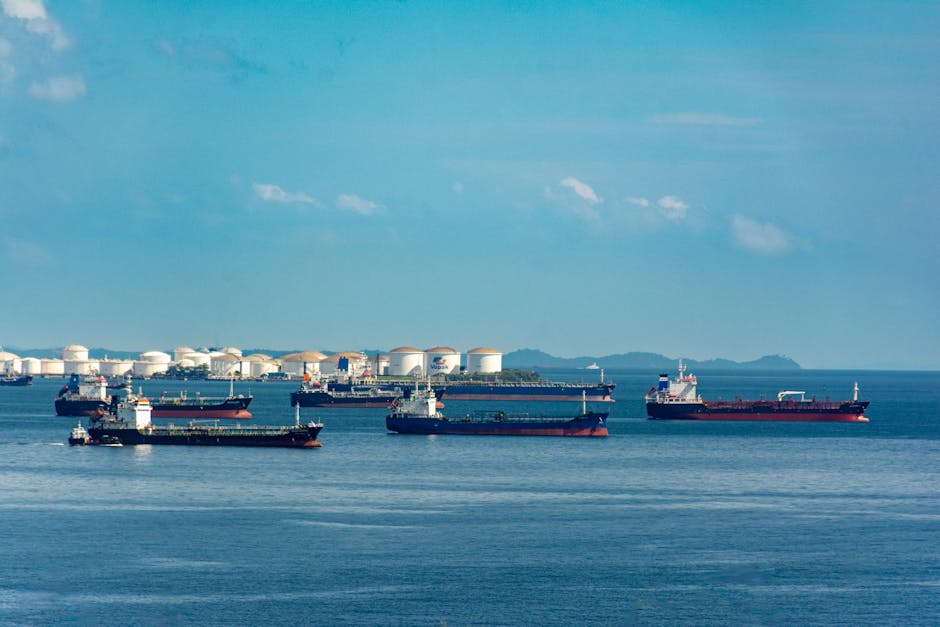
- Iran launched a drone attack targeting the Strait of Hormuz, a critical waterway for global oil shipments.
- The US military successfully intercepted and shot down at least four of the drones launched by Iran.
- This incident significantly escalates tensions between the United States and Iran, jeopardizing a delicate cease-fire.
- The Strait of Hormuz’s strategic importance makes it a frequent flashpoint in the ongoing US-Iran conflict.
- International observers are closely watching the situation, concerned about potential disruptions to global oil supplies.
The United States and Iran are on high alert after Iran fired drones toward the Strait of Hormuz, with the US military shooting down at least 4, according to official reports. This latest escalation threatens a fragile cease-fire and risks further stoking tensions in the region, where global oil supplies and shipping lanes are at stake. The incident occurred on June 5, 2026, and is being closely monitored by international observers.
Current Tensions in the Region

The Strait of Hormuz, a vital waterway connecting the Persian Gulf to the Arabian Sea, has been a flashpoint in the longstanding conflict between the US and Iran. The US military has been patrolling the area to ensure the free flow of oil and protect American interests. The drone attack is the latest in a series of incidents that have raised tensions between the two nations, including previous confrontations in the region. The US has accused Iran of destabilizing the region, while Iran claims it is defending its sovereignty.
A History of Conflict

The US-Iran conflict has its roots in the 1979 Iranian Revolution, which led to the overthrow of the US-backed Shah and the establishment of an Islamic republic. Since then, the two nations have been at odds over a range of issues, including Iran’s nuclear program, its support for militant groups, and its human rights record. The conflict has escalated in recent years, with the US withdrawing from the Joint Comprehensive Plan of Action (JCPOA) and reimposing sanctions on Iran. Iran has responded by increasing its military activities in the region and supporting proxy forces in countries such as Iraq and Syria.
Key Players and Motivations

The conflict between the US and Iran involves a complex array of players, including government officials, military leaders, and militant groups. The US is motivated by a desire to protect its interests in the region, including its oil supplies and its allies, such as Israel and Saudi Arabia. Iran, on the other hand, is driven by a desire to assert its independence and defend its sovereignty in the face of what it sees as US aggression. The Iranian government is also under pressure from hardline elements within the country, which are pushing for a more confrontational approach towards the US.
Consequences and Implications

The drone attack on the Strait of Hormuz has significant implications for the region and the world. The incident risks disrupting global oil supplies and driving up prices, which could have a major impact on the global economy. It also raises concerns about the potential for further escalation, including the possibility of a wider conflict between the US and Iran. The incident has been condemned by international observers, who are calling for restraint and diplomacy to resolve the conflict.
The Bigger Picture
The US-Iran conflict is part of a larger struggle for influence in the Middle East, where a range of regional and global powers are vying for dominance. The conflict has significant implications for global security, including the potential for terrorism, proliferation, and instability. It also highlights the need for diplomatic efforts to resolve the conflict and promote regional stability. As the situation continues to unfold, it is clear that the US and Iran are at a critical juncture, and the choices they make will have far-reaching consequences for the region and the world.
The coming days and weeks will be crucial in determining the trajectory of the conflict. The US and Iran must engage in diplomatic efforts to resolve their differences and promote regional stability. The international community must also play a role in promoting peace and stability in the region, including through support for diplomatic efforts and economic development. As the situation continues to evolve, one thing is clear: the US-Iran conflict is a major challenge that requires a sustained and collective effort to resolve.
Source: The New York Times