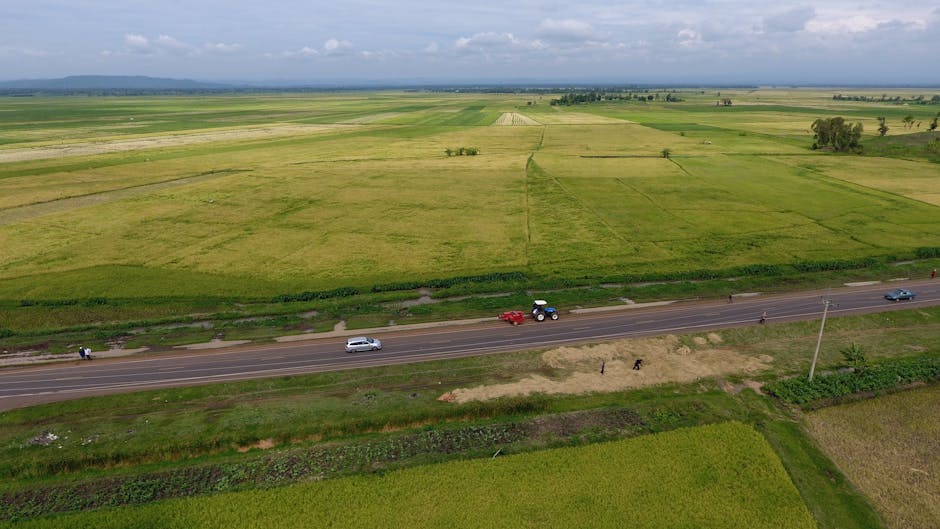
- Kenyan graduates are embracing AI farming due to limited formal job opportunities, creating new livelihoods.
- AI tools provide young farmers access to vital information like soil health, weather, and market trends.
- This technology-driven agriculture combines traditional methods with mobile apps and digital solutions.
- AI farming improves crop yields, reduces environmental impact, and strengthens Kenya’s food security.
- Government investment in digital infrastructure is expected to further boost AI’s role in Kenyan agriculture.
Kenyan graduates are increasingly turning to artificial intelligence (AI) tools to enhance their farming practices, as the country struggles with a shortage of formal job opportunities. This shift towards technology-driven agriculture has enabled young farmers to build sustainable livelihoods, combining traditional methods with mobile apps and other digital solutions. The rise of AI in farming has significant implications for Kenya’s economy and food security, making it an important development to watch.
The Rise of Digital Farming in Kenya

The adoption of AI tools in farming is a relatively new phenomenon in Kenya, but it has already started to gain traction. With the help of mobile apps, young farmers can now access critical information on soil health, weather patterns, and market trends, enabling them to make data-driven decisions. This approach has not only improved crop yields but also reduced the environmental impact of farming practices. As the Kenyan government continues to invest in digital infrastructure, the potential for AI-powered farming to drive economic growth and reduce poverty is substantial.
Key Players and Initiatives

Several organizations and startups are playing a crucial role in promoting the use of AI tools in Kenyan farming. For instance, the Aljazeera report highlights the work of a local startup that has developed a mobile app to provide farmers with real-time information on soil moisture levels and fertilizer application. Similarly, the Kenyan government has launched initiatives to support young farmers in adopting digital technologies, including training programs and access to funding. These efforts have helped to create a vibrant ecosystem for AI-powered farming in Kenya.
Analysis and Insights

The growth of AI-powered farming in Kenya is driven by a combination of factors, including the need for sustainable livelihoods, the availability of digital technologies, and the government’s support for innovation. According to experts, the use of AI tools in farming can increase crop yields by up to 20% and reduce water consumption by up to 30%. Moreover, the adoption of digital technologies can help farmers to access new markets and improve their bargaining power. As the Kenyan economy continues to evolve, the role of AI in farming is likely to become increasingly important.
Implications and Impact

The impact of AI-powered farming in Kenya is far-reaching, with significant implications for the country’s economy, food security, and environment. By adopting digital technologies, young farmers can improve their productivity, reduce their environmental footprint, and increase their incomes. Moreover, the growth of AI-powered farming can help to address the challenge of youth unemployment in Kenya, which is currently estimated to be around 35%. As the sector continues to evolve, it is likely to attract more investment, create new job opportunities, and contribute to the country’s economic growth.
Expert Perspectives
Experts in the field of agriculture and technology believe that the adoption of AI tools in farming is a game-changer for Kenya’s economy. According to Dr. Moses Siambi, a specialist in digital agriculture, “the use of AI tools in farming can help to improve crop yields, reduce post-harvest losses, and increase farmers’ incomes.” However, others have raised concerns about the potential risks associated with the adoption of digital technologies, including the displacement of traditional farming practices and the exacerbation of existing social inequalities. As the debate continues, it is clear that the role of AI in farming will be a critical issue to watch in the coming years.
Looking ahead, the future of AI-powered farming in Kenya is uncertain, but it is likely to be shaped by a combination of factors, including government policies, technological innovations, and market trends. As the sector continues to evolve, it is essential to address the challenges associated with the adoption of digital technologies, including the need for infrastructure development, skills training, and access to funding. By doing so, Kenya can unlock the full potential of AI-powered farming and create a more sustainable and prosperous future for its young farmers.
Source: Al Jazeera