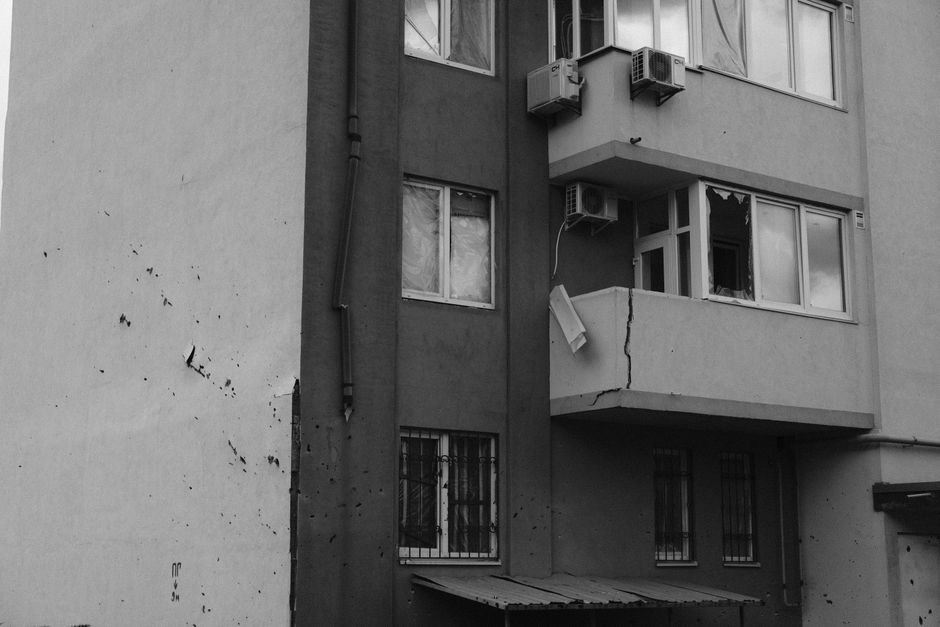
- A Palestinian groom, Muhannad Farwana, was killed in an Israeli air strike in Gaza just hours before his wedding, sparking widespread outrage.
- The incident has raised concerns over the escalating violence in Gaza and its potential impact on regional stability.
- The Israeli government has stated its military operations in Gaza are aimed at targeting Palestinian militants and preventing rocket attacks.
- Palestinian leaders have accused Israel of using disproportionate force and targeting civilians.
- The international community, including the United Nations, has called for a peaceful resolution to the conflict in Gaza.
Muhannad Farwana, a young Palestinian groom, was killed in an Israeli air strike in Gaza just hours before his wedding, sparking widespread condemnation and outrage. The incident occurred in the midst of heightened tensions between Israel and Palestinian militants in the region. Farwana’s tragic death has raised concerns over the escalating violence in Gaza and its potential impact on regional stability.
Evidence of Escalating Violence

According to reports from Al Jazeera, the Israeli air strike that killed Farwana was part of a broader military operation in Gaza. The incident has been widely condemned by human rights groups and international organizations, who have called for an immediate end to the violence. Data from the World Health Organization shows that the conflict in Gaza has resulted in significant civilian casualties, including women and children.
Key Players and Their Roles

The Israeli government has stated that its military operations in Gaza are aimed at targeting Palestinian militants and preventing rocket attacks on Israeli cities. However, Palestinian leaders have accused Israel of using disproportionate force and targeting civilians. The international community, including the United Nations, has called for a peaceful resolution to the conflict and an end to the violence. Recent moves by the Israeli government, including the expansion of settlements in the West Bank, have been widely criticized by the international community.
Trade-Offs and Consequences

The conflict in Gaza has significant human and economic costs, including the loss of life, displacement of civilians, and destruction of infrastructure. The violence has also had a profound impact on the mental health and well-being of civilians, particularly children. While the Israeli government has stated that its military operations are necessary for security, critics argue that the use of force has only exacerbated the situation and created more instability. The benefits of a peaceful resolution, including improved economic cooperation and regional stability, are clear, but the risks of continued violence are significant.
Timing and Escalation

The killing of Muhannad Farwana has come at a time of heightened tensions between Israel and Palestinian militants. The incident has sparked widespread outrage and protests in Gaza and beyond, with many calling for an end to the violence and a peaceful resolution to the conflict. The timing of the incident, just hours before Farwana’s wedding, has added to the sense of tragedy and loss, and has raised questions about the disproportionate use of force by the Israeli military.
Where We Go From Here
Over the next 6-12 months, there are several possible scenarios for the conflict in Gaza. One scenario is a continued escalation of violence, resulting in further civilian casualties and displacement. Another scenario is a negotiated ceasefire, which could lead to a reduction in violence and improved economic cooperation. A third scenario is a significant shift in the international community’s approach to the conflict, including increased pressure on Israel to end its occupation of the West Bank and Gaza. Ultimately, the path forward will depend on the actions of key players, including the Israeli government, Palestinian leaders, and the international community.
In conclusion, the killing of Muhannad Farwana is a tragic reminder of the human cost of the conflict in Gaza, and the need for a peaceful resolution to the violence. As the international community continues to grapple with the complexities of the conflict, it is clear that a negotiated ceasefire and an end to the occupation are essential for achieving regional stability and promoting human rights.
Source: Al Jazeera