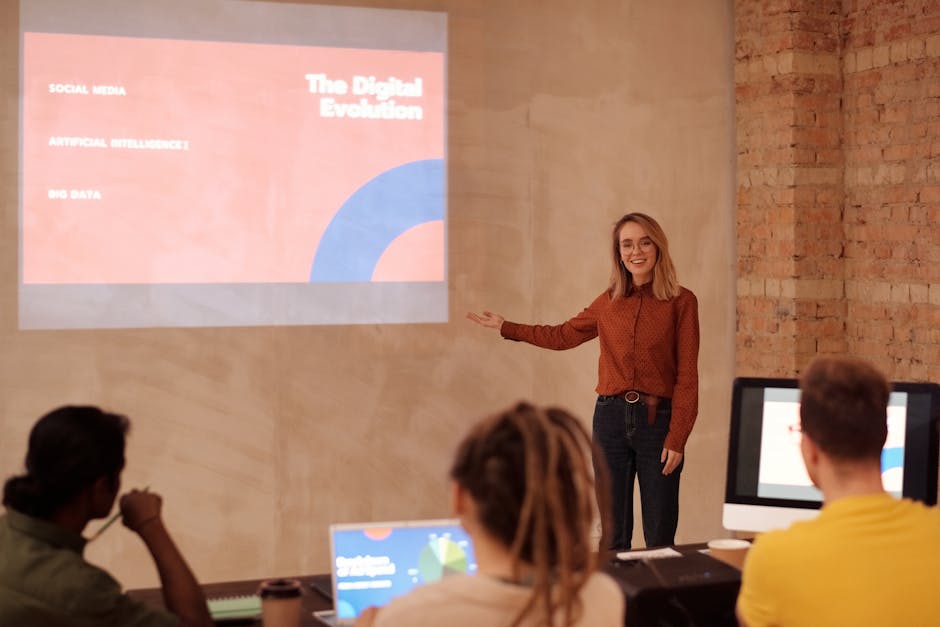
- AI is no longer just a tool for human innovation, but a partner in creative tasks that can learn from human strengths and weaknesses.
- The shift in AI capabilities allows for more immersive and dynamic interactions, blurring the lines between man and machine in collaboration.
- AI-powered tools can enhance human creativity, particularly in tasks that require repetitive or tedious work, such as art and writing.
- AI-assisted tools are being used by authors and journalists to improve writing efficiency and quality, revolutionizing the creative process.
- The future of collaboration is being redefined as AI begins to share browser space with humans, enabling new forms of innovation.
The question on everyone’s mind is: can AI truly be creative, or is it just a tool for human innovation? Recently, a shift in AI capabilities has sparked a new debate, one that moves beyond the traditional AI vs creativity argument. As AI begins to share browser space with humans, the lines between man and machine are blurring, and the future of collaboration is being redefined.
What’s Changing in AI Collaboration?

The interesting shift is when AI stops sitting in a chat box and starts sharing the browser with you. This means that AI is no longer limited to simple text-based interactions but can now interact with users in a more immersive and dynamic way. According to experts, this shift has the potential to revolutionize the way we approach creative tasks, from art and design to writing and music. By working alongside humans, AI can learn from their strengths and weaknesses, leading to more innovative and effective collaborations.
Evidence from the Field

Studies have shown that AI-powered tools can significantly enhance human creativity, particularly in tasks that require repetitive or tedious work. For example, AI-generated art has been gaining popularity, with some pieces selling for thousands of dollars at auction. Moreover, AI-assisted writing tools are being used by authors and journalists to improve their writing efficiency and quality. As noted by the New York Times, the use of AI in creative fields is becoming increasingly widespread, with many experts predicting that it will become an essential tool for artists and writers in the near future.
Counter-Perspectives and Concerns

Despite the potential benefits of AI collaboration, some skeptics argue that it could lead to a loss of human touch and creativity. They claim that over-reliance on AI could result in homogenized and unoriginal work, as machines lack the emotional depth and personal experience that humans bring to creative projects. Additionally, there are concerns about the potential for AI to displace human workers, particularly in industries where creative tasks are prevalent. However, proponents of AI collaboration argue that these concerns are overstated and that AI is simply a tool that can be used to augment human capabilities, rather than replace them.
Real-World Impact and Examples

The impact of AI collaboration can be seen in various industries, from entertainment to education. For instance, AI-generated music is being used in film and video game soundtracks, while AI-assisted learning tools are helping students to improve their academic performance. Moreover, AI-powered design tools are being used by architects and engineers to create more sustainable and efficient buildings. As reported by Reuters, the use of AI in creative fields is not only improving productivity but also leading to new and innovative products and services.
What This Means For You
So, what does the rise of AI collaboration mean for you? In practical terms, it means that you can expect to see more AI-powered tools and platforms emerging in the near future, designed to help you work more efficiently and effectively. Whether you’re an artist, writer, or musician, AI can help you to unlock new levels of creativity and productivity. However, it’s essential to remember that AI is simply a tool, and it’s up to humans to use it in a way that complements and enhances our unique strengths and abilities.
As we move forward into an era of increased AI collaboration, the question remains: what are the limits of AI creativity, and how can we ensure that we’re using these tools in a way that benefits society as a whole? As we explore the possibilities and challenges of AI collaboration, one thing is clear: the future of creativity is being rewritten, and it’s up to us to define what that future looks like.
Source: Reddit