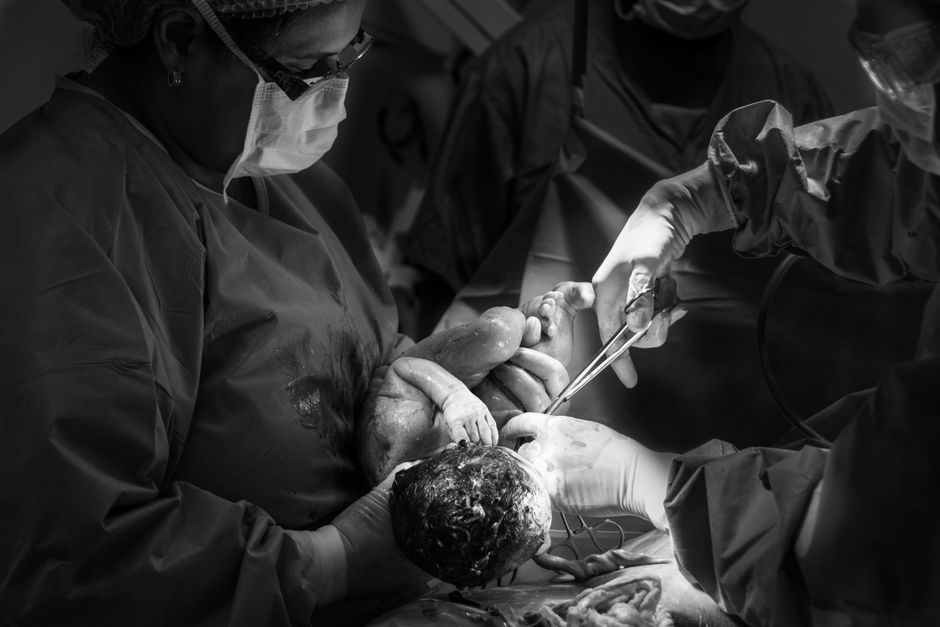
- A BBC analysis reveals that 25% of births in England are now emergency C-sections, a notable increase in recent years.
- The rise in emergency C-sections is raising concerns among healthcare professionals regarding potential risks and maternal complications.
- Data indicates that most emergency C-sections are occurring due to complications that arise during the labor process.
- The NHS is experiencing a rising overall C-section rate, contributing to worries about the overuse of surgical interventions.
- This trend has significant implications for the health and well-being of new mothers throughout England’s healthcare system.
A quarter of all babies in England are now delivered by emergency caesarean operations, marking a significant rise over the last five years, according to a BBC analysis of NHS data. This trend has sparked concern among healthcare professionals and experts, who point to the potential risks and complications associated with emergency C-sections. The increase in emergency procedures has significant implications for maternal health and the overall well-being of new mothers in England.
Evidence of Rising Emergency C-sections

Hard data from the NHS reveals a steady increase in emergency C-sections over the past five years, with the current rate standing at 1 in 4 births. This represents a substantial rise from previous years, with primary sources indicating that the majority of these emergency procedures are being performed due to complications during labor. According to the NHS website, the overall C-section rate in England has also increased, contributing to a growing concern about the potential over-reliance on surgical interventions in childbirth.
Key Players and Their Roles

The National Health Service (NHS) plays a crucial role in providing maternal healthcare services in England, including C-sections. Recent moves by the NHS to improve maternity care, such as increasing funding for obstetric units and enhancing staff training, aim to address the rising demand for emergency C-sections. Meanwhile, organizations like the Royal College of Obstetricians and Gynaecologists (RCOG) are working to promote awareness about the risks and benefits associated with C-sections, emphasizing the need for expectant mothers to make informed decisions about their care.
Trade-offs and Implications

The rise in emergency C-sections in England is not without its costs and benefits. On one hand, emergency C-sections can be life-saving in situations where complications arise during labor. On the other hand, the procedure carries risks, such as infection, blood loss, and potential long-term health consequences for both mother and baby. As the NHS continues to grapple with the increasing demand for emergency C-sections, it must weigh the benefits of surgical interventions against the potential risks and opportunities for improving maternal health outcomes through alternative approaches.
Timing and Recent Developments

The significant rise in emergency C-sections in England over the last five years can be attributed to a combination of factors, including changes in population demographics, increases in obesity rates, and advancements in medical technology. The COVID-19 pandemic has also played a role, as it has put additional pressure on the NHS and its resources. As the healthcare system continues to evolve and respond to these challenges, it is essential to consider the timing and potential consequences of the rising emergency C-section rate, including the need for targeted interventions and support for expectant mothers.
Where We Go From Here
Looking ahead to the next 6-12 months, three possible scenarios emerge for addressing the rise in emergency C-sections in England. Firstly, the NHS could prioritize investments in preventive care and education, aiming to reduce the number of complications during labor. Secondly, the healthcare system might focus on enhancing its capacity to perform emergency C-sections, ensuring that all obstetric units are adequately equipped and staffed. Lastly, there could be a shift towards promoting alternative approaches to childbirth, such as midwife-led care and birth centers, which have been shown to reduce the need for surgical interventions. Ultimately, the path forward will depend on a nuanced understanding of the complex factors driving the rise in emergency C-sections.
In conclusion, the rising rate of emergency C-sections in England serves as a pressing reminder of the need for a multifaceted approach to improving maternal health outcomes, one that balances the benefits of medical interventions with the potential risks and opportunities for alternative approaches, and prioritizes the well-being and safety of expectant mothers and their babies.
Source: BBC