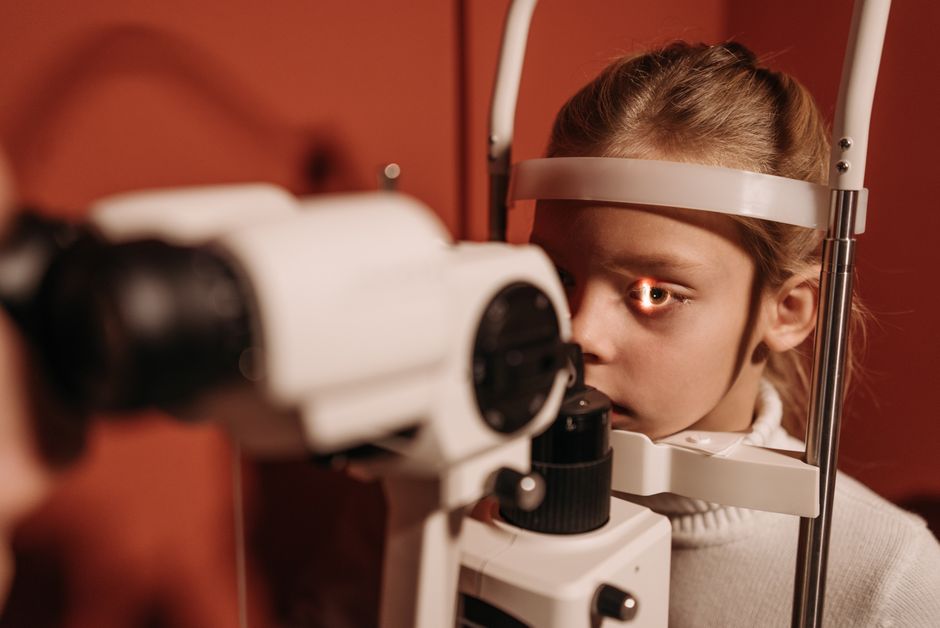
- New AI tools can help eye doctors diagnose retinal disease faster and more accurately by streamlining the review process.
- AI-powered analysis of eye scans reduces the time and effort required for physicians to review images manually.
- The use of AI in eye care minimizes the risk of human error, improving the speed of diagnosis and patient outcomes.
- AI tools enable eye doctors to focus on interpreting results and developing effective treatment plans.
- The integration of AI in eye care is driven by rapid progress and innovation in the field.
Researchers have developed new AI tools that could help eye doctors diagnose retinal disease faster and more accurately. Non-invasive eye scans, which produce detailed views of individual layers of the eye’s interior, are used routinely in clinics worldwide to help diagnose conditions that threaten vision. However, the sheer volume of data produced by these scans – hundreds of images per scan – can be overwhelming for physicians to review manually, leaving room for human error. The new AI tools aim to streamline this process, enabling doctors to diagnose retinal disease more efficiently and effectively.
Current Advances in AI-Powered Diagnosis

The current situation is that AI-powered analysis of eye scans is becoming increasingly sophisticated, allowing for faster and more accurate diagnosis of retinal disease. The AI tools are designed to analyze the vast amounts of data produced by non-invasive eye scans, reducing the time and effort required for physicians to review the images manually. This not only improves the speed of diagnosis but also minimizes the risk of human error, which can have serious consequences for patients. With the help of AI, eye doctors can now focus on interpreting the results and developing effective treatment plans, rather than spending hours reviewing images.
The Story Behind AI in Eye Care

The story behind the development of AI tools in eye care is one of rapid progress and innovation. In recent years, there has been a significant increase in the use of non-invasive eye scans, which has led to a massive amount of data being generated. However, the lack of efficient analysis tools has hindered the ability of physicians to fully utilize this data, leading to delays in diagnosis and treatment. The development of AI-powered analysis tools has addressed this issue, enabling doctors to quickly and accurately analyze the data and make informed decisions about patient care. This has been made possible by advances in machine learning algorithms and the increasing availability of large datasets of eye scans.
Key Players in AI-Powered Eye Care

The key players in the development of AI-powered eye care are researchers and clinicians who are working together to develop and refine the AI tools. These individuals are motivated by a desire to improve patient outcomes and reduce the burden of retinal disease. They are driven by the potential of AI to revolutionize the field of eye care, enabling doctors to diagnose and treat conditions more effectively. The collaboration between researchers and clinicians is critical to the success of AI-powered eye care, as it ensures that the tools are developed with the needs of patients and physicians in mind.
Consequences of AI-Powered Diagnosis

The consequences of AI-powered diagnosis are far-reaching and have the potential to transform the field of eye care. With the ability to diagnose retinal disease more quickly and accurately, doctors can develop more effective treatment plans, improving patient outcomes and reducing the risk of vision loss. Additionally, AI-powered diagnosis can help to reduce healthcare costs by minimizing the need for repeated scans and tests. This can also lead to a reduction in the administrative burden on healthcare systems, allowing resources to be allocated more efficiently. Overall, the consequences of AI-powered diagnosis are overwhelmingly positive, with the potential to improve the lives of millions of people worldwide.
The Bigger Picture
The development of AI-powered diagnosis tools is part of a broader trend towards the use of artificial intelligence in healthcare. As AI technology continues to evolve, we can expect to see its application in an increasingly wide range of medical fields, from disease diagnosis to personalized medicine. The potential of AI to improve healthcare outcomes is vast, and its impact will be felt for generations to come. As we look to the future, it is clear that AI will play an increasingly important role in shaping the healthcare landscape.
In conclusion, the development of AI-powered diagnosis tools for retinal disease is a significant breakthrough that has the potential to transform the field of eye care. As these tools become more widely available, we can expect to see improvements in patient outcomes, reductions in healthcare costs, and a shift towards more personalized and effective treatment plans. As we move forward, it will be important to continue monitoring the development of AI-powered diagnosis tools and to ensure that they are used in a way that prioritizes patient care and improves healthcare outcomes. For more information on the latest developments in AI-powered eye care, visit WHO or Nature websites.
Source: MedicalXpress