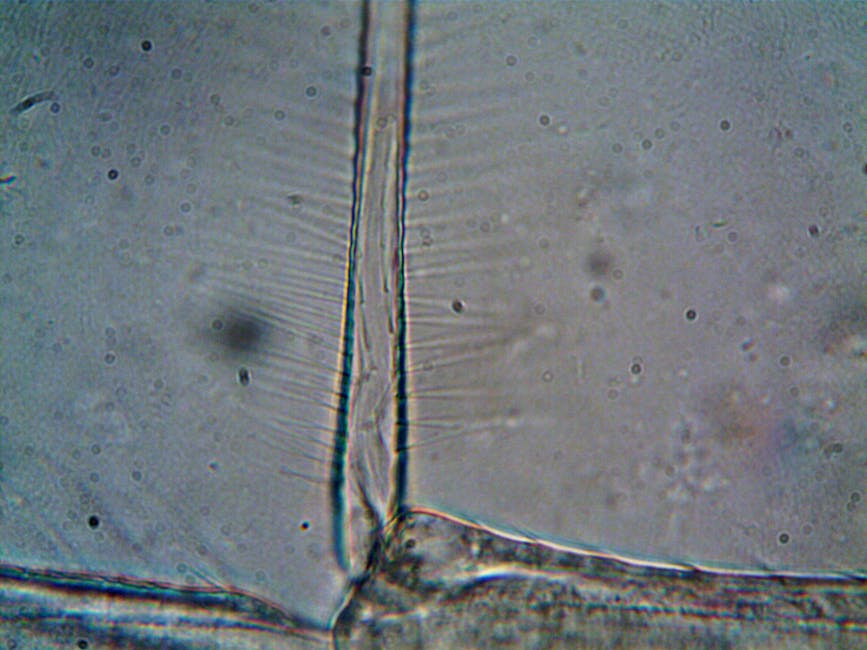
- The nanostructure of tooth enamel reveals significant information about human dietary shifts throughout evolution.
- Changes in diet directly impact the development of tooth enamel, resulting in distinct nanostructural arrangements.
- Researchers have analyzed the tooth enamel of primates, hominins, and modern humans to gain insights into their dietary habits.
- The study of tooth enamel has provided new light on the dietary habits of ancient humans and other primates.
- The findings suggest that the dietary shifts that occurred as humans evolved have significant implications for our understanding of human history.
What can the nanostructure of tooth enamel tell us about the evolution of human diet? Researchers have found that the arrangement of mineral nanocrystals in the tooth enamel of primates, hominins, and modern humans altered as the diet of these species changed, shedding new light on the dietary shifts that occurred as humans evolved. This discovery has significant implications for our understanding of human history and the development of our species.
Uncovering the Secrets of Tooth Enamel

The study of tooth enamel has long been a fascinating area of research, with scientists seeking to understand the complex structures that make up this hard, outer layer of the tooth. By analyzing the nanostructure of tooth enamel, researchers have been able to gain insights into the dietary habits of ancient humans and other primates. The findings suggest that changes in diet had a direct impact on the development of tooth enamel, with different diets resulting in distinct nanostructural arrangements.
Evidence from Fossil Records

The fossil record provides a wealth of information about the evolution of human diet, and the study of tooth enamel is no exception. By examining the tooth enamel of fossils from different time periods, researchers have been able to track changes in diet over time. For example, the tooth enamel of early humans who ate a diet rich in plants and fruits has a distinct nanostructure compared to that of later humans who ate a more meat-based diet. This evidence is supported by studies published in Nature, which highlight the importance of tooth enamel in understanding human evolution.
Counter-Perspectives and Limitations

While the study of tooth enamel has provided significant insights into human diet and evolution, there are also limitations and counter-perspectives to consider. Some researchers have suggested that the nanostructure of tooth enamel may be influenced by factors other than diet, such as environmental conditions or genetic predisposition. Additionally, the fossil record is not always complete, and there may be gaps in our understanding of human evolution. However, the majority of evidence suggests that diet played a significant role in shaping the nanostructure of tooth enamel, and further research is needed to fully understand the complexities of this relationship.
Real-World Impact

The discovery that tooth enamel nanostructure changes with human diet has significant implications for our understanding of human history and the development of our species. By studying the nanostructure of tooth enamel, researchers can gain insights into the dietary habits of ancient humans and track changes in diet over time. This information can be used to inform our understanding of human evolution, and to better understand the complex relationships between diet, environment, and human health. For example, the study of tooth enamel can provide clues about the spread of diseases and the impact of environmental factors on human health, as highlighted by the World Health Organization.
What This Means For You
So what does this discovery mean for the average person? In practical terms, the study of tooth enamel nanostructure highlights the importance of diet in shaping our health and well-being. By understanding how diet has influenced the development of our species, we can gain insights into the best ways to maintain a healthy diet and lifestyle. Additionally, the study of tooth enamel can provide clues about the spread of diseases and the impact of environmental factors on human health, allowing us to take steps to mitigate these risks.
As researchers continue to study the nanostructure of tooth enamel, what other secrets will they uncover about human evolution and diet? Will the study of tooth enamel provide new insights into the development of diseases, or shed light on the complex relationships between diet, environment, and human health? The answers to these questions will have significant implications for our understanding of human history and the development of our species, and will likely lead to new discoveries and a deeper understanding of the complex relationships between diet, environment, and human health.
Source: Nature