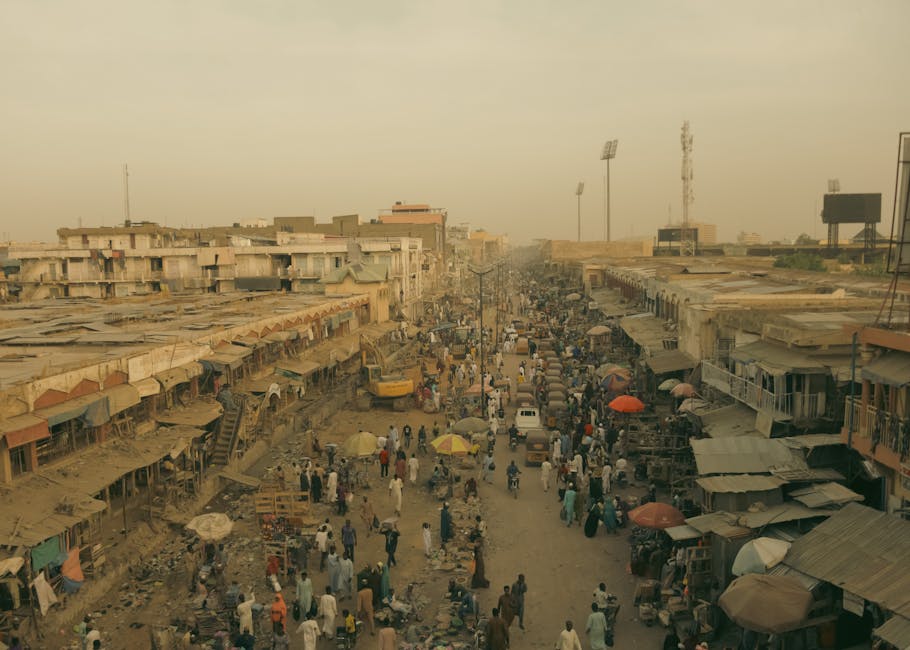
- Violence erupts in Mogadishu, Somalia’s capital, as government troops clash with opposition-allied militias over President Mohamed’s term extension.
- The opposition strongly opposes President Mohamed’s decision to remain in office beyond his term, sparking widespread criticism.
- Somalia’s clan-based politics and militia groups complicate the conflict, prioritizing local allegiances over national interests.
- The clashes have damaged property and forced civilians to flee, casting a shadow over the city ahead of planned protests.
- The situation threatens Somalia’s fragile democratic progress and international support for the country’s stability.
Somali government troops and opposition-allied militias have engaged in fierce clashes in Mogadishu, the country’s capital, as tensions escalate over President Mohamed Abdullahi Mohamed’s decision to remain in office beyond his term’s expiration. The violence, which began on Wednesday afternoon, has damaged property and forced some civilians to flee, casting a shadow over the city ahead of planned protests on Thursday.
Background to the Conflict

The current turmoil in Somalia stems from a deep-seated political crisis, with the opposition vehemently opposing the president’s move to extend his term. This decision has been met with widespread criticism, both domestically and internationally, with many viewing it as a threat to the fragile democratic progress made by the country. The situation is further complicated by the clan-based nature of Somali politics, where allegiances often supersede national interests, leading to the formation of militia groups allied with various opposition leaders.
Key Developments in the Crisis

The clashes in Mogadishu are a culmination of escalating tensions, with opposition leaders and their allied militias setting up positions in their clan strongholds within the city. The government, seeking to maintain control and order, has responded with force, leading to the exchange of fire between the two sides. The involvement of militias allied with the opposition adds a complex layer to the conflict, as these groups often have their own agendas and may not always align perfectly with the political opposition’s goals.
Analysis of the Situation

The ongoing violence in Mogadishu highlights the precarious security situation in Somalia, a country that has struggled with instability and terrorism for decades. The situation on the ground is fluid, with both sides suffering casualties and civilians bearing the brunt of the conflict. Experts warn that the prolonged political instability could undermine recent gains in the fight against terrorism and hinder economic development, pushing the country further into chaos.
Implications of the Conflict

The implications of the current conflict in Somalia are far-reaching, affecting not only the local population but also the regional and international community. The displacement of civilians and the destruction of property will exacerbate the humanitarian challenges facing the country, which is already grappling with the consequences of climate change, poverty, and past conflicts. Furthermore, the instability could attract the attention of extremist groups, seeking to exploit the chaos for their own gain, thereby threatening regional security.
Expert Perspectives
Analysts and experts on Somali affairs offer contrasting viewpoints on the current situation, with some arguing that the international community should intervene more decisively to support the democratic process in Somalia, while others believe that any external interference could exacerbate the situation, given the sensitive nature of clan politics in the country. Reports from the BBC suggest a nuanced approach is necessary, considering both the political and military dimensions of the crisis.
Looking forward, the key question is how the situation in Mogadishu will unfold, especially in the aftermath of the planned protests. The ability of the government and the opposition to find a peaceful resolution to the crisis will be crucial in determining the future of Somalia, a country that has seen more than its share of strife and instability. As the international community watches with bated breath, the hope is that Somali leaders will prioritize the interests of their nation and its people, seeking a path that leads to peace, stability, and prosperity.
Source: The Guardian