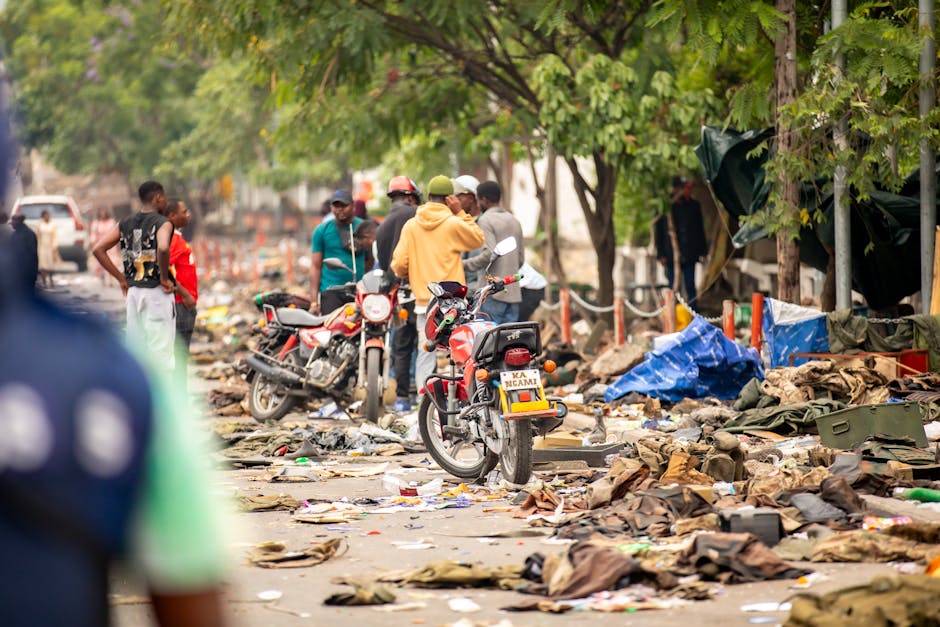
- Clashes between rival groups in Mogadishu have resulted in at least 8 deaths and dozens of injuries, highlighting the nation’s ongoing instability.
- The violence in Somalia’s capital has significant implications for the region and the international community, raising concerns about extremism and humanitarian crises.
- The Somali government has deployed security forces to restore order, but the situation remains volatile with many civilians displaced.
- Heavily armed militias and heavy weaponry have been involved in the clashes, resulting in significant damage to infrastructure and property.
- The international community, including the United Nations and African Union, has called for calm and restraint, urging peaceful resolution of the conflict.
Somalia’s capital, Mogadishu, has been rocked by intense gunfire and clashes between armed groups loyal to rival politicians, resulting in at least 8 deaths and dozens of injuries on Thursday. The violence, described by residents as the worst in years, has raised concerns about the stability of the Horn of Africa nation. The fighting has significant implications for the region and the international community, as Somalia continues to grapple with extremism, political instability, and humanitarian crises.
Current Situation in Mogadishu

The current situation in Mogadishu is characterized by heightened tensions and uncertainty. The clashes between rival groups have led to the displacement of civilians, with many seeking shelter in safer areas. The Somali government has deployed security forces to restore order, but the situation remains volatile. Key facts about the conflict include the involvement of heavily armed militias and the use of heavy weaponry, which has resulted in significant damage to infrastructure and property. The international community, including the United Nations and the African Union, has called for calm and restraint, urging the parties involved to engage in dialogue to resolve their differences peacefully.
Historical Context of the Conflict

The story behind the current violence in Mogadishu is complex and deeply rooted in Somalia’s history. The country has experienced decades of civil war, extremism, and political instability, which has created an environment conducive to conflict. The rivalry between politicians and their supporters is fueled by a desire for power and control, as well as ethnic and clan divisions. Somalia has made significant progress in recent years, including the establishment of a federal government and the holding of elections. However, the country still faces significant challenges, including the threat posed by the extremist group Al-Shabaab, which has been responsible for numerous attacks and atrocities. Understanding the historical context of the conflict is essential to making sense of the current situation and finding a lasting solution to the crisis.
Key Players and Motivations

The key players in the current conflict in Mogadishu include rival politicians and their supporters, as well as the Somali government and security forces. The motivations behind the conflict are complex and multifaceted, driven by a desire for power, control, and resources. The politicians involved have significant followings and are able to mobilize support among their respective clans and communities. The Somali government, led by President Hassan Sheikh Mohamud, has called for calm and restraint, while also deploying security forces to restore order. The international community, including the United Nations and the African Union, is also playing a crucial role in attempting to mediate the conflict and find a peaceful solution. For more information on the conflict, visit the New York Times for in-depth coverage.
Consequences of the Conflict

The consequences of the conflict in Mogadishu are far-reaching and have significant implications for stakeholders, including civilians, the Somali government, and the international community. The violence has resulted in loss of life, injury, and displacement, with many civilians caught in the crossfire. The conflict also has the potential to undermine the progress made by Somalia in recent years, including the establishment of a federal government and the holding of elections. The international community is concerned about the potential for the conflict to spread and destabilize the region, with implications for global security and humanitarian efforts. According to the United Nations, the conflict in Somalia has resulted in a significant humanitarian crisis, with millions of people in need of assistance.
The Bigger Picture
The conflict in Mogadishu is part of a broader narrative about the challenges facing Somalia and the Horn of Africa region. The country’s history of civil war, extremism, and political instability has created an environment conducive to conflict, which has significant implications for regional and global security. The international community has a critical role to play in supporting Somalia’s development and stability, including through humanitarian assistance, security support, and diplomatic efforts. Understanding the bigger picture is essential to making sense of the current situation and finding a lasting solution to the crisis. For more information on the region, visit Wikipedia for an overview of the history and geography of the region.
The situation in Mogadishu is likely to continue to evolve in the coming days and weeks, with significant implications for Somalia and the region. As the international community continues to monitor the situation and provide support, it is essential to understand the complexities of the conflict and the motivations of the key players involved. The road to peace and stability in Somalia will be long and challenging, but with the support of the international community and the commitment of the Somali people, it is possible to build a brighter future for the country and its citizens.
Source: The New York Times