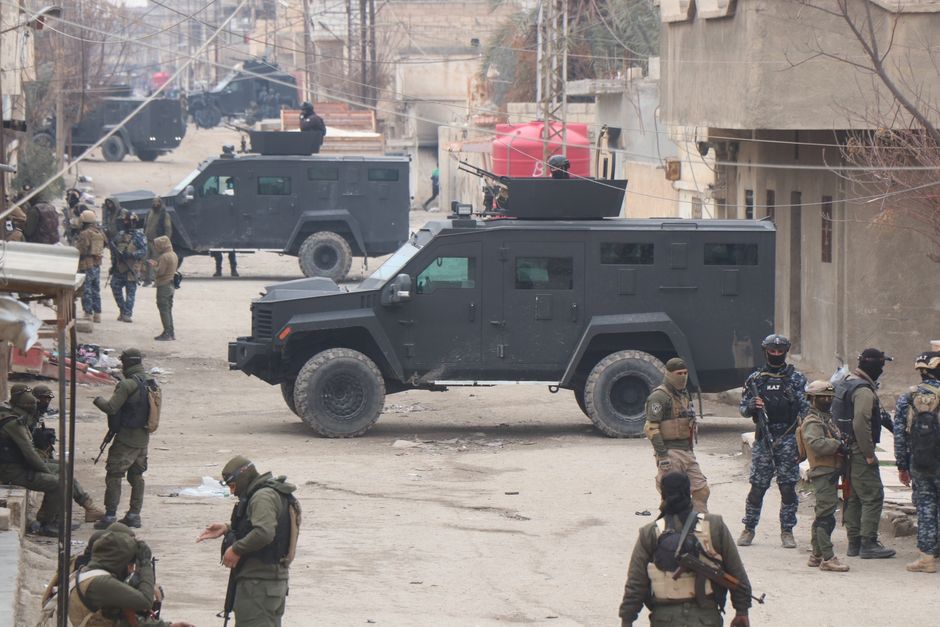
- Renewed clashes in Mogadishu are fueled by ongoing delays to Somalia’s elections, creating instability and fear among residents.
- The opposition accuses the government of electoral manipulation, while the government cites security and logistical issues for the postponements.
- Delayed elections have resulted in a power vacuum, exploited by various factions contributing to the escalating violence in the capital.
- The situation raises serious concerns about regional stability and the potential for further escalation of the political crisis.
- International attention is crucial as the conflict impacts both the Somali people and the broader international community.
Somalia’s capital, Mogadishu, is once again gripped by violence, as tensions over the country’s delayed elections have boiled over into clashes, leaving residents grappling with fear and disruption. The recent surge in violence has raised concerns about the stability of the region and the potential for further escalation. As the situation continues to unfold, it is essential to understand the underlying causes of the conflict and why it matters for the people of Somalia and the international community.
What is driving the Mogadishu clashes?

The current unrest in Mogadishu is primarily driven by the delayed elections, which have been a point of contention between the government and opposition groups. The elections, which were initially scheduled for 2020, have been repeatedly postponed, leading to increased tensions and frustration among the population. The opposition has accused the government of attempting to manipulate the electoral process, while the government has cited security concerns and logistical challenges as reasons for the delay. This impasse has created a power vacuum, which has been exploited by various factions, leading to the current violence.
What evidence supports the claim of a deepening crisis?

According to reports from Al Jazeera, the clashes in Mogadishu have resulted in significant damage to infrastructure and displacement of civilians. The BBC has also reported on the escalating violence, citing eyewitness accounts and statements from local officials. These reports, along with statements from international organizations, such as the United Nations, demonstrate the severity of the situation and the need for urgent attention to address the crisis.
Are there alternative perspectives on the crisis?

While the majority of reports suggest that the government’s actions have contributed to the crisis, some analysts argue that the opposition’s intransigence has also played a role in the escalation of violence. Others point out that external factors, such as the influence of neighboring countries and international powers, may be exacerbating the situation. Additionally, some Somalis have expressed frustration with the international community’s response to the crisis, arguing that it has been inadequate and ineffective. These alternative perspectives highlight the complexity of the situation and the need for a nuanced understanding of the underlying factors driving the conflict.
What are the real-world consequences of the crisis?

The ongoing violence in Mogadishu has significant consequences for the people of Somalia, including displacement, injury, and loss of life. The crisis has also disrupted essential services, such as healthcare and education, and has had a devastating impact on the local economy. Furthermore, the instability in Somalia has regional implications, with the potential to destabilize neighboring countries and create a haven for extremist groups. As the situation continues to deteriorate, it is essential to consider the long-term consequences of inaction and the need for a comprehensive and sustainable solution to the crisis.
What This Means For You
The situation in Somalia serves as a reminder of the importance of addressing the root causes of conflict and promoting inclusive and sustainable political processes. As the international community responds to the crisis, it is crucial to prioritize the needs and perspectives of the Somali people, while also acknowledging the complexity of the situation and the need for a nuanced approach. By engaging with the issue and seeking to understand the underlying factors driving the conflict, individuals can contribute to a more informed and effective response to the crisis.
As the situation in Somalia continues to unfold, it is essential to ask what the future holds for the country and its people. Will the international community be able to facilitate a peaceful and inclusive resolution to the crisis, or will the violence and instability continue to escalate? The answer to this question will depend on a variety of factors, including the actions of the Somali government, the opposition, and the international community. As we move forward, it is crucial to remain informed and engaged, seeking to understand the complexities of the situation and the ways in which we can contribute to a more peaceful and stable future for Somalia.
Source: Al Jazeera