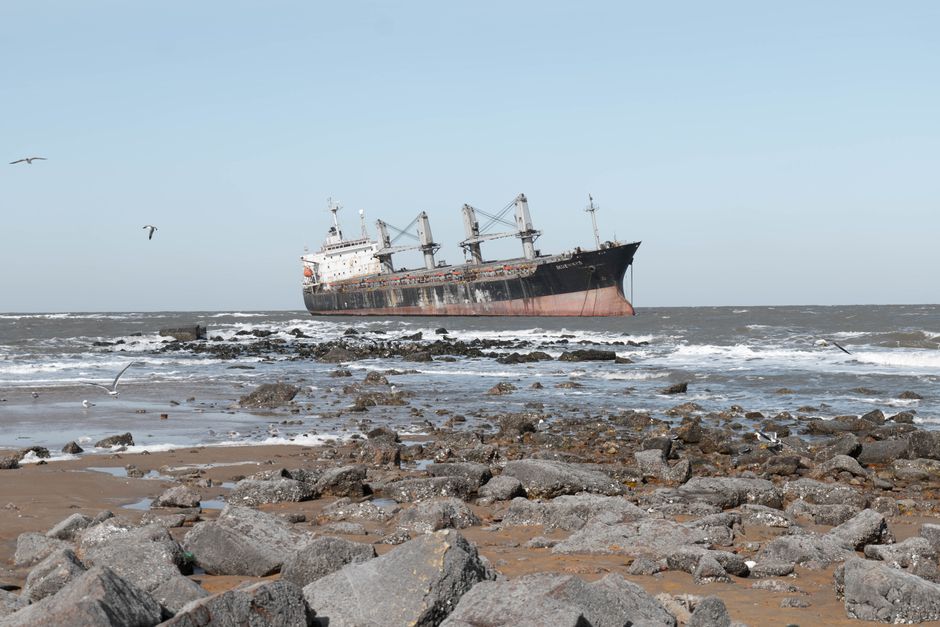
- A cargo ship strike in the Sea of Azov has killed five sailors, raising concerns about the region’s ongoing conflict.
- The Natra and Zirkon vessels, linked to Russia’s shadow fleet, were heading to load grain from a port linked to looted Ukrainian supplies.
- The incident has disrupted the flow of grain in the region and highlighted safety concerns for sailors and ships.
- Russia’s shadow fleet plays a significant role in the transportation of grain from the Sea of Azov port of Taganrog.
- The conflict in the Sea of Azov has its roots in Russia’s annexation of Crimea in 2014.
Five sailors were killed when two cargo vessels, the Natra and Zirkon, were struck overnight in the Sea of Azov, near the Russian city of Taganrog. The ships, which bear hallmarks of Russia’s shadow fleet, were heading to load grain at a port linked to looted Ukrainian supplies. This incident has raised concerns about the ongoing conflict in the region and the role of Russia’s shadow fleet in the transportation of grain.
Current Situation in the Sea of Azov

The Sea of Azov has been a focal point of tension between Russia and Ukraine, with both countries vying for control of the region’s lucrative grain trade. The Natra and Zirkon, both of which have been linked to Russia’s shadow fleet, were likely attempting to transport grain from the port of Taganrog to other destinations. The strike on the vessels has disrupted the flow of grain in the region and has raised concerns about the safety of sailors and ships operating in the area. The incident is currently under investigation, but it is unclear who was responsible for the strike or what the motivations behind it were.
Historical Context of the Conflict

The conflict in the Sea of Azov has its roots in the annexation of Crimea by Russia in 2014. Since then, tensions between Russia and Ukraine have escalated, with both countries engaging in a series of military and economic maneuvers. The Sea of Azov has become a key battleground in this conflict, with both countries seeking to control the region’s strategic ports and waterways. The use of shadow fleets by Russia has been a particular point of contention, with Ukraine accusing Russia of using these fleets to transport looted grain and other goods.
Key Players in the Conflict

The conflict in the Sea of Azov involves a number of key players, including the governments of Russia and Ukraine, as well as various shipping companies and sailors. The Russian government has been accused of using its shadow fleet to transport grain and other goods from Ukraine, while the Ukrainian government has sought to disrupt these efforts and protect its own economic interests. The sailors who were killed in the strike on the Natra and Zirkon were likely unaware of the larger geopolitical context in which they were operating, but their deaths have highlighted the human cost of the conflict.
Consequences of the Incident

The strike on the Natra and Zirkon has significant consequences for the sailors who were killed, as well as for the broader conflict in the Sea of Azov. The incident has raised concerns about the safety of sailors and ships operating in the region and has highlighted the need for greater transparency and accountability in the transportation of grain and other goods. The incident has also raised questions about the role of Russia’s shadow fleet in the conflict and the extent to which the Russian government is involved in the transportation of looted grain and other goods.
The Bigger Picture
The conflict in the Sea of Azov is part of a larger struggle for control of the region’s resources and trade routes. The incident highlights the need for greater international cooperation and diplomacy to resolve the conflict and protect the rights of sailors and shipping companies. As the situation continues to unfold, it is likely that the international community will be watching closely to see how the conflict develops and what steps are taken to address the underlying issues. For more information on the conflict in the Sea of Azov, see the BBC’s coverage of the issue.
The incident in the Sea of Azov serves as a reminder of the ongoing tensions between Russia and Ukraine and the need for a peaceful resolution to the conflict. As the investigation into the strike on the Natra and Zirkon continues, it is likely that more information will come to light about the circumstances surrounding the incident and the role of Russia’s shadow fleet in the transportation of grain and other goods. In the meantime, the international community will be watching closely to see how the situation develops and what steps are taken to address the underlying issues, and readers can stay informed by following reputable sources such as Reuters.
Source: Euronews