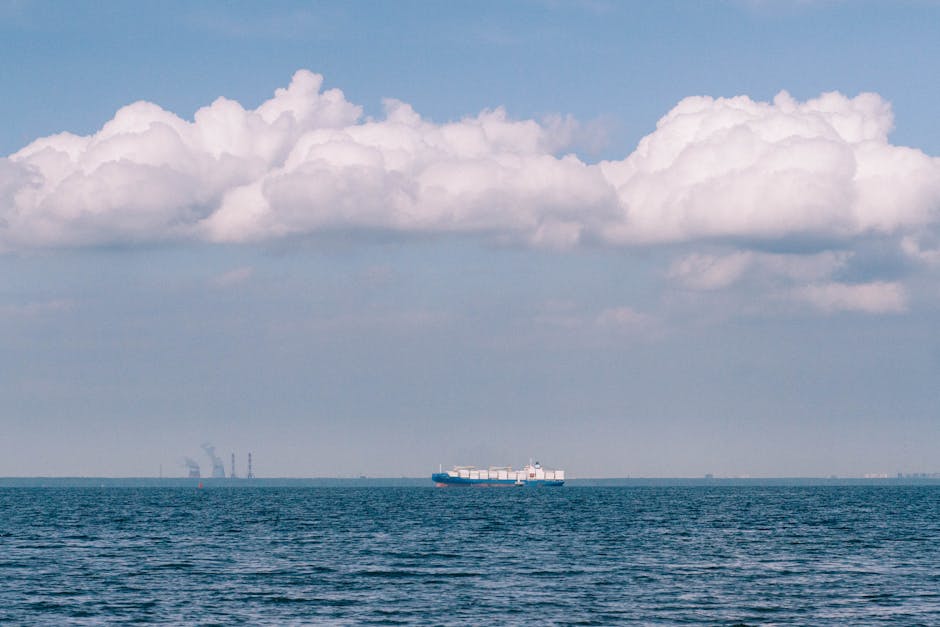
- Ukraine targets five cargo ships in the Sea of Azov, disrupting Russian supply lines and demonstrating military capability.
- Ships were reportedly carrying illegal cargo, subject to international sanctions, escalating the ongoing conflict.
- Attacks indicate a shift in Ukraine’s military strategy, aimed at exerting pressure on Russia and its allies.
- Strikes using missiles and drones raise concerns over regional security and potential retaliation.
- Developments may impact global trade and security, affecting international shipping routes in the region.
What is behind Ukraine’s recent strikes on cargo ships in the Sea of Azov? Ukraine’s military has launched a series of attacks on five ships carrying illegal cargo in the Sea of Azov and in coastal waters of Russian-occupied territories, marking a significant escalation in the ongoing conflict. The strikes, which were confirmed by Ukrainian officials, have raised questions about the country’s strategy and the potential consequences for the region. As the conflict continues to unfold, readers should care about these developments because they may indicate a shift in Ukraine’s military approach and have implications for global trade and security.
Understanding the Context of the Strikes

The strikes on cargo ships are part of a broader effort by Ukraine to disrupt Russian supply lines and limit the transport of goods in the region. According to Ukrainian officials, the ships were carrying illegal cargo, including steel and grain, which are subject to international sanctions. The attacks have been seen as a way for Ukraine to exert pressure on Russia and its allies, and to demonstrate its ability to target enemy vessels. As reported by the BBC, the strikes have been carried out using a combination of missiles and drones.
Supporting Evidence and International Reactions

Data and quotes from Ukrainian officials and international organizations have backed up the claims of the strikes. For example, a spokesperson for the Ukrainian military said that the attacks were a response to Russia’s continued violation of international law and its support for separatist groups in the region. The international community has also weighed in on the issue, with some countries expressing concern about the escalation of the conflict and the potential impact on global trade. The United Nations has called for calm and restraint, and has urged all parties to respect international law and avoid further violence.
Counter-Perspectives and Skepticism

Not everyone is convinced that the strikes are an effective or justified strategy. Some skeptics have argued that the attacks may have unintended consequences, such as harming civilians or disrupting the supply of essential goods. Others have questioned the legality of the strikes, and have pointed out that Ukraine may be violating international law by targeting ships in neutral waters. Additionally, some have raised concerns about the potential for escalation and the impact on regional stability. Russian officials have also denied any wrongdoing and have accused Ukraine of provoking the conflict.
Real-World Impact and Consequences

The strikes on cargo ships have already had significant consequences for the region. The attacks have disrupted trade and have led to a shortage of essential goods in some areas. The conflict has also had a humanitarian impact, with many civilians caught in the crossfire or forced to flee their homes. Furthermore, the strikes have raised concerns about the potential for a wider conflict, and have highlighted the need for a diplomatic solution to the crisis. As the situation continues to unfold, it is likely that the international community will be watching closely to see how the conflict develops and what steps can be taken to reduce tensions.
What This Means For You
So what does this mean for readers? The strikes on cargo ships are a significant development in the ongoing conflict between Ukraine and Russia, and they have important implications for global trade and security. As the situation continues to unfold, it is essential to stay informed and to understand the context and potential consequences of the conflict. By following reputable sources and staying up-to-date with the latest developments, readers can gain a deeper understanding of the issues at play and the potential impact on the region and the world.
As the conflict in Ukraine continues to evolve, one question remains: what will be the long-term consequences of these strikes, and how will the international community respond to the escalating tensions? Will the strikes lead to a wider conflict, or will they be a catalyst for diplomatic efforts to resolve the crisis? As the situation continues to unfold, it is essential to consider these questions and to think critically about the potential implications of the conflict.
Source: BBC