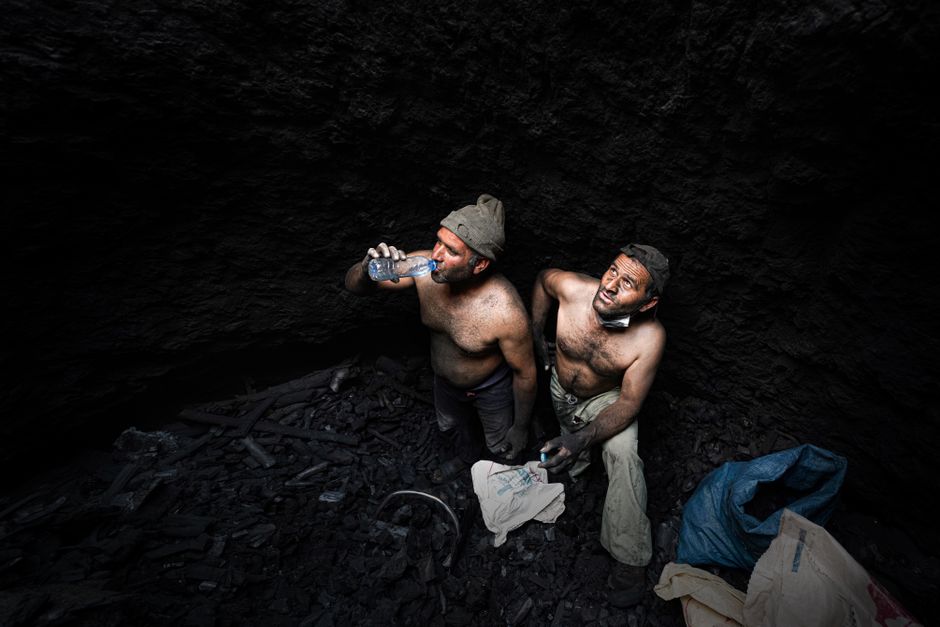
- Younger coal miners in Appalachia are at high risk of developing black lung disease due to inadequate dust protections in mines.
- Prolonged exposure to fine dust particles from coal cutting and drilling can cause scarring in the lungs, leading to black lung disease.
- Insufficient protective gear and lack of safety protocols in many mines put miners at risk of developing this debilitating disease.
- The number of black lung cases has increased significantly in recent years, with data from the Centers for Disease Control and Prevention (CDC) confirming this trend.
- Effective dust controls and adequate ventilation in mines are crucial in preventing the spread of black lung disease among coal miners.
What is behind the alarming surge in black lung disease among younger coal miners in Appalachia? A recent investigation by Fault Lines has uncovered a disturbing trend, with many miners in their 20s and 30s being diagnosed with the debilitating disease. This rise in black lung cases is a pressing concern, as it not only affects the health and well-being of individual miners but also has significant implications for the coal mining industry as a whole.
Understanding the Black Lung Epidemic

The increase in black lung disease among younger coal miners can be attributed to inadequate dust protections in mines. When coal is cut or drilled, it releases fine dust particles into the air, which can be inhaled by miners. Prolonged exposure to this dust can cause scarring in the lungs, leading to black lung disease. The investigation found that many mines in Appalachia are not providing sufficient protective gear or enforcing safety protocols, putting miners at risk of developing this debilitating disease.
Evidence of Gaps in Dust Protections

Data and expert opinions confirm the findings of the investigation. According to the Centers for Disease Control and Prevention, the number of black lung cases has increased significantly in recent years. Experts point to the lack of effective dust controls and inadequate ventilation in mines as major contributors to this trend. Furthermore, many miners have come forward to share their experiences, highlighting the need for improved safety measures and better enforcement of existing regulations.
Counter-Perspectives and Challenges

Some argue that the increase in black lung cases is due to a combination of factors, including the type of coal being mined and the duration of miners’ exposure to dust. While these factors may play a role, the investigation suggests that gaps in dust protections are a primary concern. Others argue that implementing stricter safety protocols would be too costly for mine operators, potentially leading to job losses. However, the long-term costs of not addressing this issue, including the human toll and potential legal liabilities, far outweigh any short-term savings.
Real-World Impact of Black Lung Disease

The consequences of black lung disease are far-reaching and devastating. Miners diagnosed with the disease often face significant medical expenses, lost income, and a reduced quality of life. The disease can also have a profound impact on families and communities, as miners may be forced to leave their jobs or rely on others for support. In addition, the rise in black lung cases has significant implications for the coal mining industry, highlighting the need for improved safety protocols and better enforcement of existing regulations.
What This Means For You
The surge in black lung disease among younger coal miners serves as a stark reminder of the importance of prioritizing worker safety and health. As consumers of coal and other energy sources, we must be aware of the potential human costs associated with these industries. By supporting policies and practices that promote safer working conditions, we can help prevent similar tragedies from occurring in the future.
As the investigation by Fault Lines highlights, there is still much work to be done to address the root causes of the black lung epidemic. What role can regulatory agencies, mine operators, and individual miners play in preventing this disease, and what steps can be taken to ensure that the coal mining industry prioritizes worker safety and health? The answers to these questions will be crucial in determining the future of coal mining in Appalachia and beyond.
Source: Al Jazeera