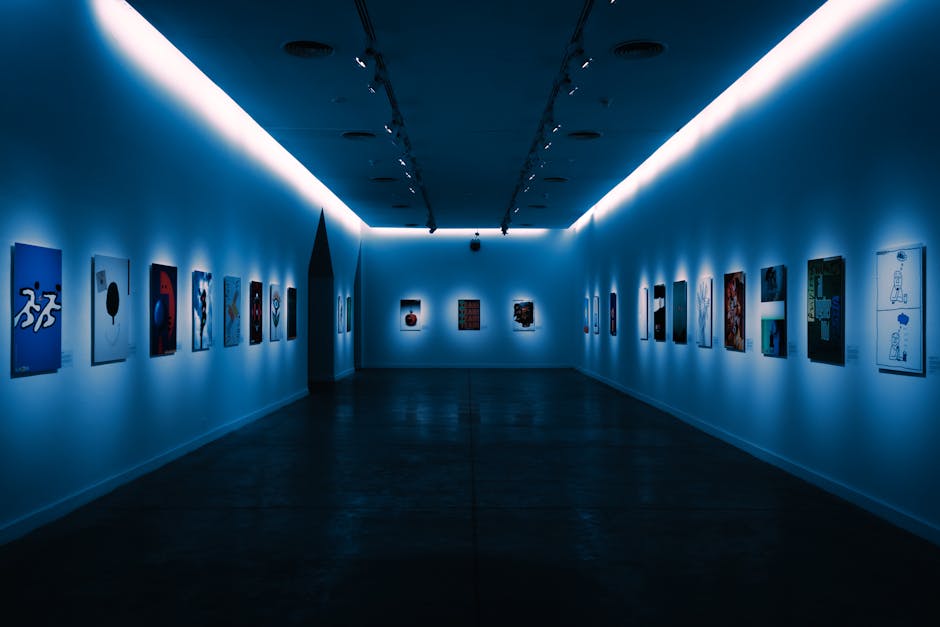
- Pace Gallery has reduced its artist roster and staff by 50 due to economic pressures in the art market.
- The art market downturn affects galleries, artists, and collectors, forcing businesses to restructure and adapt.
- The decision highlights the challenges faced by established players in the art industry despite their reputation and success.
- Galleries are experiencing reduced sales, lower demand, and increased competition from online platforms.
- The art market’s fluctuations are influenced by global economic trends, collector demand, and financial market health.
Pace Gallery, a leading international art gallery, has announced the reduction of its artist roster by 50 and its staff by 50, citing the current challenges in the art market as the primary reason for this decision. This move underscores the economic pressures faced by even the most established players in the art industry. The cuts come as the art market experiences a downturn, affecting galleries, artists, and collectors alike, making it essential for businesses like Pace Gallery to restructure and adapt to the new economic reality.
Background and Market Conditions

The art market, like many other sectors, is subject to fluctuations based on global economic trends, collector demand, and the overall health of the financial markets. In recent years, the market has seen significant growth, fueled by an increase in global wealth and a growing interest in contemporary art. However, with the onset of economic uncertainties and a slowdown in global growth, the art market has begun to feel the pinch. Galleries are facing reduced sales, lower demand for certain types of art, and increased competition from online platforms and younger galleries. This challenging environment has necessitated strategic decisions, such as the ones made by Pace Gallery, to ensure sustainability and competitiveness.
Key Details of the Cuts

The decision to cut 50 artists from its roster and reduce its staff by the same number is a significant strategic move by Pace Gallery. This reduction aims to streamline the gallery’s operations, making it more agile and better positioned to navigate the current market conditions. The affected artists and staff will likely face challenges in the short term, as they seek new representation and employment opportunities, respectively. Pace Gallery’s move also reflects a broader trend in the art world, where galleries are reevaluating their business models, focusing on core artists, and exploring digital platforms to reach a wider audience and maintain relevance in a rapidly changing market.
Analysis and Market Implications

The cuts made by Pace Gallery offer insights into the broader health of the art market and the strategic decisions galleries must make to remain viable. The art market’s downturn can be attributed to various factors, including economic uncertainty, changes in consumer behavior, and the rise of digital art platforms. As a result, galleries are focusing on their niche strengths, reducing operational costs, and leveraging technology to enhance the art-buying experience. This shift towards a more streamlined and digitally integrated model may lead to a more resilient art market in the long term but also poses challenges for artists and galleries that are not well-positioned to adapt to these changes.
Implications for the Art Community

The implications of Pace Gallery’s decision are far-reaching, affecting not only the artists and staff directly involved but also the broader art community. The reduction in gallery representation for 50 artists may limit their exposure and access to potential buyers, at least in the short term. Furthermore, the staff reductions could lead to a loss of expertise and knowledge within the gallery sector. However, this restructuring could also pave the way for new opportunities, as other galleries may see this as a chance to discover and represent talented artists who are now seeking new representation. The art market’s ability to adapt and evolve in response to economic challenges will be crucial in determining the long-term impact of such decisions.
Expert Perspectives
Experts in the art market offer contrasting viewpoints on the implications of Pace Gallery’s cuts. Some view this move as a necessary step towards ensuring the gallery’s long-term viability, given the current market conditions. Others express concern over the potential negative impact on the artists and the overall diversity of the art market, as larger galleries consolidate their positions. According to reports from the New York Times, the art market’s resilience and ability to innovate will be key factors in navigating these challenges. As the art world continues to evolve, the interplay between traditional gallery models and emerging digital platforms will be an area of significant interest and development.
Looking forward, the art market is likely to continue facing challenges, and galleries will need to be innovative and adaptable to succeed. The decision by Pace Gallery to reduce its roster and staff serves as a bellwether for the industry, highlighting the need for strategic planning and flexibility. As collectors, artists, and galleries navigate this new landscape, the focus will be on finding sustainable models that support artistic talent while ensuring the economic viability of the art market. For those interested in the broader trends shaping the art world, visiting contemporary art platforms and staying abreast of market analyses from reliable news sources will provide valuable insights into the future of the art industry.
Source: The New York Times