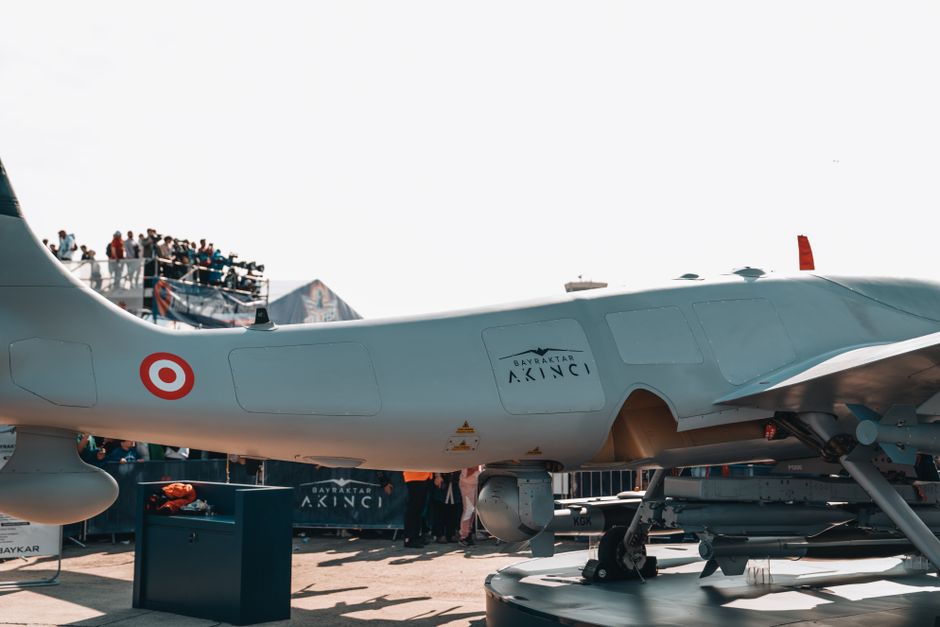
- Russia is investing heavily in unmanned aerial vehicles (UAVs) to potentially gain an upper hand in future conflicts.
- The Baltic states, including Latvia, Lithuania, and Estonia, are on high alert due to their proximity to Russia and ongoing tensions.
- Russia’s drone technology could be used to launch attacks on NATO member states, putting the alliance at risk.
- Drones would allow Russia to carry out reconnaissance and strike missions without putting its pilots at risk.
- The conflict in Ukraine has given Russia valuable experience and insights into the effectiveness of UAVs in combat.
Latvia’s military chief, General Leonids Kalnins, has warned that Russia could utilize its drone technology advantage to threaten the Baltic states and potentially attack NATO by the end of 2028. This warning comes as Russia has been investing heavily in unmanned aerial vehicles (UAVs), which could give it an upper hand in any future conflict. The Baltic states, including Latvia, Lithuania, and Estonia, have been on high alert due to their proximity to Russia and the ongoing tensions between Moscow and the West.
Current Tensions and Drone Technology

The current situation is marked by increased tensions between Russia and the West, with the conflict in Ukraine serving as a catalyst. Russia’s military has been actively deploying drones in Ukraine, which has given it valuable experience and insights into the effectiveness of UAVs in combat. The Latvian general’s warning highlights the potential risks associated with Russia’s drone technology, which could be used to launch attacks on NATO member states. The use of drones would allow Russia to carry out reconnaissance and strike missions without putting its pilots at risk, making them a formidable weapon in any conflict.
Historical Context and NATO-Russia Relations

The story behind the current tensions dates back to the collapse of the Soviet Union, which led to the expansion of NATO into Eastern Europe. Russia has long been wary of NATO’s presence in the region, viewing it as a threat to its national security. The annexation of Crimea in 2014 and the ongoing conflict in Ukraine have further strained relations between Russia and the West. The investment in drone technology is seen as a way for Russia to counter NATO’s military superiority, and the Latvian general’s warning suggests that this strategy could be bearing fruit. The historical context is essential in understanding the motivations behind Russia’s actions and the potential consequences of its drone technology advancements.
Key Players and Motivations

The key players in this scenario are the Russian military, the Latvian government, and NATO. The Russian military is motivated by a desire to counter NATO’s military presence in the region and to protect its national interests. The Latvian government, on the other hand, is concerned about the potential threat posed by Russia’s drone technology and is seeking to raise awareness about the risks. NATO is also involved, as any attack on a member state would trigger a collective defense response. The motivations of these players are complex and multifaceted, driven by a combination of geopolitical, strategic, and economic factors.
Consequences and Implications

The potential consequences of Russia’s drone technology advancements are far-reaching and alarming. If Russia were to use its drones to attack NATO member states, it could lead to a significant escalation of the conflict, potentially drawing in other countries. The use of drones would also raise questions about the effectiveness of NATO’s air defenses and its ability to respond to asymmetric threats. The implications of this scenario are severe, and it highlights the need for NATO to invest in counter-drone technologies and to develop strategies to counter Russia’s UAVs. The situation demands a coordinated response from NATO and its member states to address the potential threat posed by Russia’s drone technology.
The Bigger Picture
This warning from the Latvian general highlights the broader geopolitical tensions between Russia and the West. The conflict in Ukraine, the annexation of Crimea, and the ongoing tensions in the Baltic states are all part of a larger struggle for influence and power in the region. The use of drone technology is just one aspect of this conflict, but it has significant implications for the future of warfare and the balance of power in Europe. As NATO and its member states seek to address the potential threat posed by Russia’s drones, they must also consider the broader context and the long-term implications of this technology.
In conclusion, the warning from the Latvian general serves as a reminder of the ongoing tensions between Russia and the West and the potential risks associated with Russia’s drone technology advancements. As the situation continues to evolve, it is essential to consider the historical context, the motivations of the key players, and the potential consequences of Russia’s actions. The international community must remain vigilant and work towards finding a resolution to the conflict, while also addressing the broader geopolitical tensions that underlie it. The use of drone technology is a significant development, and its implications will be felt for years to come, making it essential to stay informed about the latest developments in this rapidly changing landscape.
Source: Financial Times