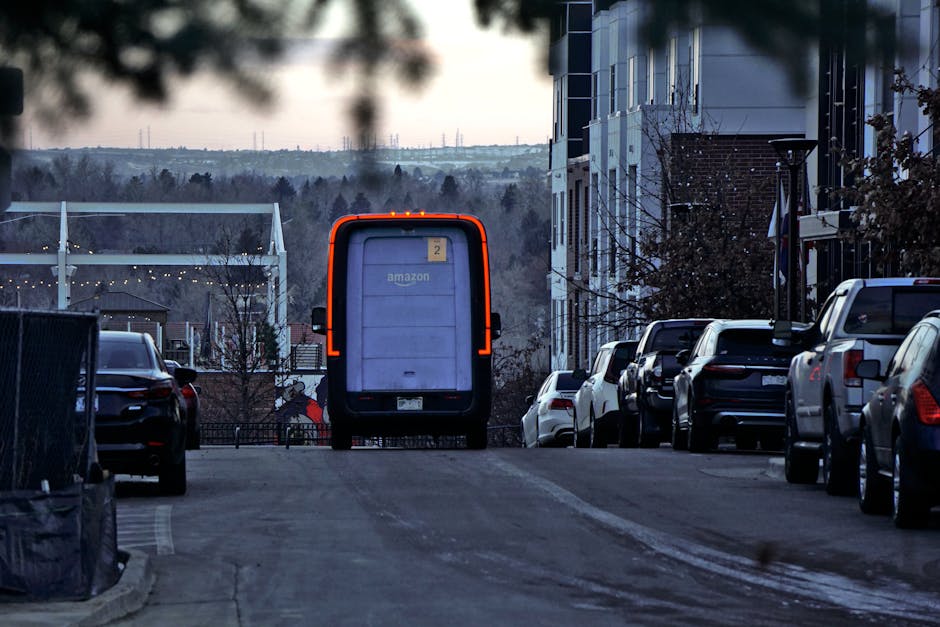
- Amazon is expanding ultra-fast deliveries to Manchester and Birmingham, in addition to parts of London.
- Amazon Now service promises deliveries in 30 minutes or less, increasing competitiveness in the UK’s e-commerce market.
- Same-day delivery of fresh fruit and vegetables is now available in London, shifting Amazon’s approach to grocery delivery.
- Amazon’s ultra-fast delivery service relies on local warehouses and delivery personnel to ensure short delivery times.
- This move reflects Amazon’s efforts to adapt to changing consumer preferences and behaviors in the UK.
What does Amazon’s expansion of ultra-fast deliveries in the UK mean for consumers? The company is set to roll out its Amazon Now service, which promises deliveries in 30 minutes or less, to Manchester and Birmingham, in addition to its existing service in parts of London. This move also includes the introduction of same-day delivery of fresh fruit and vegetables in London, marking a significant shift in the company’s approach to grocery delivery after closing its standalone grocery stores last year.
How Does Amazon’s Ultra-Fast Delivery Work?

Amazon’s ultra-fast delivery service, Amazon Now, relies on a network of local warehouses and delivery personnel to ensure that orders are fulfilled and delivered within a short timeframe. By expanding this service to more areas, Amazon aims to increase its competitiveness in the UK’s rapidly evolving e-commerce market. The inclusion of fresh groceries in the service is particularly notable, as it reflects Amazon’s efforts to adapt to changing consumer preferences and behaviors, especially in the wake of its decision to close Amazon Fresh stores in the UK.
What Evidence Supports Amazon’s Strategy?

Data from various sources indicates that consumers are increasingly demanding faster and more convenient delivery options. According to a report by the National Retail Federation, the demand for same-day delivery has seen a significant surge, with many consumers willing to pay a premium for the service. Amazon’s decision to expand its ultra-fast delivery service, including the addition of same-day fruit and veg delivery, is likely a response to these trends. Furthermore, quotes from industry analysts suggest that Amazon’s move is a strategic attempt to regain its foothold in the UK grocery market after the closure of its physical stores.
Are There Counter-Perspectives to Amazon’s Approach?

Not everyone is convinced that Amazon’s ultra-fast delivery service will be a success. Some skeptics argue that the environmental impact of such rapid deliveries could be significant, given the increased demand for transportation and packaging. Others point out that the profitability of ultra-fast delivery services is still uncertain, especially considering the high costs associated with maintaining a network of local warehouses and delivery personnel. Additionally, there are concerns about the potential displacement of traditional retail jobs and the impact on local economies.
What Are the Real-World Implications of Amazon’s Move?

The expansion of Amazon’s ultra-fast delivery service, including same-day fruit and veg, has concrete implications for consumers, retailers, and the environment. For consumers, the service offers greater convenience and flexibility, especially for those living in urban areas. However, retailers may face increased competition, potentially leading to market consolidation or innovation in their own delivery services. The environmental impact, including increased carbon emissions from delivery vehicles, is also a consideration that both Amazon and consumers will need to address.
What This Means For You
In practical terms, Amazon’s expansion of its ultra-fast delivery service means that consumers in Manchester, Birmingham, and parts of London will have access to a wider range of products, including fresh groceries, delivered quickly and conveniently. This shift underscores the importance of adapting to changing consumer behaviors and preferences, especially in the context of e-commerce and grocery shopping.
As Amazon and other retailers continue to innovate in the delivery space, an open question remains: how will the balance between convenience, cost, and environmental sustainability be struck in the pursuit of faster and more efficient delivery services? The answer to this question will likely involve a combination of technological innovation, changes in consumer behavior, and regulatory frameworks that support sustainable practices.
Source: The Guardian