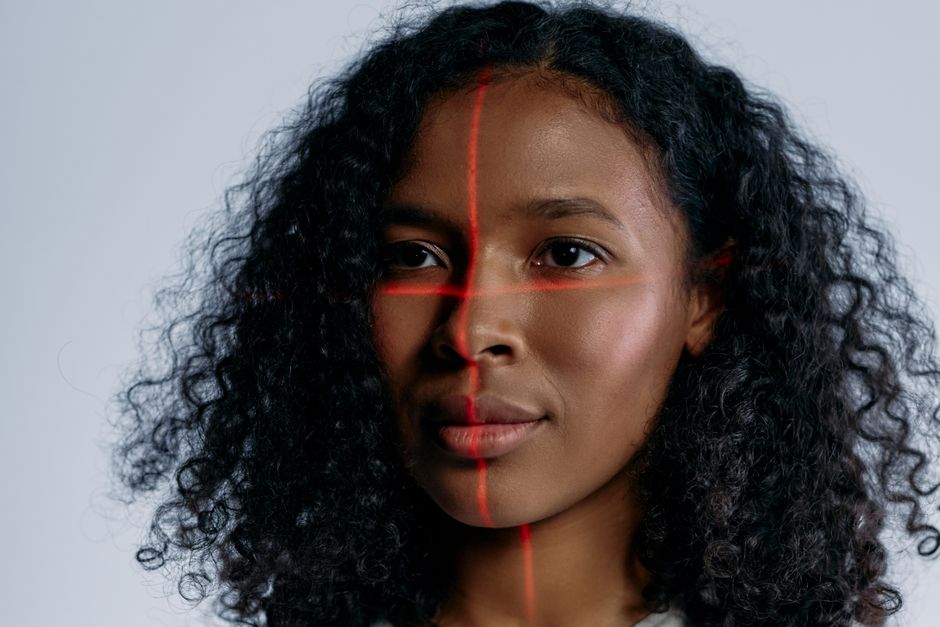
- Amazon’s Ring is accused of scanning and identifying faces without consent or compensation.
- Ring’s cameras use AI-powered facial recognition software to create unique digital signatures for individuals.
- The company allegedly stores facial data on its servers for various purposes, including marketing and advertising.
- Ring’s facial recognition system can be used to identify individuals in real-time, raising concerns about surveillance and privacy.
- The lawsuit argues that Ring’s practice of scanning and storing facial data without consent violates individuals’ right to control their own biometric data.
A recent lawsuit filed against Amazon-owned Ring alleges that the company’s cameras scan and identify faces without the consent or compensation of individuals, raising significant privacy concerns. The lawsuit claims that Ring’s cameras, which are equipped with artificial intelligence (AI) technology, capture and analyze the faces of guests and passersby, storing this sensitive biometric data without permission. This practice, the lawsuit argues, constitutes a violation of individuals’ right to control their own biometric data.
The Evidence of Facial Scanning

According to the lawsuit, Ring’s cameras use AI-powered facial recognition software to identify and scan faces, creating a unique digital signature for each individual. This data is then stored on Ring’s servers, where it can be accessed and used for various purposes, including marketing and advertising. The lawsuit cites internal documents and testimony from former Ring employees, which allegedly reveal the company’s practice of scanning and storing facial data without consent. For example, a facial recognition system like Ring’s can be used to identify individuals in real-time, raising concerns about surveillance and privacy.
The Key Players

The lawsuit names Amazon and Ring as defendants, alleging that the companies have knowingly and intentionally collected and used individuals’ facial data without their consent. The plaintiffs, a group of individuals who claim to have been scanned by Ring’s cameras, are seeking damages and injunctive relief to stop the company’s alleged practices. The case has sparked a wider debate about the use of facial recognition technology and the need for greater regulation and oversight. As reported by Reuters, the use of facial recognition technology has become increasingly prevalent in recent years, with many companies using it for various purposes, including security and marketing.
The Trade-Offs

The lawsuit highlights the trade-offs between the benefits of facial recognition technology, such as improved security and convenience, and the risks to individuals’ privacy and autonomy. While Ring’s cameras may provide a sense of security for homeowners, the company’s alleged practice of scanning and storing facial data without consent raises significant concerns about surveillance and the potential for misuse. The lawsuit argues that individuals should be compensated for the use of their biometric data, which has significant economic value in the digital economy. As noted by the New York Times, the use of biometric data has become a lucrative business, with many companies seeking to collect and exploit this sensitive information.
The Timing

The lawsuit comes at a time when there is growing scrutiny of facial recognition technology and its use by companies like Ring. In recent years, there have been numerous reports of facial recognition technology being used to surveil and track individuals, sparking concerns about privacy and civil liberties. The lawsuit argues that Ring’s alleged practices are particularly egregious, given the company’s failure to obtain consent or provide compensation to individuals whose faces are scanned. As reported by the BBC, the use of facial recognition technology has become a major concern for regulators and lawmakers, who are seeking to establish clearer guidelines and regulations for its use.
Where We Go From Here
The outcome of the lawsuit is uncertain, but it is likely to have significant implications for the use of facial recognition technology by companies like Ring. One possible scenario is that the court will rule in favor of the plaintiffs, ordering Ring to stop its alleged practices and provide compensation to individuals whose faces have been scanned. Another scenario is that the court will dismiss the lawsuit, allowing Ring to continue its practices unchecked. A third scenario is that the lawsuit will prompt regulatory action, leading to greater oversight and regulation of facial recognition technology. Regardless of the outcome, the lawsuit highlights the need for greater transparency and accountability in the use of biometric data.
In conclusion, the lawsuit against Ring raises important questions about the use of facial recognition technology and the need for greater regulation and oversight. As the use of this technology becomes increasingly prevalent, it is essential that companies prioritize transparency and accountability, obtaining consent and providing compensation to individuals whose biometric data is collected and used. Ultimately, the outcome of the lawsuit will depend on the court’s interpretation of the law and the facts of the case, but it is clear that the use of facial recognition technology will continue to be a major issue in the years to come.
Source: Ars Technica