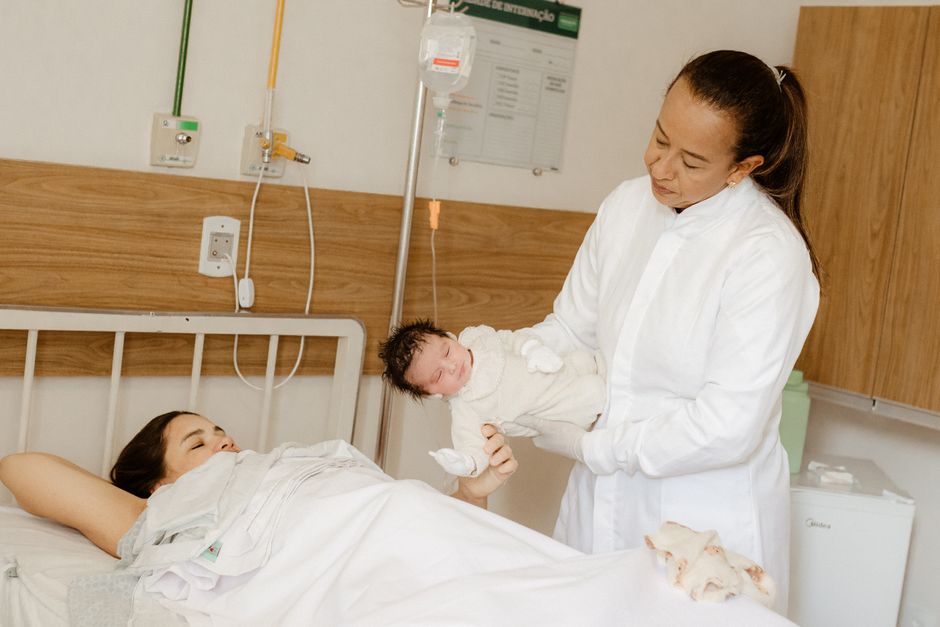
- Liverpool Women’s Hospital plans to relocate high-risk maternity services to the Royal Liverpool Hospital, affecting 130 births annually.
- High-risk expectant mothers will be transferred to the Royal Liverpool Hospital for delivery, improving patient outcomes.
- The relocation aims to address the hospital’s challenges in providing specialized maternity care.
- Concerns have been raised about potential disruption to care and increased travel distances for patients.
- The Royal Liverpool Hospital is better equipped to handle complex births, enhancing patient care.
Liverpool Women’s Hospital has announced plans to relocate some of its maternity services to the Royal Liverpool Hospital, a move that could impact around 130 high-risk births each year. The proposed relocation is set to affect expectant mothers with high-risk pregnancies, who will be transferred to the Royal Liverpool Hospital for delivery. This development has significant implications for the community, particularly for those who rely on the hospital’s specialized maternity care.
Current State of Affairs

The current situation at Liverpool Women’s Hospital is one of transition, with hospital administrators working to ensure a seamless transfer of services to the Royal Liverpool Hospital. Key facts about the relocation include the transfer of high-risk maternity services, which will be handled by the Royal Liverpool Hospital’s obstetrics department. The relocation is expected to improve patient outcomes, as the Royal Liverpool Hospital is better equipped to handle complex births. However, concerns have been raised about the potential disruption to care and the impact on patients who will have to travel farther for services.
History of the Hospital

The story behind the relocation of maternity services from Liverpool Women’s Hospital is rooted in the hospital’s history and the evolving needs of the community. Liverpool Women’s Hospital has a long tradition of providing specialized maternity care, but the hospital has faced challenges in recent years, including funding constraints and staffing shortages. The decision to relocate high-risk maternity services to the Royal Liverpool Hospital is part of a broader effort to consolidate services and improve patient care. Historically, the hospital has been a leader in women’s health, and the relocation is seen as a necessary step to ensure the continued provision of high-quality care.
Key Players and Motivations

The relocation of maternity services from Liverpool Women’s Hospital to the Royal Liverpool Hospital is being driven by hospital administrators and healthcare professionals who are motivated by a desire to improve patient outcomes. The key players involved in the relocation include hospital executives, obstetricians, and other healthcare professionals who are working together to ensure a smooth transition. Their motivations are centered on providing the best possible care for expectant mothers and their babies, while also addressing the hospital’s operational challenges. According to a spokesperson for the hospital, the relocation is necessary to ensure that patients receive the highest level of care, and that the hospital can continue to provide specialized maternity services.
Consequences of the Relocation

The relocation of high-risk maternity services from Liverpool Women’s Hospital to the Royal Liverpool Hospital will have significant consequences for stakeholders, including expectant mothers, healthcare professionals, and the broader community. For patients, the relocation may mean traveling farther for care, which could be a challenge for those with limited mobility or transportation options. Healthcare professionals will also be impacted, as they will need to adapt to new procedures and protocols. The community will also feel the effects of the relocation, as the hospital’s specialized maternity services are an important part of the local healthcare landscape. The National Health Service has assured patients that the relocation will not compromise the quality of care, but concerns remain about the potential disruption to services.
The Bigger Picture
The relocation of maternity services from Liverpool Women’s Hospital to the Royal Liverpool Hospital is part of a larger trend in the healthcare sector, as hospitals and healthcare systems seek to consolidate services and improve patient outcomes. This development has broader implications for the healthcare system, as it highlights the need for efficient and effective use of resources. The relocation also underscores the importance of World Health Organization guidelines on maternal healthcare, which emphasize the need for specialized care for high-risk pregnancies. As the healthcare landscape continues to evolve, it is likely that we will see more relocations and consolidations of services, all aimed at improving patient care and outcomes.
In conclusion, the relocation of high-risk maternity services from Liverpool Women’s Hospital to the Royal Liverpool Hospital is a significant development that will have far-reaching consequences for the community. As the hospital works to implement the relocation, it is essential that patients, healthcare professionals, and the broader community are informed and engaged in the process. What comes next will be crucial, as the hospital seeks to ensure a seamless transition and maintain the high level of care that patients expect and deserve. The success of the relocation will depend on careful planning, effective communication, and a commitment to putting patients first.
Source: BBC