- Anne Hathaway was left legally blind in one eye for 10 years due to an early onset cataract, highlighting the importance of eye health.
- Cataracts are a leading cause of vision loss in the US, affecting over 24 million Americans aged 40 and above.
- Early onset cataracts can occur due to genetics, injury, or certain medical conditions, affecting individuals under 40.
- 70% of Americans will develop cataracts by age 75, making regular eye check-ups crucial.
- The NIH and CDC are key organizations involved in cataract research and treatment, providing funding and developing guidelines.
Anne Hathaway, the renowned American actress, has recently revealed that she was left legally blind in one eye for a decade due to an early onset cataract. According to Hathaway, the condition, which affects the lens of the eye, caused significant vision loss, making everyday activities a challenge. This experience highlights the importance of eye health and the need for regular check-ups, especially for individuals at risk of developing cataracts.
The Prevalence of Cataracts

According to the Centers for Disease Control and Prevention (CDC), cataracts are a leading cause of vision loss in the United States, affecting more than 24 million Americans aged 40 and above. While cataracts are commonly associated with aging, early onset cataracts, like the one experienced by Anne Hathaway, can occur due to various factors, including genetics, injury, or certain medical conditions. The CDC estimates that approximately 70% of Americans will develop cataracts by the age of 75.
Key Players in Cataract Research and Treatment

The National Institutes of Health (NIH) and the CDC are among the key organizations involved in cataract research and treatment. These institutions provide funding for studies, develop guidelines for diagnosis and treatment, and raise awareness about the importance of eye health. Additionally, organizations such as the American Academy of Ophthalmology (AAO) play a crucial role in promoting eye health and providing resources for individuals affected by cataracts.
The Trade-Offs of Cataract Surgery

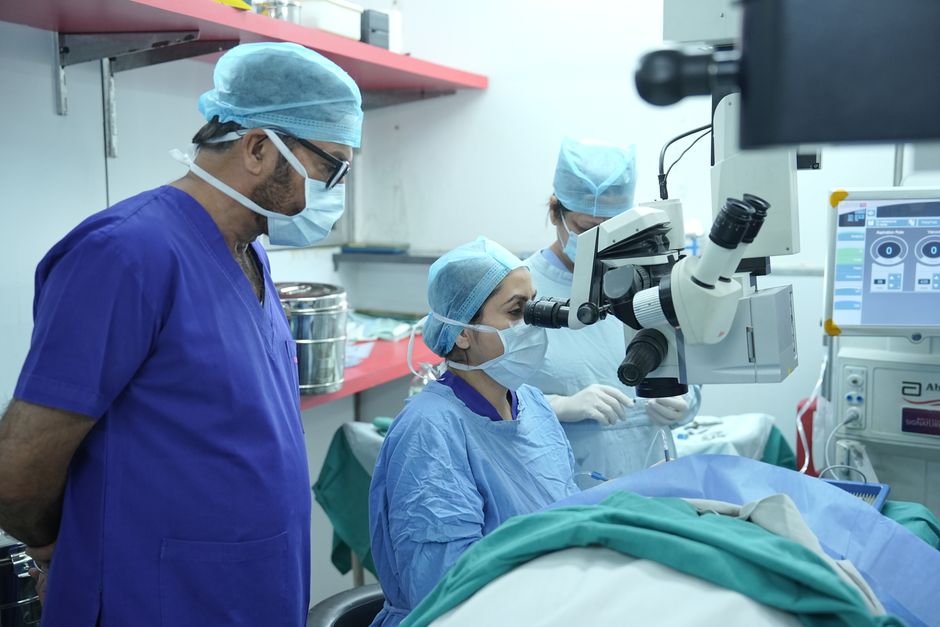
Cataract surgery is a common and effective treatment for cataracts, but it involves trade-offs. On the one hand, surgery can significantly improve vision and quality of life. On the other hand, it carries risks, such as infection, bleeding, and vision problems. Furthermore, cataract surgery can be expensive, and access to affordable treatment may be limited for some individuals. The World Health Organization (WHO) estimates that approximately 100 million people worldwide are blind or have low vision due to cataracts, highlighting the need for accessible and affordable treatment options.
Timing and Prevention

Early detection and treatment of cataracts are critical to preventing long-term vision loss. Regular eye exams can help identify cataracts in their early stages, allowing for timely intervention. Additionally, maintaining a healthy lifestyle, including a balanced diet and regular exercise, may help reduce the risk of developing cataracts. The CDC recommends that adults aged 40 and above undergo a comprehensive eye exam every 2-4 years to monitor eye health and detect potential problems early.
Where We Go From Here
Looking ahead, there are several potential scenarios for the next 6-12 months. Firstly, increased awareness about cataracts and eye health may lead to more individuals seeking regular eye exams and timely treatment. Secondly, advances in medical technology may result in more effective and affordable treatment options. Finally, efforts to improve access to healthcare and reduce health disparities may help reduce the burden of cataracts on marginalized communities. Ultimately, the key to addressing cataracts and promoting eye health lies in a multifaceted approach that involves awareness, prevention, and accessible treatment.
In conclusion, Anne Hathaway’s experience with early onset cataract serves as a reminder of the importance of eye health and the need for regular check-ups. By prioritizing eye health and promoting awareness about cataracts, we can work towards reducing the burden of this condition and improving the quality of life for individuals affected by it.
Source: Healthline