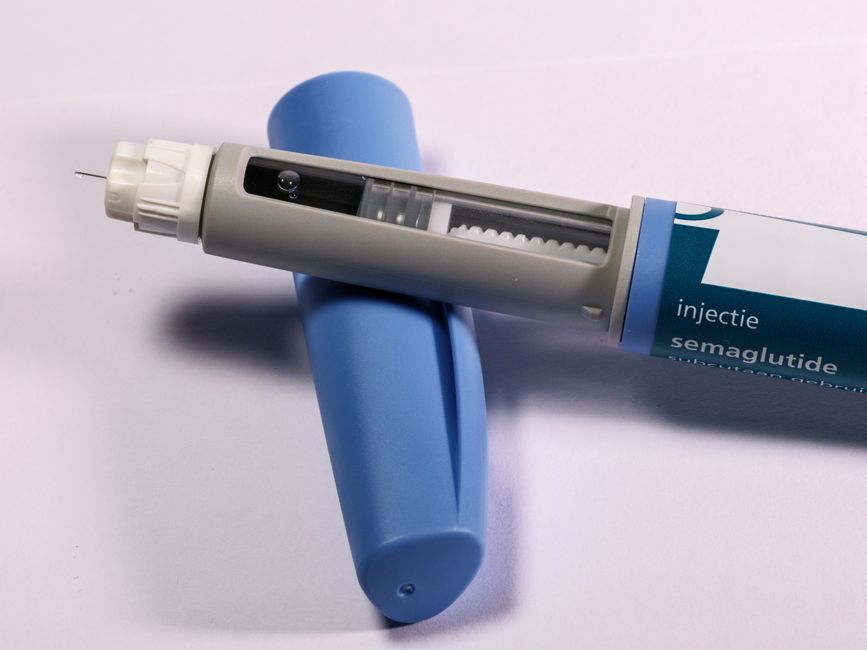
- A new study suggests that GLP-1 medications like Ozempic may lower breast cancer risk by 30% in females.
- The protective effect of GLP-1s on breast cancer is still unclear and requires further research.
- The link between GLP-1s and breast cancer prevention has significant implications for treatment and prevention strategies.
- GLP-1 drugs are commonly prescribed to treat type 2 diabetes, but may also have a role in breast cancer prevention.
- Further studies are needed to understand the relationship between GLP-1s and breast cancer risk.
What if certain medications could help lower the risk of breast cancer? Recent research suggests that GLP-1 drugs, such as Ozempic, may do just that. A new study found that females using these medications had about a 30% lower risk of developing breast cancer. This breakthrough has significant implications for breast cancer prevention and treatment, making it essential to understand the relationship between GLP-1s and breast cancer.
Understanding the Link Between GLP-1s and Breast Cancer

The study’s findings are based on the analysis of data from females using GLP-1 drugs, which are commonly prescribed to treat type 2 diabetes. The researchers discovered that the risk of breast cancer was significantly lower in this group compared to those not taking GLP-1s. This correlation suggests that GLP-1s may have a protective effect against breast cancer, although the exact mechanisms are still unclear. Further research is needed to fully understand the relationship between GLP-1s and breast cancer.
Examining the Evidence

The study’s results are supported by data from various sources, including the Centers for Disease Control and Prevention and the World Health Organization. These organizations have reported on the increasing incidence of breast cancer worldwide, highlighting the need for effective prevention strategies. The potential of GLP-1s to lower breast cancer risk is a significant finding, as it may offer a new approach to reducing the burden of this disease. Additionally, the study’s authors note that the reduced risk of breast cancer associated with GLP-1s may be related to the medications’ effects on insulin sensitivity and glucose metabolism.
Considering Alternative Perspectives

While the study’s findings are promising, some experts have raised questions about the potential limitations and biases of the research. For example, the study’s sample size and population may not be representative of all females at risk of breast cancer. Moreover, the long-term effects of GLP-1s on breast cancer risk are still unknown, and further studies are needed to confirm the results. Despite these limitations, the study’s authors believe that their findings have important implications for breast cancer prevention and treatment, and that GLP-1s may be a valuable addition to existing strategies.
Real-World Implications

The potential of GLP-1s to lower breast cancer risk has significant real-world implications. If confirmed, this finding could lead to the development of new breast cancer prevention strategies, particularly for females with a high risk of developing the disease. Additionally, the study’s results may influence the way GLP-1s are prescribed and used in clinical practice, potentially leading to more targeted and effective treatment approaches. As research continues to uncover the relationship between GLP-1s and breast cancer, it is essential to consider the potential benefits and limitations of these medications in the context of breast cancer prevention.
What This Means For You
The study’s findings suggest that GLP-1s like Ozempic may be a valuable tool in the prevention of breast cancer. While more research is needed to confirm the results, females who are at high risk of breast cancer may want to discuss the potential benefits and limitations of GLP-1s with their healthcare provider. It is essential to note that GLP-1s are prescription medications and should only be used under the guidance of a qualified healthcare professional.
As researchers continue to explore the relationship between GLP-1s and breast cancer, it is crucial to consider the broader implications of this research. What other potential benefits or risks are associated with the use of GLP-1s, and how might this research inform the development of new breast cancer prevention strategies? The answers to these questions will be essential in determining the long-term impact of GLP-1s on breast cancer risk and treatment.
Source: Healthline