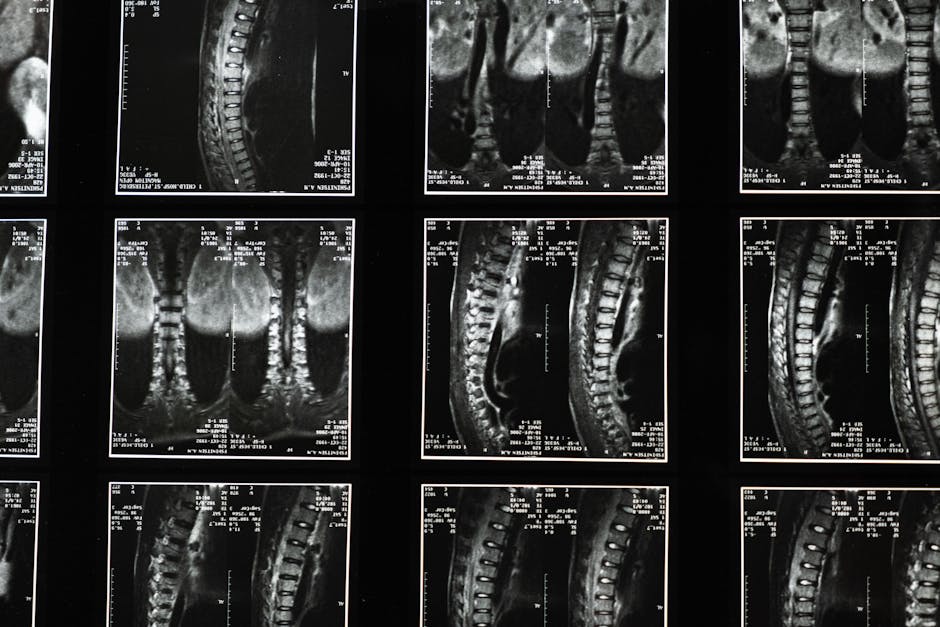
- Researchers found that spinal cord stimulation improves arm function in stroke patients years after the incident, restoring mobility and independence.
- The University of Pittsburgh study is a major milestone in spinal cord stimulation research for treating chronic stroke, a condition previously considered irreversible.
- Spinal cord stimulation uses electrical stimulation to target specific areas of the spinal cord, enhancing the brain’s ability to relearn and adapt.
- The trial’s success offers a promising new avenue for stroke treatment, providing patients with renewed hope for regaining lost mobility and improving quality of life.
- The breakthrough has profound implications for the millions of people worldwide living with the debilitating effects of stroke, offering a potential game-changer in rehabilitation research.
Researchers at the University of Pittsburgh School of Medicine have made a groundbreaking discovery in the field of stroke rehabilitation, finding that spinal cord stimulation can significantly improve arm function in patients even years after a stroke. The pioneering pilot clinical trial, published in Nature Medicine, demonstrates the potential of this innovative treatment to restore mobility and independence in individuals affected by chronic stroke. This breakthrough has profound implications for the millions of people worldwide living with the debilitating effects of stroke.
Current State of Spinal Cord Stimulation Research

The University of Pittsburgh study is a major milestone in the ongoing research into the use of spinal cord stimulation for treating chronic stroke. By using electrical stimulation to target specific areas of the spinal cord, researchers aim to enhance the brain’s ability to relearn and adapt, thereby improving motor function in affected limbs. The trial’s success has been met with enthusiasm from the medical community, as it offers a promising new avenue for the treatment of a condition that has long been considered largely irreversible. With spinal cord stimulation, patients who have suffered a stroke may now have a renewed sense of hope for regaining lost mobility and improving their overall quality of life.
History of Stroke Rehabilitation Research

The history of stroke rehabilitation is marked by a longstanding quest for effective treatments to restore function and mobility in affected individuals. Traditional approaches have focused on physical therapy and occupational therapy, with varying degrees of success. However, in recent years, advances in neuroscience and technology have paved the way for more innovative solutions, including the use of electrical stimulation to enhance brain plasticity. The University of Pittsburgh study builds upon this foundation, pushing the boundaries of what is possible in the field of stroke rehabilitation and opening up new possibilities for patients who have been living with the consequences of a stroke for years.
Key Players and Motivations

The researchers behind the University of Pittsburgh study are driven by a deep commitment to improving the lives of stroke survivors. Led by experts in the field of neurology and rehabilitation medicine, the team has dedicated years to exploring the potential of spinal cord stimulation as a treatment for chronic stroke. Their motivations are rooted in a desire to address the significant unmet need for effective therapies that can help patients regain lost function and independence. As the study’s findings continue to garner attention, the researchers remain focused on translating their discoveries into real-world benefits for patients, working tirelessly to refine the treatment and make it accessible to those who need it most.
Consequences and Implications

The success of the University of Pittsburgh study has far-reaching consequences for the medical community, patients, and caregivers alike. For individuals affected by chronic stroke, the prospect of regaining arm function and mobility offers a renewed sense of purpose and independence. The study’s findings also have significant implications for healthcare systems, as they highlight the potential for spinal cord stimulation to reduce the economic burden of stroke rehabilitation. Furthermore, the research underscores the importance of continued investment in innovative therapies and treatments, as these advancements have the potential to transform the lives of millions of people worldwide.
The Bigger Picture
The University of Pittsburgh study is part of a larger narrative about the evolving landscape of stroke rehabilitation and the role of innovative therapies in improving patient outcomes. As researchers continue to push the boundaries of what is possible, we are reminded of the profound impact that medical advancements can have on individuals, families, and communities. The study’s findings serve as a powerful reminder of the importance of perseverance and collaboration in the pursuit of medical breakthroughs, and they offer a beacon of hope for those affected by stroke and other debilitating conditions.
As the medical community continues to build upon the University of Pittsburgh study’s findings, patients and caregivers can expect to see significant advancements in the development of spinal cord stimulation therapies. With ongoing research and refinement, this innovative treatment has the potential to become a game-changer for stroke rehabilitation, offering new possibilities for restoring mobility, function, and independence in individuals affected by this devastating condition. As we look to the future, one thing is clear: the breakthrough discovery of the University of Pittsburgh researchers is just the beginning of an exciting new chapter in the field of stroke rehabilitation.
Source: MedicalXpress