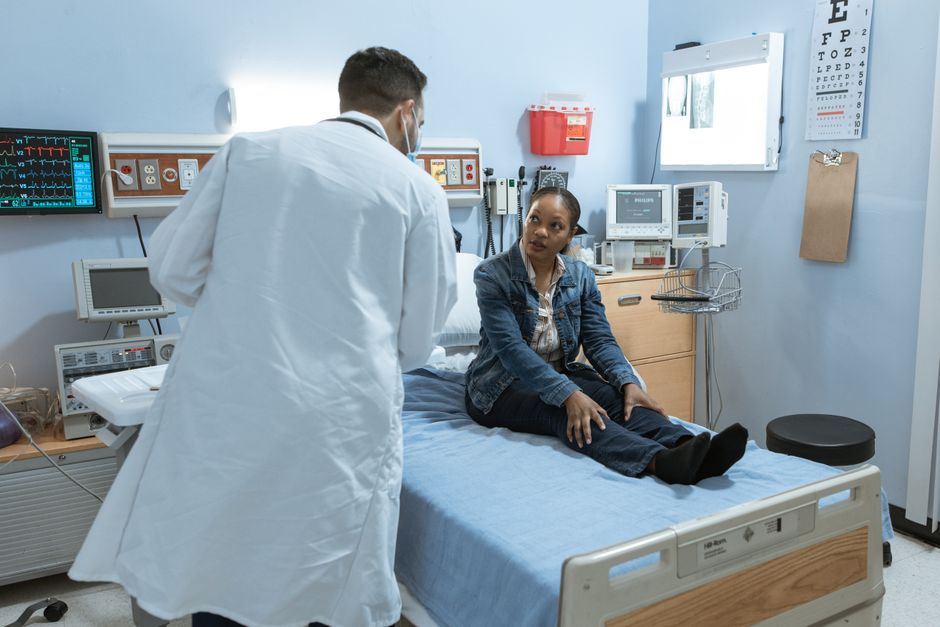
- Neurologist Orlando Swayne advocates for early, targeted, and intense therapy to facilitate life-changing improvements in stroke and head injury patients.
- Providing early intervention is not only a medical imperative but also a moral obligation to ensure patients receive optimal care.
- Early intervention can lead to improved mobility, speech, and cognitive function in stroke and head injury patients.
- Delayed treatment can result in reduced efficacy of recovery, highlighting the importance of timely access to specialized care.
- Claire’s story demonstrates the human brain’s resilience and potential for recovery with the right therapeutic approach.
Orlando Swayne, a leading neurologist, is pioneering a new approach to treating stroke and head injury patients, offering hope for those affected by these debilitating conditions. Swayne’s work focuses on the importance of early, targeted, and intense therapy in facilitating life-changing improvements. With his methods, patients like Claire, a mother of three who suffered a devastating stroke, can experience significant recovery. As Swayne argues, providing such therapy is not only a medical imperative but also a moral obligation.
The Power of Early Intervention

Swayne’s approach emphasizes the critical role of early intervention in determining patient outcomes. By administering targeted and intense therapy shortly after a stroke or head injury, patients can reap substantial benefits, including improved mobility, speech, and cognitive function. This is particularly significant, as the window for optimal recovery is relatively short, and delayed treatment can result in reduced efficacy. Swayne’s work underscores the need for healthcare systems to prioritize early intervention and provide patients with access to specialized care.
Claire’s Story: A Testament to the Human Brain’s Resilience

Claire’s case illustrates the profound impact of Swayne’s methods. Initially, she was unable to speak, and her mobility was severely impaired. However, following an intensive regimen of physical, occupational, and speech therapy, Claire began to exhibit remarkable improvements. Her progress serves as a powerful reminder of the human brain’s capacity for resilience and adaptation. As Swayne notes, while not every patient can recover fully, the potential for significant improvement is substantial, and it is essential to provide patients with the opportunity to realize their full potential.
Unraveling the Science Behind Swayne’s Approach

Swayne’s methods are grounded in a deep understanding of neuroplasticity, the brain’s ability to reorganize and adapt in response to injury or disease. By harnessing this potential, Swayne’s therapy helps patients develop new neural pathways, effectively bypassing damaged areas. This process is facilitated by the use of advanced technologies, such as functional magnetic resonance imaging (fMRI), which enables clinicians to map brain activity and tailor treatment plans accordingly. As expert research highlights, the integration of such technologies is crucial for optimizing patient outcomes.
The Broader Implications of Swayne’s Work

The implications of Swayne’s approach extend far beyond individual patient outcomes, with significant repercussions for healthcare systems and society as a whole. By prioritizing early intervention and providing access to specialized care, healthcare providers can reduce the long-term economic burden associated with stroke and head injury. Furthermore, Swayne’s work underscores the need for increased investment in neurology research, as well as the development of more effective therapies and treatments. As the World Health Organization emphasizes, addressing the global burden of stroke and head injury requires a concerted effort from healthcare professionals, policymakers, and researchers alike.
Expert Perspectives
Experts in the field praise Swayne’s dedication to advancing the field of neurology, with some highlighting the need for greater awareness about the importance of early intervention. Others emphasize the potential for Swayne’s methods to be integrated into existing healthcare frameworks, thereby increasing access to specialized care for patients worldwide. As one expert notes, “Swayne’s work serves as a powerful reminder of the importance of pushing the boundaries of what is possible in neurology, and we must continue to support and build upon his research to create a better future for patients and families affected by stroke and head injury.”
As researchers and clinicians continue to explore the frontiers of neurology, it is essential to remain vigilant and open to new discoveries and approaches. The story of Orlando Swayne and his groundbreaking work serves as a testament to the human spirit’s capacity for resilience and innovation. As we look to the future, it is crucial to prioritize continued investment in neurology research, ensuring that patients like Claire have access to the best possible care and, ultimately, a chance to reclaim their lives.
Source: The Guardian