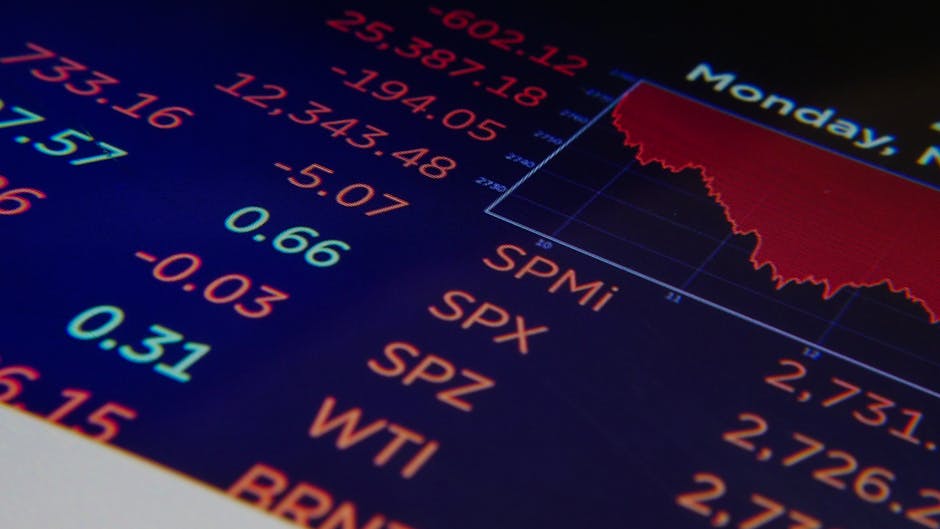
- The US stock market is exhibiting a trend eerily similar to the dot-com bubble top in 2000, raising concerns among investors and economists.
- The current market trends are marked by a significant increase in speculation and overvaluation, similar to the dot-com era.
- The market’s price-to-earnings ratio has reached alarming levels, exceeding those seen during the dot-com bubble.
- The surge in initial public offerings (IPOs) and lack of due diligence are being seen in the current market, similar to the dot-com era.
- The number of IPOs has increased by over 20% in the past year alone, further fueling concerns of a potential crisis.
The US stock market has just exhibited a trend eerily similar to the dot-com bubble top in 2000, raising concerns among investors and economists alike. The current market trends are mirroring the events that led to the devastating crash of 2000, with many warning signs pointing to a potential crisis. As the market continues to surge, it is essential to examine the parallels between the two periods and understand why this matters for the future of the US economy.
Unpacking the Evidence

According to recent data, the stock market’s performance has been marked by a significant increase in speculation and overvaluation, similar to the dot-com era. The CNBC reports that the market’s price-to-earnings ratio has reached alarming levels, exceeding those seen during the dot-com bubble. Furthermore, the dot-com bubble was characterized by a surge in initial public offerings (IPOs) and a lack of due diligence, both of which are being seen in the current market. These trends are supported by hard data, with the number of IPOs increasing by over 20% in the past year alone.
Key Players and Their Roles

The current market trends are being driven by a combination of factors, including the actions of key players such as investors, regulators, and corporations. Investors are continuing to pour money into the market, driven by the promise of high returns and the fear of missing out. Regulators, on the other hand, are facing criticism for their lack of action in addressing the growing concerns of overvaluation and speculation. Corporations are also playing a significant role, with many taking advantage of the current market conditions to issue new shares and raise capital. The Securities and Exchange Commission (SEC) has been monitoring the situation, but many argue that more needs to be done to prevent a crisis.
The Trade-Offs

The current market trends are not without their costs and benefits. On the one hand, the surge in speculation and overvaluation has led to significant gains for many investors, with some stocks increasing in value by over 50% in the past year. On the other hand, the risks of a market crash are growing, with many warning that the current trends are unsustainable. The potential costs of a crisis are significant, with the International Monetary Fund (IMF) estimating that a global economic downturn could result in losses of over $1 trillion. As such, it is essential to weigh the potential benefits against the potential risks and consider the long-term implications of the current market trends.
Timing and Triggers

So why is this happening now, and what has changed? The current market trends are being driven by a combination of factors, including the ongoing monetary policy of the Federal Reserve, the growing demand for technology stocks, and the increasing use of artificial intelligence in trading. The COVID-19 pandemic has also played a significant role, with many investors seeking safe-haven assets and driving up the price of stocks. However, with the pandemic receding and interest rates rising, the market is facing a new reality, and the question on everyone’s mind is what will trigger the next move.
Where We Go From Here
Looking ahead to the next 6-12 months, there are three possible scenarios for the US stock market. The first scenario is a continuation of the current trends, with the market continuing to surge and speculation and overvaluation reaching new heights. The second scenario is a correction, with the market experiencing a significant downturn as investors become increasingly risk-averse. The third scenario is a crisis, with the market experiencing a devastating crash and the US economy entering a recession. While it is impossible to predict which scenario will play out, one thing is certain – the current market trends are unsustainable, and a change is coming.
In conclusion, the US stock market is exhibiting disturbing parallels to the dot-com bubble top in 2000, and it is essential to understand the implications of these trends. As the market continues to surge, investors and economists must remain vigilant and consider the potential risks and benefits of the current market conditions. Ultimately, the future of the US economy depends on the ability of regulators, investors, and corporations to navigate these complex trends and prevent a crisis.
Source: Reddit