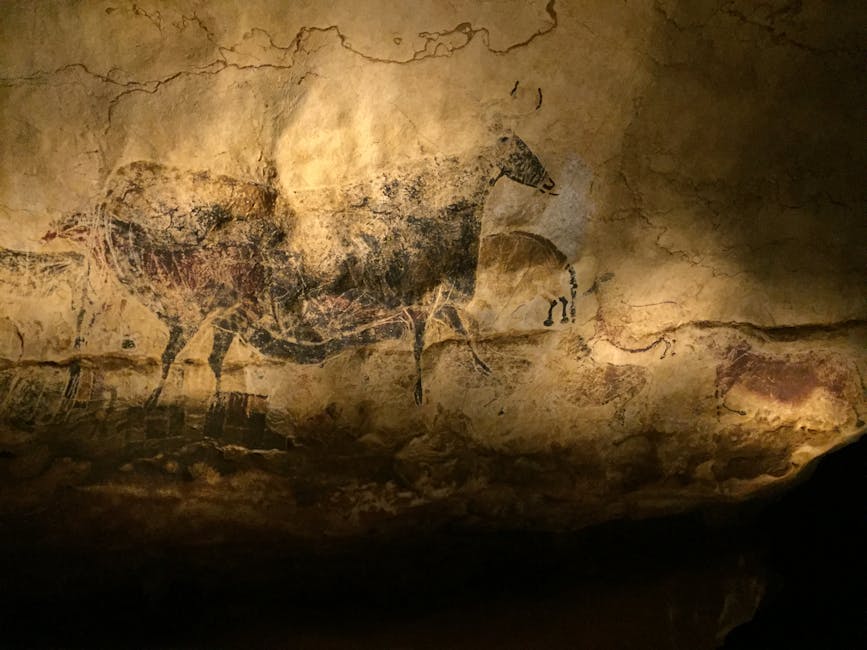
- Altamira cave in Spain houses ancient paintings over 20,000 years old, featuring extinct animals.
- Diego Garate Maidagan, a prehistory professor, is a leading expert on these Palaeolithic artworks.
- The cave paintings in Altamira depict various animals like aurochs, mammoths, and steppe bison.
- Discovered in the late 19th century, Altamira’s full significance wasn’t recognized until the 20th century.
- These artworks provide invaluable insights into the lives and artistic skills of early human societies.
Diego Garate Maidagan, a leading expert on prehistoric art, has spent his career studying the ancient cave paintings of northern Spain. For tens of thousands of years, these Palaeolithic artworks were hidden from the world, but when they were rediscovered, onlookers were amazed by their vivid beauty. The aurochs, the mammoth, and the steppe bison, all long extinct, still look relatively fresh across the walls and roofs of Altamira, a cave in northern Spain that Garate has had the privilege to enter.
Unveiling the Secrets of Altamira

Located in the heart of northern Spain, Altamira is a treasure trove of prehistoric art. The cave’s walls and ceilings are adorned with intricate paintings of animals, including horses, deer, and bison. These artworks are not only remarkable for their beauty but also for their age, with some dating back over 20,000 years. Garate, a professor of prehistory, has spent years studying these paintings and has gained a deep understanding of their significance and importance.
A Journey Through Time

The story of Altamira’s discovery is a fascinating one. The cave was first discovered in the late 19th century, but it wasn’t until the 20th century that the paintings were fully appreciated. Garate’s journey into the world of prehistoric art began many years ago, and he has since become one of the leading experts in the field. His knowledge and passion for the subject are evident as he guides visitors through the cave, pointing out the intricate details and sharing his insights into the lives of the people who created these incredible artworks.
The Artists Behind the Paintings

So who were the people behind these incredible paintings? Garate believes that the artists were likely members of a small community of hunter-gatherers who lived in the area. These individuals were skilled artists, using a range of techniques to create the intricate designs and patterns that adorn the cave walls. Their motivations for creating these artworks are still unclear, but Garate suggests that they may have been used for ceremonial or ritual purposes.
The Significance of the Paintings

The paintings at Altamira are not only significant for their beauty but also for what they reveal about the lives of our ancient ancestors. They provide a unique glimpse into the past, showing us what life was like for the people who lived in this region thousands of years ago. The paintings also demonstrate a high level of artistic skill and creativity, challenging our assumptions about the capabilities of early humans. As Garate notes, these paintings are a testament to the ingenuity and creativity of our ancestors, and they continue to inspire and fascinate us today.
The Bigger Picture
The discovery of the cave paintings at Altamira has had a significant impact on our understanding of prehistoric art and culture. The paintings have been recognized as a UNESCO World Heritage Site, acknowledging their importance and significance. As we continue to learn more about these incredible artworks, we are reminded of the importance of preserving our cultural heritage for future generations. The paintings at Altamira are a powerful reminder of the creativity and ingenuity of our ancestors, and they continue to inspire and fascinate us today.
As we look to the future, it is clear that the cave paintings at Altamira will continue to be an important part of our cultural heritage. Efforts are being made to preserve the paintings and protect the cave from damage, ensuring that these incredible artworks will be available for future generations to enjoy. As Garate notes, the paintings at Altamira are a treasure that belongs to us all, and it is our responsibility to protect and preserve them for the future. To learn more about the conservation efforts, visit the Nature website for the latest updates on the project.
Source: The Guardian