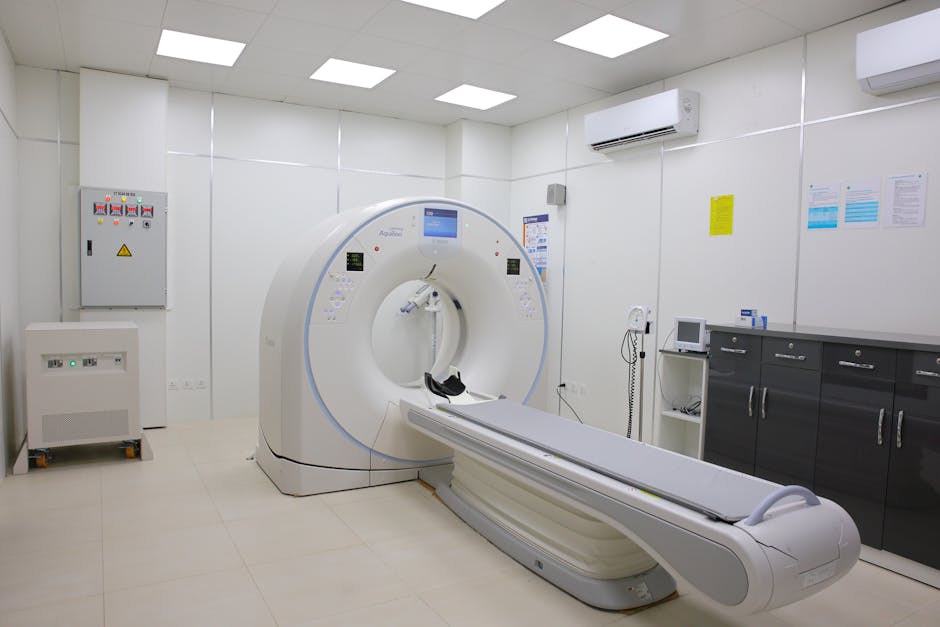
- A new portable PET scanner offers real-time imaging for guiding complex medical procedures with high precision.
- The device can image any organ, enhancing clinical efficiency in constrained environments like hospitals.
- Studies show the scanner improves procedural accuracy, reducing risks and enhancing patient outcomes.
- Collaboration between researchers, engineers, and clinicians led to this innovative medical imaging technology.
- Real-time imaging allows for adjustments during procedures, potentially minimizing complications.
The introduction of a portable, point-of-care PET scanner is set to revolutionize the field of interventional procedures, enabling real-time imaging and high-quality results for guiding biopsies, tumor ablations, and other complex operations. Developed to address the limitations of traditional PET scanners, this innovative technology can image any organ, delivering precise visual feedback to clinicians. As a result, hospitals can now perform procedures in constrained clinical environments more efficiently and effectively.
Evidence of Effectiveness

Studies have demonstrated the efficacy of this bedside PET scanner in providing high-quality images, allowing clinicians to navigate complex anatomical structures with greater precision. With real-time visual feedback, medical professionals can adjust their approach during procedures, reducing the risk of complications and improving patient outcomes. According to National Institutes of Health research, the use of real-time imaging technologies like this PET scanner can significantly enhance the accuracy of interventional procedures.
Key Players and Roles

The development of this point-of-care PET technology involves collaboration between medical researchers, engineers, and clinicians. Companies like GE Healthcare and research institutions such as the National Institutes of Health play crucial roles in advancing this technology. Recent moves by these organizations to invest in R&D and clinical trials have paved the way for the widespread adoption of this innovative PET scanner.
Trade-Offs and Considerations

While the bedside PET scanner offers numerous benefits, including cost-effectiveness and enhanced precision, there are also potential trade-offs to consider. The high upfront cost of the technology may be a barrier for some hospitals, and the need for specialized training for clinicians may also be a challenge. However, the long-term benefits of improved patient outcomes and reduced complications are likely to outweigh these costs. As the technology continues to evolve, we can expect to see further refinements and cost reductions.
Timing and Market Trends

The introduction of this portable PET scanner comes at a time when the demand for minimally invasive procedures is on the rise. As the global population ages and the prevalence of chronic diseases increases, the need for efficient and effective interventional procedures will continue to grow. According to a report by MarketsandMarkets, the market for point-of-care diagnostic devices is expected to expand significantly in the next five years, driven by advances in technology and increasing adoption by healthcare providers.
Where We Go From Here
Looking ahead to the next 6-12 months, there are several potential scenarios for the adoption and development of this bedside PET scanner technology. One possible scenario is widespread adoption by major hospitals and healthcare systems, driven by the technology’s proven clinical benefits and cost-effectiveness. Another scenario is the emergence of new competitors in the market, driving innovation and further reducing costs. A third scenario is the expansion of the technology’s applications beyond interventional procedures, into areas such as cancer diagnosis and treatment.
In conclusion, the innovative bedside PET scanner is poised to revolutionize the field of interventional procedures, enabling real-time imaging and high-quality results for guiding complex operations. With its potential to improve patient outcomes, reduce complications, and enhance clinical efficiency, this technology is likely to have a significant impact on the healthcare industry in the years to come.
Source: MedicalXpress