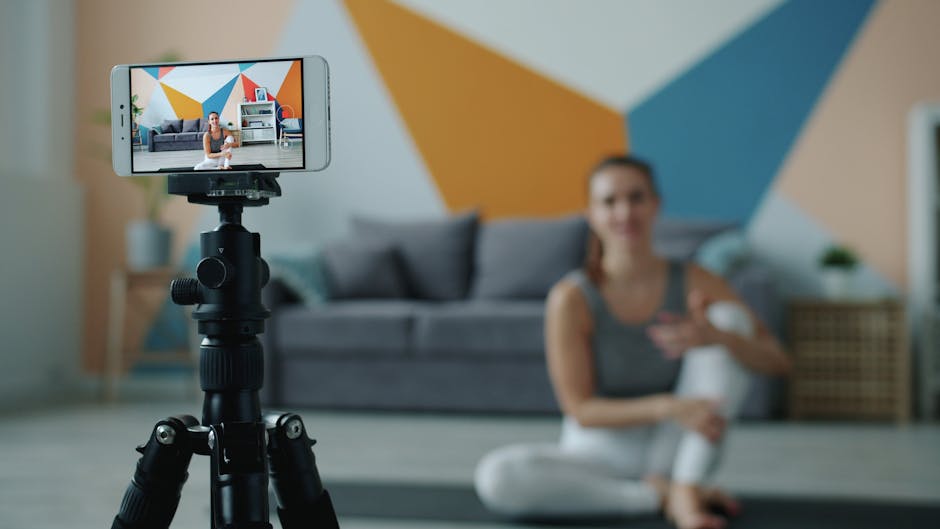
- Doctors should understand the appeal of wellness influencers to effectively address their impact on patient health.
- Dismissing wellness influencers outright can be counterproductive and harm patients who may be misled by unproven treatments.
- The medical community must take a nuanced approach to dealing with the influence of social media on patient health.
- Wellness influencers may promote unproven and potentially harmful treatments, putting patients’ health at risk.
- Patients may be misled into trying unproven treatments due to the lack of scientific evidence to support wellness influencers’ claims.
Cancer specialist Ranjana Srivastava has seen firsthand the harm caused by wellness influencers on social media. Despite the dangers, Srivastava believes that dismissing these influencers outright can be perilous for patients. In her experience, outrage and criticism rarely change patients’ minds, and instead, doctors should strive to understand the appeal of wellness influencers and address the underlying issues. As a result, Srivastava argues that the medical community must take a more nuanced approach to dealing with the influence of social media on patient health.
The Rise of Wellness Influencers

The rise of wellness influencers on social media has been meteoric, with many amassing large followings and promoting various health and wellness products and lifestyles. While some of these influencers may provide useful advice and support, others promote unproven and potentially harmful treatments and remedies. For example, some wellness influencers have been known to promote the idea that certain foods or supplements can cure cancer, despite a lack of scientific evidence to support such claims. As a result, patients may be misled into trying unproven treatments, which can have serious consequences for their health.
Key Details of the Problem

Srivastava’s experience with patients who have been influenced by wellness influencers is telling. In one case, a patient had stopped eating red meat, citing the advice of a wellness influencer, despite the fact that the patient was undergoing treatment for anemia and required a diet rich in iron. This kind of anecdote highlights the potential dangers of wellness influencers, who may prioritize their own interests and agendas over the well-being of their followers. Furthermore, the fact that patients are often drawn to wellness influencers due to a sense of desperation and lack of trust in the medical community only serves to exacerbate the problem.
Analysis of the Issue

So why do wellness influencers hold such sway over patients, and what can doctors do to counter their influence? According to Srivastava, the answer lies in understanding the underlying factors that drive patients to seek out alternative sources of health advice. In many cases, patients may feel disillusioned with the medical community or may be seeking a sense of control and empowerment over their health. By acknowledging and addressing these concerns, doctors can begin to rebuild trust with their patients and provide them with accurate and reliable information about their health. Additionally, doctors can work to educate patients about the potential dangers of wellness influencers and the importance of relying on evidence-based medical advice.
Implications for Patient Health

The implications of the wellness influencer phenomenon for patient health are significant. If left unchecked, the influence of wellness influencers could lead to a decline in public health outcomes, as patients become increasingly misled by unproven and potentially harmful treatments. Furthermore, the erosion of trust in the medical community could have far-reaching consequences, as patients become more likely to seek out alternative sources of health advice and less likely to adhere to evidence-based treatment plans. As a result, it is essential that doctors and other healthcare professionals take a proactive approach to addressing the influence of wellness influencers and promoting accurate and reliable health information.
Expert Perspectives
Experts in the field of health communication agree that the influence of wellness influencers is a complex issue that requires a nuanced approach. According to World Health Organization guidelines, healthcare professionals should strive to provide patients with accurate and reliable information about their health, while also acknowledging the potential benefits of alternative sources of health advice. By taking a balanced and empathetic approach, doctors can work to rebuild trust with their patients and promote better health outcomes. As Srivastava notes, this may involve engaging with patients in a more open and honest way, and being willing to listen to their concerns and address their questions.
Looking to the future, it is clear that the influence of wellness influencers will continue to be a major issue for the medical community. As social media continues to evolve and new platforms emerge, the potential for misinformation and harm will only increase. As a result, it is essential that doctors and other healthcare professionals remain vigilant and proactive in promoting accurate and reliable health information. By working together to address the influence of wellness influencers, we can promote better health outcomes and ensure that patients receive the care and support they need to thrive.
Source: The Guardian