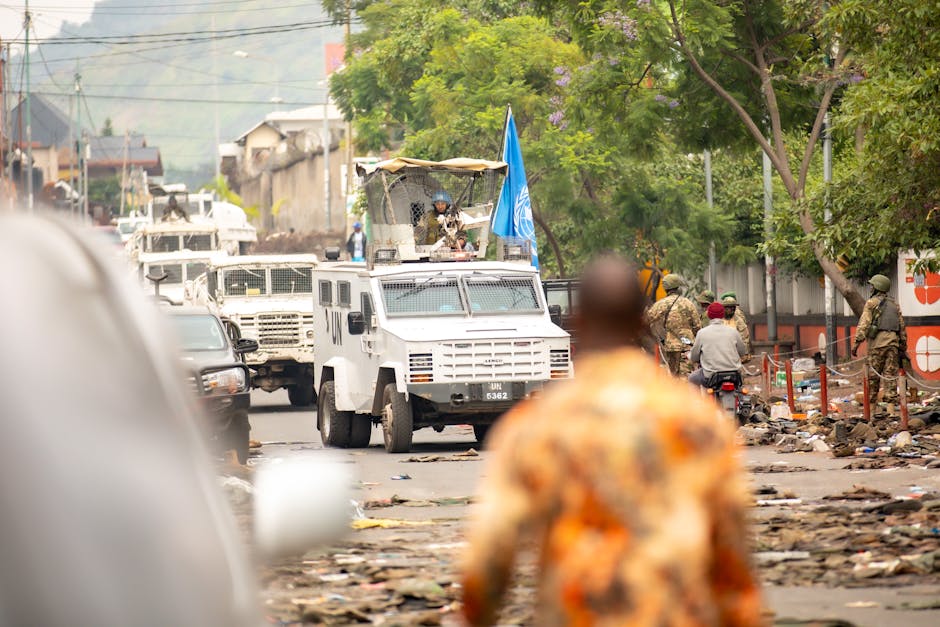
- Israel’s advance beyond the Litani River is challenging the established peacekeeping boundaries in the region.
- The effectiveness of UNIFIL, a long-standing peacekeeping force, is now being heavily scrutinized by Lebanese citizens.
- The invasion has sparked a debate about UNIFIL’s role, mandate, and ability to prevent future escalations in the conflict.
- The international community is closely observing the situation as a key test of the UN’s peacekeeping capabilities.
- UNIFIL’s limited mandate and resources are being cited as potential factors contributing to its inability to halt the Israeli advance.
As Israel pushes past the Litani River, Lebanese citizens are questioning the purpose and effectiveness of the United Nations Interim Force in Lebanon (UNIFIL), a peacekeeping force established to maintain peace and security in the region. The invasion has raised concerns about the ability of UNIFIL to prevent such incidents and has sparked debate about its role in the conflict. With the international community watching, the situation has become a significant test of UNIFIL’s credibility and the United Nations’ ability to maintain peace in the region.
What is UNIFIL’s Role in the Conflict?

UNIFIL was established in 1978 to confirm the withdrawal of Israeli forces from Lebanon, restore international peace and security, and assist the Lebanese government in maintaining its authority. The force has been present in the region for over four decades, with its mandate renewed annually by the UN Security Council. However, the recent invasion by Israel has raised questions about UNIFIL’s ability to fulfill its mandate and prevent such incidents. The force’s inability to halt the invasion has sparked concerns about its effectiveness and the need for a reevaluation of its role in the conflict.
Evidence of UNIFIL’s Ineffectiveness

Despite its presence in the region, UNIFIL has been criticized for its inability to prevent the invasion. The force’s lack of action has been attributed to its limited mandate and resources, as well as the complex nature of the conflict. According to a report by Al Jazeera, the Israeli military has been able to push past the Litani River with relative ease, highlighting the ineffectiveness of UNIFIL’s efforts to maintain peace and security in the region. The report also cites concerns from local residents, who feel that UNIFIL’s presence has not improved their security or livelihoods.
Counter-Perspectives on UNIFIL’s Role

While some have criticized UNIFIL’s inability to prevent the invasion, others argue that the force is doing its best with the resources it has. According to a statement by the United Nations, UNIFIL has been working to maintain peace and security in the region, despite the challenges it faces. The statement also highlights the need for a diplomatic solution to the conflict, emphasizing that a lasting peace can only be achieved through negotiations between the parties involved. However, skeptics argue that UNIFIL’s presence has become a mere formality, with the force unable to take decisive action to prevent incidents like the recent invasion.
Real-World Impact of UNIFIL’s Ineffectiveness

The consequences of UNIFIL’s inability to prevent the invasion are far-reaching. The incident has raised tensions in the region, with concerns about the potential for further escalation. According to a report by Reuters, the invasion has also had a significant impact on local residents, who are facing displacement and economic hardship. The report cites concerns from humanitarian organizations, which are working to provide aid to those affected by the conflict. The situation has become a significant challenge for the international community, which must now consider how to address the ineffectiveness of UNIFIL and prevent further incidents.
What This Means For You
The situation in Lebanon has significant implications for the international community. As the conflict continues to escalate, it is essential to consider the role of UNIFIL and the need for a reevaluation of its mandate and resources. The incident has raised concerns about the effectiveness of peacekeeping forces in general, highlighting the need for a more nuanced approach to conflict resolution. As the situation continues to unfold, it is crucial to stay informed about the developments and to consider the potential consequences of UNIFIL’s ineffectiveness.
As the international community watches the situation in Lebanon, a key question remains: what will happen next? Will the United Nations be able to reevaluate UNIFIL’s mandate and provide the necessary resources to prevent further incidents, or will the conflict continue to escalate? The answer to this question will have significant implications for the region and the world, highlighting the need for a comprehensive and diplomatic solution to the conflict.
Source: Al Jazeera