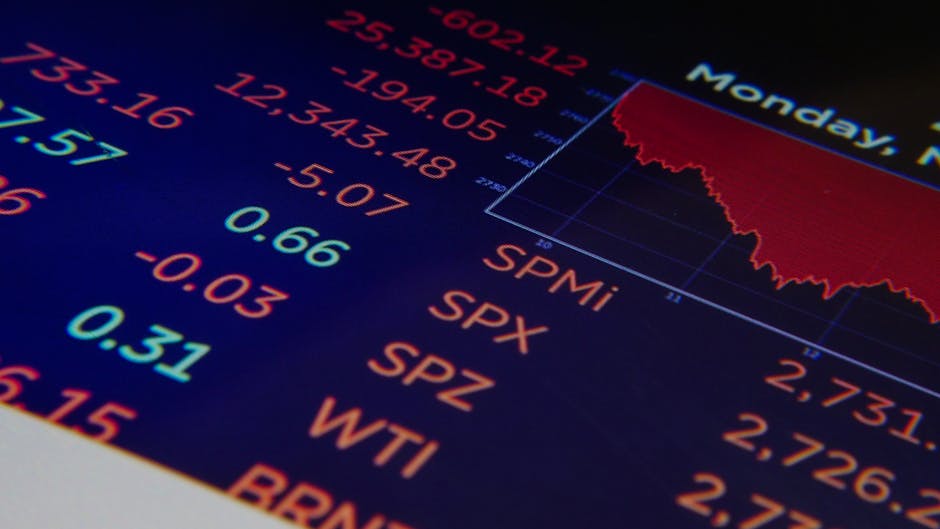
- European stocks rebounded with a 1.2% gain, driven by investors’ anticipation of key inflation data.
- The release of inflation data is expected to provide insight into the war’s effects on global economy and price increases.
- Investors remain cautious, with the European Central Bank’s decision to maintain interest rates contributing to market uncertainty.
- European stocks have shown resilience despite increased volatility due to the U.S.-Iran conflict.
- Abivax shares have tumbled, highlighting the vulnerability of certain sectors to geopolitical tensions and economic instability.
European stocks have rebounded, with the Stoxx 600 index rising by 1.2%, as investors eagerly await the release of key inflation data that will provide further insight into the economic impact of the ongoing U.S.-Iran war. The eagerly anticipated data is expected to shed light on the war’s effects on the global economy, particularly in regards to price increases and supply chain disruptions. As investors remain cautious, the inflation data will be closely watched to determine its potential influence on monetary policy and market trends.
Current Market Trends

The current market situation is characterized by increased volatility, with investors navigating the complexities of the U.S.-Iran conflict. The European Central Bank’s recent decision to maintain interest rates has also contributed to market uncertainty. Despite these challenges, European stocks have shown resilience, with the Stoxx 600 index experiencing a moderate gain. However, Abivax shares have tumbled, highlighting the vulnerability of certain sectors to geopolitical tensions and economic instability. As the inflation data release approaches, investors are bracing themselves for potential market fluctuations, with some analysts predicting a significant impact on stock prices and trade volumes.
Historical Context

The U.S.-Iran war has its roots in a long-standing history of tensions between the two nations, with the current conflict exacerbating existing economic concerns. The war has resulted in increased oil prices, disrupted global supply chains, and heightened fears of a broader conflict. In this context, the upcoming inflation data will be closely scrutinized to assess the war’s economic implications and potential long-term effects on global markets. The data will also provide insight into the effectiveness of monetary policies implemented by central banks to mitigate the war’s economic consequences. By examining the historical context of the conflict, investors can better understand the complex interplay of factors influencing the current market trends and make more informed decisions.
Key Players and Motivations

The key players in the current market scenario include investors, policymakers, and corporate leaders, each with their own motivations and concerns. Investors are primarily focused on navigating the uncertain market landscape and minimizing potential losses. Policymakers, on the other hand, are working to implement effective monetary policies that can stabilize the economy and mitigate the war’s economic consequences. Corporate leaders are striving to maintain business continuity and adapt to the changing market conditions. As the inflation data release approaches, these stakeholders will be closely watching the developments, with their motivations and actions influencing the market’s trajectory. The interplay between these key players will be crucial in determining the market’s response to the inflation data and the broader economic implications of the U.S.-Iran war.
Economic Consequences

The economic consequences of the U.S.-Iran war and the upcoming inflation data release will be far-reaching, with potential impacts on various sectors and industries. The war has already resulted in increased oil prices, which may lead to higher production costs and reduced consumer spending. The inflation data will provide further insight into these trends, enabling investors and policymakers to assess the war’s economic implications and develop strategies to mitigate its effects. As the market responds to the inflation data, stakeholders will need to be prepared for potential fluctuations in stock prices, trade volumes, and currency exchange rates. The economic consequences of the war and the inflation data release will be closely watched, with significant implications for global economic stability and growth.
The Bigger Picture
The current market trends and the upcoming inflation data release are part of a larger narrative, with the U.S.-Iran war representing a significant geopolitical shift. The war’s economic implications will be felt globally, with potential long-term effects on international trade, economic growth, and global stability. As investors and policymakers navigate the complex market landscape, they will need to consider the broader context of the war and its potential consequences. The inflation data release will be a critical component of this narrative, providing insight into the war’s economic effects and informing decisions on monetary policy, investment strategies, and business operations. By examining the bigger picture, stakeholders can better understand the complex interplay of factors influencing the current market trends and develop effective strategies to mitigate the war’s economic consequences.
As the market awaits the release of the inflation data, investors and policymakers will be watching closely for signs of economic stability or instability. The data will provide a crucial indicator of the war’s economic implications, enabling stakeholders to make informed decisions and develop effective strategies to navigate the uncertain market landscape. With the potential for significant market fluctuations and economic consequences, the upcoming inflation data release will be a critical moment in the ongoing narrative of the U.S.-Iran war and its economic implications.
Source: CNBC