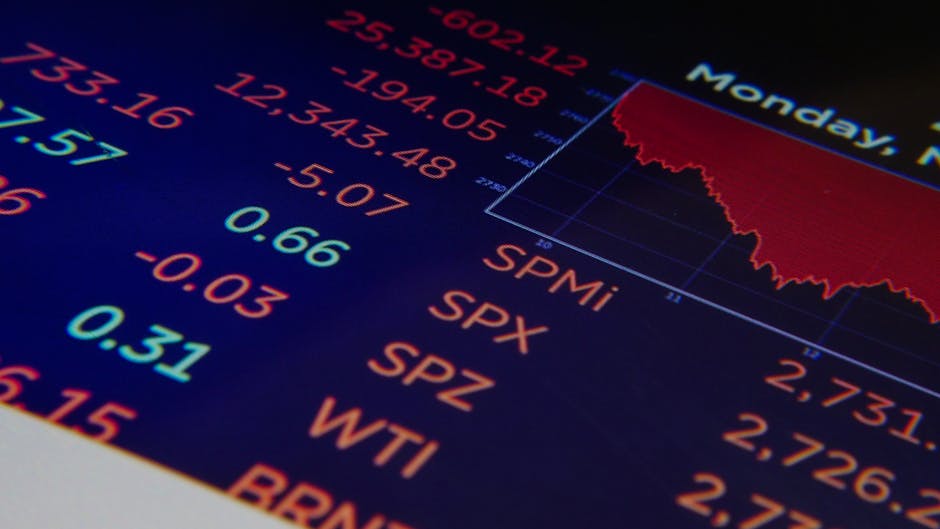
- Asia-Pacific stocks fell 1% due to renewed uncertainty over US-Iran peace negotiations.
- Investors are closely watching the situation, causing market volatility and keeping them on edge.
- The Hang Seng Index experienced a significant drop, reflecting market concerns about US-Iran tensions.
- Uncertainty surrounding US-Iran negotiations is expected to continue in the coming days.
- Investors should stay informed about the latest developments to make informed decisions.
What’s driving the decline in Asia-Pacific stocks, and why should investors care about the latest developments in US-Iran relations? The answer lies in the renewed uncertainty over US-Iran peace negotiations, which has sparked market volatility and kept investors on edge. On Tuesday, Asia-Pacific markets traded lower, with the Kospi and Nikkei 225 indexes experiencing significant declines. This shift in market sentiment is a clear indication that investors are closely watching the situation unfold, and its impact on the global economy.
Understanding the Impact of US-Iran Tensions on Asia-Pacific Markets

The current decline in Asia-Pacific stocks can be directly attributed to the uncertainty surrounding US-Iran peace negotiations. As investors weigh the potential outcomes of these negotiations, they are becoming increasingly cautious, leading to a decrease in stock prices. The Hang Seng Index, for example, has experienced a significant drop, reflecting the market’s concerns about the potential consequences of escalating tensions between the US and Iran. According to CNBC reports, this uncertainty is expected to continue in the coming days, making it essential for investors to stay informed about the latest developments.
Examining the Evidence: Market Data and Expert Insights

A closer look at the market data reveals that the decline in Asia-Pacific stocks is not an isolated incident. In fact, it’s part of a larger trend, with many investors expressing concerns about the potential impact of US-Iran tensions on the global economy. As noted by experts, the current situation is reminiscent of past instances where geopolitical tensions have led to significant market volatility. According to Reuters, the ongoing uncertainty is expected to continue influencing market sentiment, making it crucial for investors to stay up-to-date with the latest news and analysis.
Counter-Perspectives: Alternative Views on the Market Impact

While many investors are cautious about the potential consequences of US-Iran tensions, some experts argue that the impact on Asia-Pacific markets may be overstated. They point to the region’s resilience in the face of past geopolitical challenges, suggesting that the current decline in stocks may be a temporary correction. However, others counter that the unique circumstances surrounding the US-Iran situation warrant a more cautious approach, highlighting the need for investors to carefully consider the potential risks and opportunities. As the situation continues to unfold, it’s essential to consider multiple perspectives and stay informed about the latest developments.
Real-World Impact: Consequences for Investors and the Global Economy

The decline in Asia-Pacific stocks has significant consequences for investors and the global economy. As market volatility increases, investors may become more risk-averse, leading to a decrease in investment activity and potentially impacting economic growth. Furthermore, the ongoing uncertainty surrounding US-Iran relations may lead to increased tensions in other regions, exacerbating the already complex geopolitical landscape. In this context, it’s essential for investors to remain vigilant and adapt their strategies to respond to the changing market conditions.
What This Means For You
So, what can investors take away from the current situation? The key takeaway is that staying informed and up-to-date is crucial in navigating the complex and ever-changing market landscape. By closely monitoring the latest developments in US-Iran relations and their impact on Asia-Pacific markets, investors can make more informed decisions and adjust their strategies to respond to the shifting market conditions. As the situation continues to unfold, it’s essential to remain cautious and consider multiple perspectives before making any investment decisions.
As the US-Iran peace negotiations continue, one question remains: what’s next for Asia-Pacific markets, and how will investors respond to the ongoing uncertainty? The answer will depend on various factors, including the outcome of the negotiations and the subsequent impact on the global economy. As investors wait with bated breath, one thing is clear: the need for ongoing vigilance and a deep understanding of the complex forces shaping the market landscape.
Source: CNBC