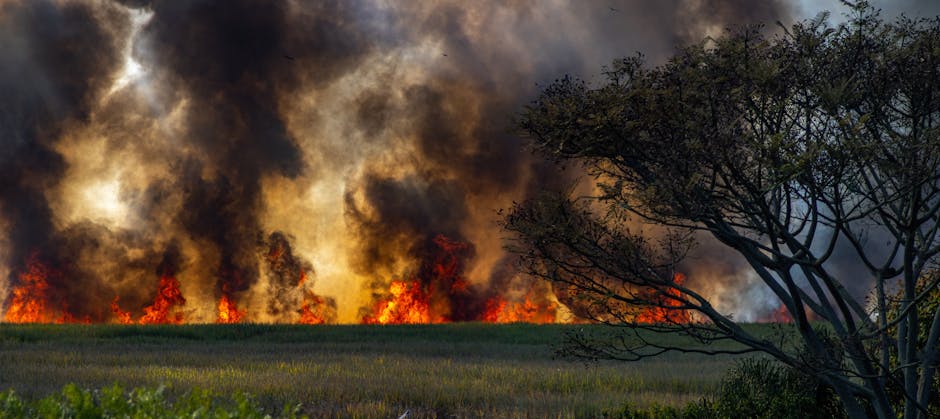
- Wealthier regions like California, Canada, Europe, and South Korea experienced more catastrophic wildfires in 2025 despite a global decrease in total area burned.
- Megafires in affluent areas claimed lives, homes, and jobs, highlighting the vulnerability of these regions to severe wildfire events.
- The reduction in total global wildfire footprint is partly due to changes in land use, such as the expansion of agriculture in Africa.
- Governments in affected countries have increased funding for fire prevention and management to tackle escalating wildfire challenges.
- Key actors, including international researchers, have analyzed satellite imagery and ground-based observations to track wildfire trends.
In 2025, a study published in the journal Nature revealed a stark contrast in the impact of wildfires: while the total area burned globally decreased, wealthier regions such as California, Canada, Europe, and South Korea experienced more catastrophic blazes. These ‘megafires’ claimed lives, homes, and jobs, underscoring the vulnerability of affluent areas to severe wildfire events despite a reduction in the total global footprint.
Global Trends in Wildfire Incidence

The study, conducted by an international team of researchers, analyzed data from satellite imagery and ground-based observations to track the extent and intensity of wildfires globally. According to the findings, the 335 million hectares burned in 2025 was the second-lowest figure since 2002. This reduction is largely attributed to changes in land use, particularly the expansion of agriculture in parts of Africa, which has fragmented landscapes and hindered the spread of large savannah fires. However, the shift in the geographic distribution of wildfires has raised concerns about the increasing frequency and severity of fires in more developed regions.
The Role of Key Actors

Several key actors have played significant roles in the recent wildfire trends. Governments in affected countries, such as the United States and Canada, have increased funding for fire prevention and management. For instance, the U.S. Forest Service allocated an additional $1 billion for wildfire mitigation efforts in 2025. Additionally, private organizations and tech companies have invested in advanced fire detection and response systems. In Europe, the European Union’s Civil Protection Mechanism has been instrumental in coordinating cross-border firefighting efforts, deploying resources and personnel to combat fires in countries like Greece and Spain. The study also highlights the role of local communities and their preparedness strategies, which can significantly influence the impact of wildfires.
Costs and Benefits of Changing Land Use

The expansion of agriculture in Africa, while reducing the area burned by wildfires, has not been without costs. The fragmentation of landscapes has led to a loss of biodiversity and disrupted ecosystems. However, the benefits include improved food security and economic development in rural areas. In contrast, the wealthier regions that experienced more severe wildfires have faced significant economic and social costs. For example, in California, the 2025 wildfire season resulted in billions of dollars in damages and displaced thousands of people. The study suggests that while the global reduction in burned area is positive, the concentration of severe fires in developed regions highlights the need for more targeted and effective fire management strategies.
The Timing and Recent Changes

The timing of these changes is particularly significant given the ongoing impacts of climate change. Rising global temperatures and more frequent heatwaves have created conditions that are conducive to wildfires, especially in regions with dense populations and valuable infrastructure. The study found that the reduction in burned area in Africa is a recent trend, emerging over the past decade due to increased agricultural activities. This shift has coincided with more intense and destructive fires in wealthier regions, where climate change has exacerbated existing vulnerabilities. The researchers emphasize that understanding these trends is crucial for developing adaptive strategies to mitigate the risks of future wildfires.
Where We Go From Here
Looking ahead, three potential scenarios could unfold over the next 6-12 months. First, continued climate change could lead to more extreme weather conditions, further increasing the risk of severe wildfires in developed regions. Second, increased investment in fire prevention and response technologies might help reduce the frequency and intensity of these events. Finally, global cooperation and knowledge sharing, particularly between developed and developing countries, could enhance the effectiveness of wildfire management strategies. Each scenario will depend on the actions taken by governments, communities, and international organizations.
The bottom line is clear: while the global reduction in burned area is a positive trend, the disproportionate impact on wealthier regions underscores the need for more localized and adaptive fire management practices. Addressing the intersection of climate change, land use, and socioeconomic factors will be crucial in reducing the devastating effects of wildfires in the future.
Source: The Guardian