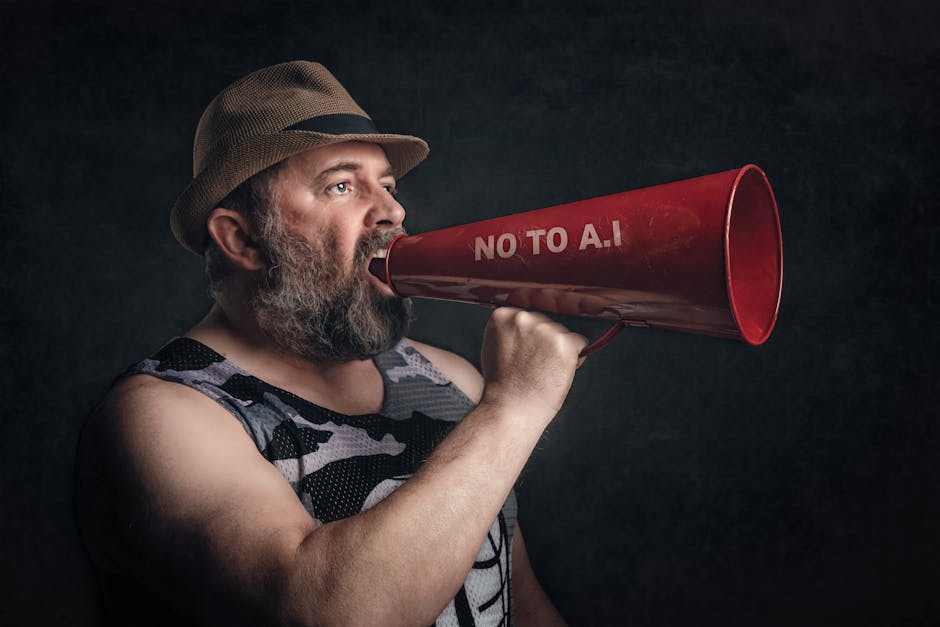
- The UK government plans to utilize AI facial recognition to estimate the ages of disputed young asylum seekers.
- Over 100 refugee children’s organizations are protesting the implementation of this AI age assessment technology.
- Concerns exist that the AI could inaccurately identify children as adults, leading to wrongful detention in adult facilities.
- Charities cite potential inaccuracies due to variations in physical development and possible biases within the AI system.
- Misidentification could expose vulnerable young asylum seekers to exploitation and abuse within adult detention settings.
The UK government’s plan to use artificial intelligence to assess the age of young asylum seekers has sparked controversy among charities, who warn that the technology could lead to more children being wrongly detained in adult facilities. The Home Office has announced a contract to roll out AI facial age estimation technology on young asylum seekers whose age is disputed, prompting a coalition of over 100 refugee children’s organisations to speak out against the move.
What’s Behind the Controversy?

The use of AI to assess the age of young asylum seekers is a complex issue, with many organisations expressing concerns about the accuracy and reliability of the technology. The charities argue that the AI system could lead to more children being wrongly assessed as adults, resulting in them being detained in adult prisons or detention centres, where they may be at risk of exploitation and abuse. This could have serious consequences for the welfare and safety of these vulnerable individuals.
Supporting Evidence

According to the charities, there are several reasons why the AI age assessment technology is flawed. For example, the system may not be able to accurately account for variations in physical development among young people, particularly those who may have experienced trauma or malnutrition. Additionally, the technology may be biased towards certain ethnic or cultural groups, leading to inaccurate assessments. As noted by the Guardian, the Home Office has announced a contract to roll out the technology, despite these concerns.
Counter-Perspectives

Some argue that the use of AI to assess the age of young asylum seekers could help to streamline the process and reduce the risk of adults posing as children. However, the charities counter that this approach is overly simplistic and fails to take into account the complex needs and circumstances of young asylum seekers. They argue that a more nuanced and multi-faceted approach is needed, one that takes into account the individual circumstances of each child and provides them with the support and protection they need.
Real-World Impact

The use of AI to assess the age of young asylum seekers could have serious consequences for the individuals involved. If a child is wrongly assessed as an adult, they may be detained in an adult facility, where they may be at risk of exploitation and abuse. This could also have long-term consequences for their mental and physical health, as well as their ability to integrate into society. As noted by the United Nations Children’s Fund, the treatment of refugee children is a critical issue that requires a compassionate and nuanced approach.
What This Means For You
The controversy surrounding the UK’s plan to use AI to assess the age of young asylum seekers highlights the need for a more informed and nuanced discussion about the use of technology in this context. As a reader, it’s essential to be aware of the potential risks and consequences of this approach and to consider the ethical implications of using AI to make decisions about the lives of vulnerable individuals. By staying informed and engaged, you can help to ensure that the rights and dignity of refugee children are protected.
As the debate around the use of AI in age assessment continues, it’s essential to ask questions about the long-term consequences of this approach. What are the potential risks and benefits of using AI in this context, and how can we ensure that the rights and dignity of refugee children are protected? By exploring these questions and considering the perspectives of experts and advocates, we can work towards a more just and compassionate approach to the treatment of young asylum seekers.
Source: The Guardian