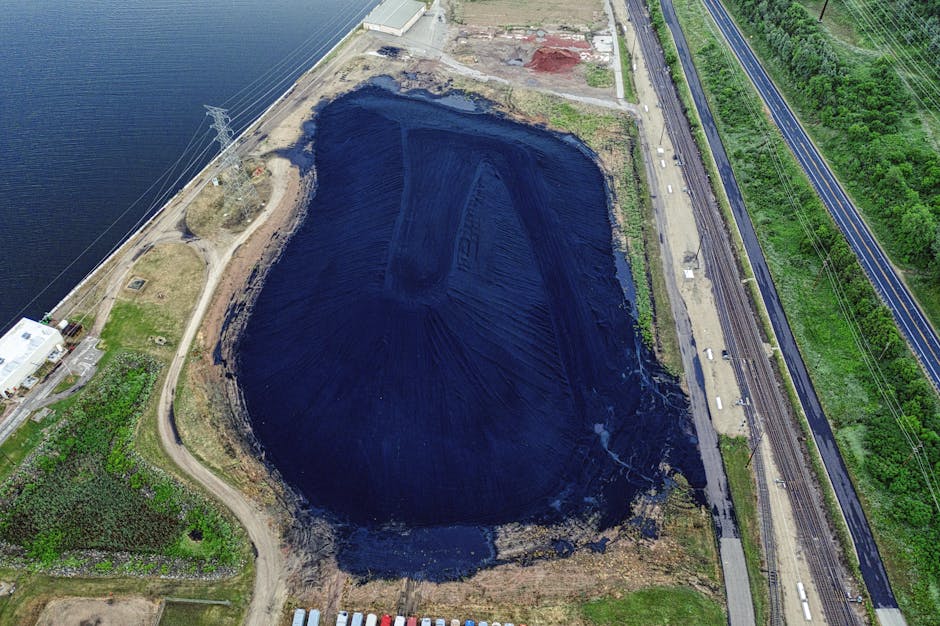
- The Trump administration seeks to weaken coal ash regulations, shifting monitoring and enforcement responsibilities to individual states.
- Environmental groups strongly oppose the changes, fearing they will jeopardize public health and environmental safety near coal ash sites.
- The 2015 coal ash rule aimed to prevent contamination from coal ash spills, a toxic byproduct of coal-fired power plants.
- The EPA’s proposed changes argue that state regulation is more efficient, while critics worry about inconsistent enforcement.
- This rollback has significant implications for both the coal industry and communities living near coal ash disposal facilities.
The Trump administration’s proposal to roll back coal ash regulations has sparked widespread opposition from environmental groups, who argue that the changes would put public health and the environment at risk. The proposed rules, announced by the Environmental Protection Agency (EPA), would allow states to take over the monitoring and enforcement of coal ash disposal, potentially bypassing national standards. This development has significant implications for the coal industry and the communities surrounding coal ash disposal sites.
Background and Context

The coal ash rule, established in 2015, was designed to regulate the disposal of coal ash, a toxic byproduct of coal-fired power plants. The rule aimed to prevent coal ash spills and spills, which can contaminate water sources and harm aquatic life. However, the Trump administration has argued that the rule is too burdensome and that states are better equipped to handle coal ash regulation. Environmental groups, on the other hand, contend that state-level regulation would lead to inconsistent and inadequate enforcement, putting public health and the environment at risk. As the EPA considers the proposed changes, it is essential to examine the potential consequences of such a shift.
Key Details of the Proposal

The proposed rule changes would give states the authority to develop their own coal ash disposal plans, which could potentially bypass national standards. This would allow states to set their own requirements for coal ash monitoring, groundwater protection, and closure of coal ash ponds. While the Trump administration argues that this approach would provide more flexibility and reduce regulatory burdens, environmental groups point out that it could lead to a patchwork of inconsistent and inadequate regulations. The New York Times reports that several states have already expressed concerns about the proposed changes, citing the potential for increased pollution and public health risks.
Analysis and Implications

The proposed coal ash rollbacks have significant implications for public health and the environment. Coal ash contains toxic substances like arsenic, lead, and mercury, which can contaminate water sources and harm aquatic life. If states are allowed to bypass national standards, it could lead to increased pollution and health risks for communities surrounding coal ash disposal sites. Furthermore, the proposed changes could also have economic implications, as the coal industry could potentially save millions of dollars in compliance costs. However, environmental groups argue that these savings would come at the expense of public health and the environment, and that the long-term costs of coal ash pollution could far outweigh any short-term gains.
Impact on Communities

The proposed coal ash rollbacks would have a disproportionate impact on low-income and minority communities, who are already disproportionately affected by environmental pollution. These communities often lack the resources and political influence to advocate for themselves, and may be left vulnerable to the negative impacts of coal ash pollution. As the Centers for Disease Control and Prevention notes, environmental pollution can have significant health impacts, particularly for vulnerable populations. It is essential that the EPA considers the potential consequences of the proposed changes on these communities and takes steps to mitigate any negative impacts.
Expert Perspectives
Environmental experts and advocacy groups are strongly opposing the proposed coal ash rollbacks, citing the potential risks to public health and the environment. According to a statement by the Sierra Club, the proposed changes would be a ‘disaster’ for communities surrounding coal ash disposal sites. On the other hand, industry groups argue that the proposed changes would provide much-needed flexibility and reduce regulatory burdens. As the debate continues, it is essential to consider the perspectives of all stakeholders and to prioritize public health and environmental protection.
Looking ahead, it is unclear what the final outcome of the proposed coal ash rollbacks will be. The EPA is currently accepting public comments on the proposed changes, and environmental groups are urging the public to speak out against the rollbacks. As the Ars Technica reports, the proposed changes have sparked a heated debate about the role of federal regulation in protecting public health and the environment. Ultimately, the outcome of this debate will have significant implications for the coal industry, communities surrounding coal ash disposal sites, and the environment as a whole.
Source: Ars Technica