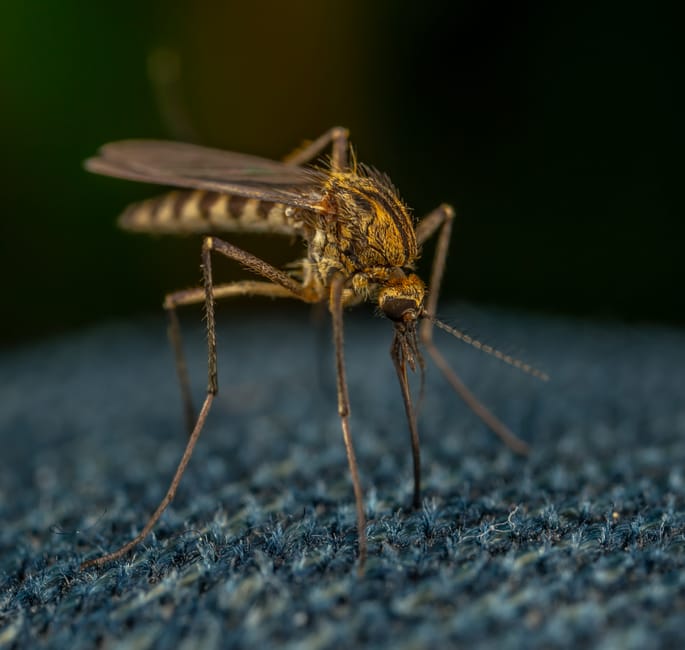
- Murray Valley encephalitis is a rare but potentially deadly disease caused by a virus transmitted through mosquito bites in northern Australia.
- There is no vaccine available for Murray Valley encephalitis, making prevention through mosquito bite protection crucial.
- Symptoms of Murray Valley encephalitis can range from mild to severe, including fever, headache, and vomiting, with severe cases leading to encephalitis.
- The recent outbreak in the Northern Territory has resulted in two deaths, prompting health authorities to issue warnings to residents and visitors.
- Peak mosquito breeding seasons, during dawn and dusk, are particularly high-risk periods for contracting the disease.
A recent outbreak of Murray Valley encephalitis in the Northern Territory has resulted in the deaths of two individuals from Alice Springs, prompting health authorities to issue warnings to residents and visitors to take precautions against mosquito bites. The disease, which can be fatal, has sparked concerns among health officials, who are urging people to take measures to protect themselves. With no vaccine available, it is essential for individuals to be aware of the risks and take necessary steps to prevent infection.
Understanding Murray Valley Encephalitis

Murray Valley encephalitis is a rare but potentially deadly disease caused by a virus transmitted through the bite of an infected mosquito. The disease is typically found in northern Australia, particularly in the Northern Territory and Western Australia. Symptoms can range from mild to severe and include fever, headache, and vomiting, with more severe cases leading to encephalitis, an inflammation of the brain. The recent outbreak has highlighted the importance of taking preventative measures, especially during peak mosquito breeding seasons.
Key Details of the Outbreak

According to health authorities, the two individuals who died from Murray Valley encephalitis were from Alice Springs, and their deaths have prompted a health alert in the region. Residents and visitors are being warned to avoid mosquito bites, especially during peak breeding hours, typically during dawn and dusk. Health officials are also urging people to take precautions such as wearing protective clothing, using insect repellents, and ensuring that mosquito breeding sites are eliminated. The outbreak has sparked concerns among local communities, with many residents taking steps to protect themselves and their families.
Analysis of the Disease

Experts believe that the recent outbreak of Murray Valley encephalitis is likely due to a combination of factors, including heavy rainfall and warm temperatures, which have created ideal breeding conditions for mosquitoes. The lack of a vaccine for the disease has also contributed to the concerns among health officials, who are relying on preventative measures to reduce the risk of infection. According to the World Health Organization, Murray Valley encephalitis is a significant public health concern, particularly in regions where the disease is endemic. Further research is needed to develop effective prevention and control strategies for the disease.
Implications of the Outbreak

The recent outbreak of Murray Valley encephalitis has significant implications for residents and visitors to the Northern Territory. With no vaccine available, individuals must take responsibility for protecting themselves against mosquito bites. The outbreak has also highlighted the need for increased awareness and education about the disease, particularly among high-risk groups such as the elderly and young children. Health authorities are working to provide information and resources to communities, including guidelines on how to prevent mosquito breeding and reduce the risk of infection.
Expert Perspectives
Experts in the field of public health are urging people to take the outbreak of Murray Valley encephalitis seriously and to take necessary precautions to protect themselves. According to Dr. Jeremy Ross, a leading expert in infectious diseases, “Murray Valley encephalitis is a potentially deadly disease that can have severe consequences if left untreated. It is essential for individuals to be aware of the risks and take steps to prevent infection.” The Centers for Disease Control and Prevention also provide guidelines on how to prevent mosquito-borne diseases, including Murray Valley encephalitis.
As the situation continues to unfold, it is essential for residents and visitors to the Northern Territory to remain vigilant and take necessary precautions to protect themselves against Murray Valley encephalitis. With the peak mosquito breeding season approaching, health authorities are urging people to take responsibility for their own safety and to be aware of the risks associated with the disease. As research continues to develop effective prevention and control strategies, individuals must remain informed and take steps to reduce their risk of infection.
Source: MedicalXpress