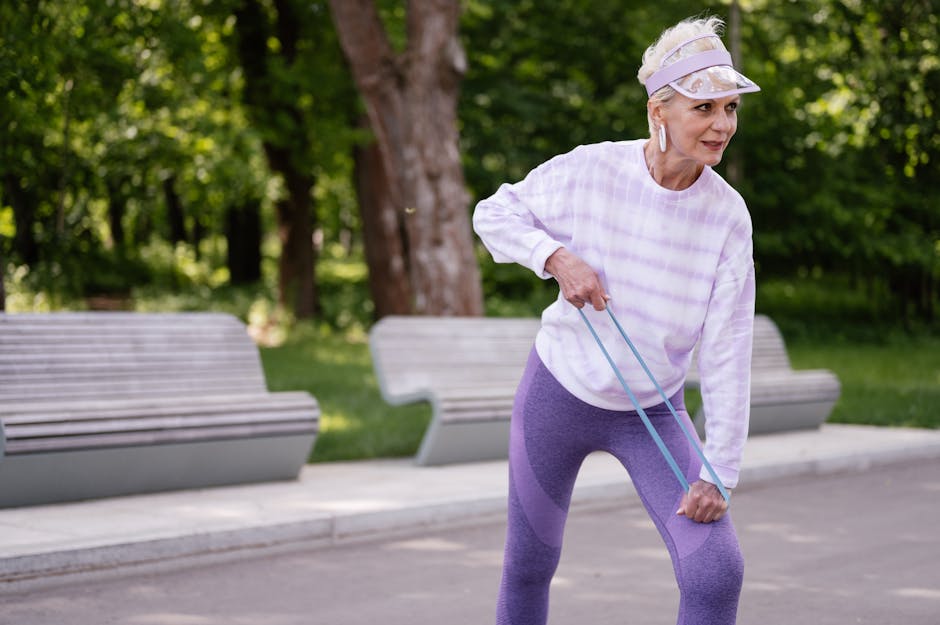
- Aging significantly impacts sensorimotor learning, affecting motor control and balance in older adults.
- Older adults experience a decline in explicit strategy and an increase in implicit adaptation with age.
- Sensorimotor learning is crucial for maintaining balance and coordinating movements, with age-related declines increasing fall risk.
- Understanding age-related changes in sensorimotor learning is essential for developing effective interventions for older adults.
- Implicit adaptation, or unconscious learning, becomes more prominent with age, replacing explicit strategy in motor control.
Researchers have found that aging significantly impacts sensorimotor learning, with older adults experiencing a decline in explicit strategy but an increase in implicit adaptation. This discovery sheds light on the effects of aging on motor control and sensorimotor learning, which are crucial for maintaining balance and coordinating movements. As the global population ages, understanding the changes that occur in sensorimotor learning is essential for developing effective interventions and improving the quality of life for older adults.
The Impact of Aging on Motor Control

Aging is associated with a gradual decline in motor control, which encompasses the ability to coordinate movements and maintain balance. This decline is well-documented, but the extent to which it affects sensorimotor learning remains unclear. Sensorimotor learning refers to the adaptation of movements based on information from the environment, and it is a critical component of motor control. As people age, their ability to adapt to new environments and learn new movements is impaired, which can increase the risk of falls and other motor-related accidents.
Changes in Sensorimotor Learning with Aging

Studies have shown that older adults exhibit changes in sensorimotor learning, including a decline in explicit strategy and an increase in implicit adaptation. Explicit strategy refers to the conscious processing of information, while implicit adaptation involves the unconscious adaptation of movements. This shift from explicit to implicit processing may be a compensatory mechanism, allowing older adults to adapt to new environments and learn new movements despite declines in motor control. However, the underlying mechanisms driving these changes are not yet fully understood and require further research.
Analysis of the Findings

The findings of the study have significant implications for our understanding of the effects of aging on sensorimotor learning. The decline in explicit strategy and increase in implicit adaptation suggest that older adults may rely more heavily on unconscious processing to adapt to new environments. This shift may be driven by changes in the brain, such as decreased cognitive processing speed and increased reliance on procedural memory. Further research is needed to fully understand the underlying mechanisms and to develop effective interventions to improve sensorimotor learning in older adults.
Implications for Older Adults

The changes in sensorimotor learning with aging have significant implications for older adults. The decline in explicit strategy and increase in implicit adaptation may affect an individual’s ability to perform daily activities, such as walking and balance. Additionally, the increased reliance on unconscious processing may increase the risk of falls and other motor-related accidents. Therefore, it is essential to develop effective interventions to improve sensorimotor learning in older adults, such as fall prevention programs and balance training exercises.
Expert Perspectives
Experts in the field of motor control and sensorimotor learning have varying perspectives on the changes that occur with aging. Some argue that the decline in explicit strategy and increase in implicit adaptation are adaptive mechanisms, allowing older adults to compensate for declines in motor control. Others suggest that these changes may be maladaptive, increasing the risk of falls and other motor-related accidents. Further research is needed to fully understand the implications of these changes and to develop effective interventions to improve sensorimotor learning in older adults.
As research continues to uncover the effects of aging on sensorimotor learning, it is essential to consider the broader implications of these findings. What does the future hold for older adults, and how can we develop effective interventions to improve their motor control and sensorimotor learning? These are questions that require further research and collaboration among experts in the field. By working together, we can develop a better understanding of the changes that occur with aging and improve the quality of life for older adults.
Source: MedicalXpress