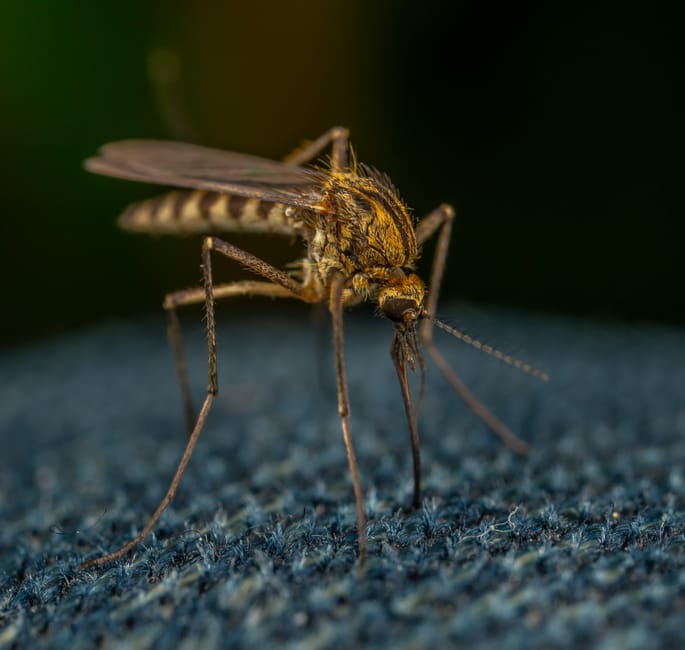
- Chikungunya virus infections have been experiencing a resurgence worldwide due to the spread of infected Aedes mosquitoes.
- Outbreaks have been reported in various regions, including Asia, Africa, and the Americas, with millions of people infected worldwide.
- The virus is characterized by high fever and intense joint swelling and pain, which can persist for months or even years after the initial onset of symptoms.
- Research suggests that some chikungunya infections may turn chronic, affecting patients for extended periods.
- The increasing global distribution of the Aedes mosquito species is expected to contribute to a rise in cases of the virus.
The chikungunya virus, transmitted by infected Aedes mosquitoes, has been making a resurgence in many countries around the world in recent years, characterized by high fever and intense joint swelling and pain, and now research suggests that some infections may turn chronic, affecting patients for months or even years after the initial onset of symptoms.
Current Outbreaks and Infection Rates

The current situation with chikungunya virus infections is alarming, with outbreaks reported in various parts of the world, including Asia, Africa, and the Americas, and according to the World Health Organization, the virus has been spreading rapidly, with millions of people infected worldwide, and the number of cases is expected to continue rising due to the increasing global distribution of the Aedes mosquito species that transmits the virus.
History of the Chikungunya Virus

The story behind the chikungunya virus is a long and complex one, with the virus first identified in Tanzania in 1952, and since then, it has been responsible for numerous outbreaks in various parts of the world, including a major outbreak in 2005-2006 that affected several Indian Ocean islands and India, and the virus has been spreading steadily since then, with the Centers for Disease Control and Prevention reporting an increasing number of cases in the United States in recent years.
Key Players in the Fight Against Chikungunya

The people involved in shaping the response to the chikungunya virus are numerous, including healthcare workers, researchers, and government officials, who are working together to develop effective treatments and prevention strategies, and organizations such as the World Health Organization and the Centers for Disease Control and Prevention are playing a crucial role in coordinating the global response to the virus, with their motivations driven by a desire to protect public health and prevent further spread of the disease.
Consequences of Chronic Chikungunya Infections

The consequences of chronic chikungunya infections are significant, with patients experiencing persistent joint pain and swelling, as well as fatigue and depression, and in some cases, the virus can also cause long-term damage to the joints and other organs, and the economic implications are also substantial, with the cost of treatment and lost productivity due to the disease expected to be considerable, and stakeholders, including healthcare systems and governments, will need to develop effective strategies to manage the disease and mitigate its impact.
The Bigger Picture
The chikungunya virus is just one example of the many diseases that are spread by mosquitoes, and the rise of chronic chikungunya infections highlights the need for a comprehensive approach to preventing and controlling these diseases, including the development of effective vaccines and treatments, as well as efforts to control the mosquito populations that transmit the viruses, and according to research, a better understanding of the complex interactions between the virus, the mosquito, and the human host is crucial to developing effective strategies to combat the disease.
In conclusion, the resurgence of the chikungunya virus and the potential for some infections to turn chronic is a serious concern that requires immediate attention, and as researchers and healthcare workers continue to study the virus and develop new treatments, it is essential that the public is aware of the risks and takes steps to protect themselves, including using insect repellents and wearing protective clothing, and by working together, we can hope to mitigate the impact of this disease and prevent further spread of the virus.
Source: MedicalXpress