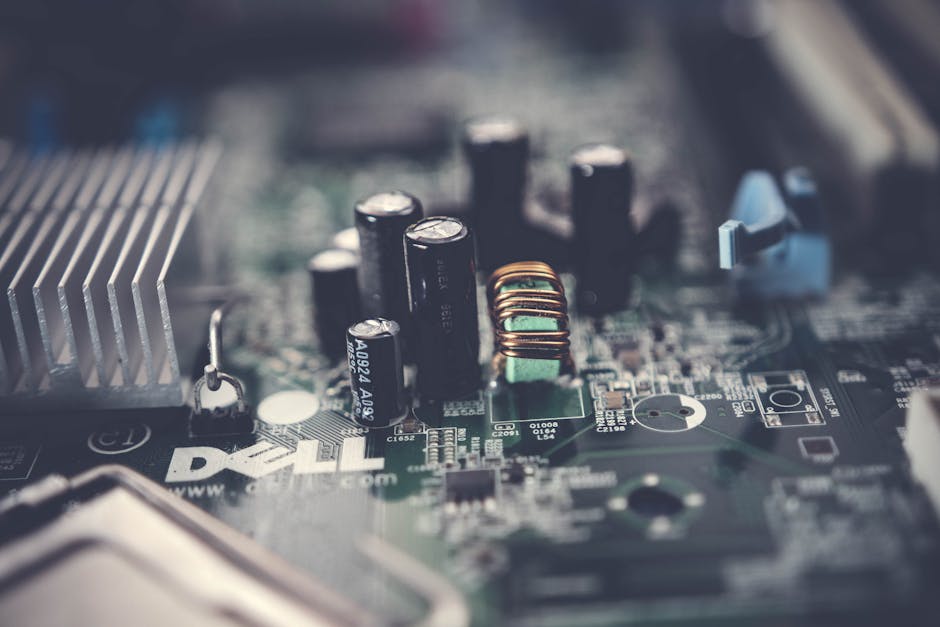
- Older CPUs like the 10-year-old Xeon processor can still be viable for specific tasks.
- The efficiency of older hardware is being recognized as a valuable resource in certain contexts.
- Cutting-edge technology is not always required for demanding tasks, and older hardware can suffice.
- Understanding the capabilities of older technology is crucial for optimizing computing resources.
- Reducing electronic waste is driving the exploration of alternative uses for older hardware.
The notion that cutting-edge technology always requires the latest hardware is being challenged by a fascinating discovery: a 10-year-old Xeon processor can suffice for running 26B-A4B MTP drafters without the need for a GPU. This finding is significant because it underscores the efficiency and capabilities of older hardware in specific contexts. As the tech community continues to push for more powerful and efficient solutions, understanding where older technology can still contribute is crucial.
Evidence of Capabilities

Hard data supports the idea that these older Xeon processors can handle demanding tasks like 26B-A4B MTP drafting. According to a blog post detailing experiments with a 2016 Xeon, the results show that for specific use cases, the processing power of this decade-old CPU is more than adequate. This challenges the conventional wisdom that the latest, high-end hardware is always necessary for complex computations.
Key Players and Roles

The actors in this scenario include hardware enthusiasts, researchers, and potentially, industries looking to optimize their computing resources. Recent moves by these groups include exploring alternative uses for older hardware, driven by the desire to reduce electronic waste and capitalize on the lingering capabilities of previous generations of technology. The role of the 2016 Xeon in this context is that of a surprisingly viable option for tasks not requiring the absolute latest in GPU technology.
Trade-Offs and Considerations

The decision to use older hardware like the 2016 Xeon for 26B-A4B MTP drafting involves several trade-offs. On one hand, there are cost savings and the environmental benefit of extending the life of existing technology. On the other hand, there may be limitations in terms of scalability and the ability to handle tasks that are heavily reliant on GPU processing. Understanding these trade-offs is crucial for making informed decisions about when to repurpose older hardware and when to invest in new technology.
Timing and Context

The timing of this discovery is significant, coming at a point where the tech industry is under increasing pressure to address issues of sustainability and efficiency. As companies and individuals look for ways to reduce their environmental footprint, findings like the capability of a 2016 Xeon to handle specific demanding tasks without a GPU offer valuable insights. The context of ongoing advancements in software optimization and the creative repurposing of older hardware also plays a role, highlighting the complex interplay between technological progress and resource utilization.
Where We Go From Here
Looking ahead to the next 6-12 months, several scenarios emerge. Firstly, there could be a renewed interest in optimizing software to run efficiently on older hardware, potentially leading to innovations in how we approach computational tasks. Secondly, the discovery might prompt a reevaluation of hardware requirements across various industries, leading to more sustainable practices. Lastly, as the tech community continues to explore the boundaries of what is possible with existing technology, we might see the development of new tools and methodologies that further leverage the capabilities of older CPUs.
In conclusion, the fact that a 10-year-old Xeon processor can suffice for running 26B-A4B MTP drafters without a GPU is a testament to the enduring value of older technology and a reminder that the latest hardware is not always necessary, offering a compelling case for the sustainable use of existing resources in the pursuit of technological advancement.
Source: Point