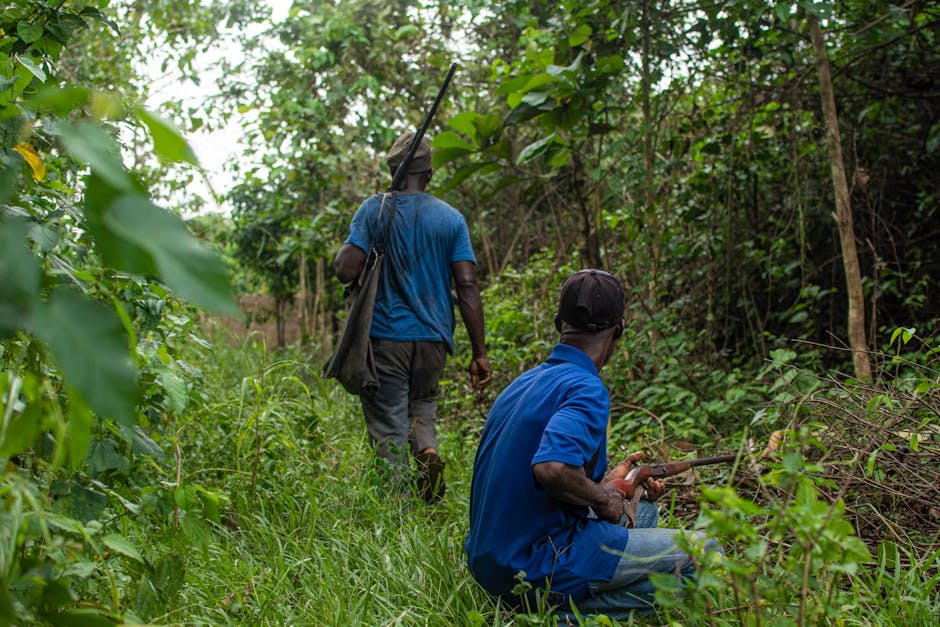
- Colombia’s FARC rebel group has returned to war, citing the failure of a historic peace deal.
- FARC dissidents claim the government has failed to provide them with adequate protection, leading to a resurgence of violence.
- The return to war undermines the progress made towards peace in Colombia and has implications for regional stability.
- FARC dissidents point to the lack of security guarantees and presence of other armed groups as major factors for returning to war.
- There has been a significant increase in clashes between FARC dissidents and government forces, resulting in casualties and displacements.
Colombia’s FARC rebel group has returned to war, citing the failure of a historic peace deal to deliver security, in a move that threatens to destabilize the country. The FARC dissidents, who refused to lay down their arms, claim that the government has failed to provide them with adequate protection, leading to a resurgence of violence. This development is significant as it undermines the progress made towards peace in Colombia and has implications for the region’s stability.
Evidence of Renewed Violence

According to a recent exclusive interview with Al Jazeera, FARC dissidents have explicitly stated their reasons for returning to war. The group’s leaders point to the lack of security guarantees and the continued presence of other armed groups in the region as major factors. Hard data on the renewed violence is still emerging, but primary sources indicate a significant increase in clashes between FARC dissidents and government forces over the past year, with numbers suggesting a rise in casualties and displacements.
Key Players and Their Roles

The main actors in this conflict include the FARC dissidents, the Colombian government, and other armed groups operating in the region. The FARC dissidents, led by key commanders, have been instrumental in organizing the renewed violence. The Colombian government, under the leadership of President Gustavo Petro, has faced criticism for its handling of the peace process and its inability to provide security to former rebels. Other armed groups, including ELN and paramilitary organizations, continue to exert influence in the region, further complicating the situation.
Trade-Offs and Consequences

The decision by FARC dissidents to return to war has significant costs, benefits, risks, and opportunities. On one hand, the renewed violence poses a major risk to the stability of Colombia and the region, potentially undermining the progress made towards peace. On the other hand, the FARC dissidents may see their actions as a necessary response to the government’s failure to deliver on its promises, potentially leading to a renegotiation of the peace deal. However, this comes at the cost of increased human suffering, displacement, and economic instability.
Timing and Context

The timing of the FARC dissidents’ return to war is crucial, as it comes at a moment when Colombia is facing significant economic and social challenges. The country is still recovering from the COVID-19 pandemic, and the renewed violence poses an additional strain on its resources. Furthermore, the regional context, with ongoing unrest in neighboring countries, suggests that the situation in Colombia could have broader implications for regional stability.
Where We Go From Here
Looking ahead to the next 6-12 months, there are three possible scenarios for the conflict in Colombia. Firstly, the government could attempt to renegotiate the peace deal, addressing the concerns of the FARC dissidents and providing additional security guarantees. Secondly, the conflict could escalate, leading to further violence and instability in the region. Thirdly, international pressure could mount, leading to a renewed effort to find a peaceful solution to the conflict. Ultimately, the path forward will depend on the actions of the key players involved and their ability to find a mutually acceptable solution.
In conclusion, the return of FARC rebels to war in Colombia is a significant development that threatens to undermine the progress made towards peace in the country. As the situation continues to evolve, it is essential to monitor the actions of the key players and the responses of the international community, as the consequences of this conflict have the potential to resonate far beyond Colombia’s borders. The bottom line is that a lasting solution to the conflict will require a concerted effort from all parties involved to address the underlying issues and provide a secure and stable future for the people of Colombia.
Source: Al Jazeera