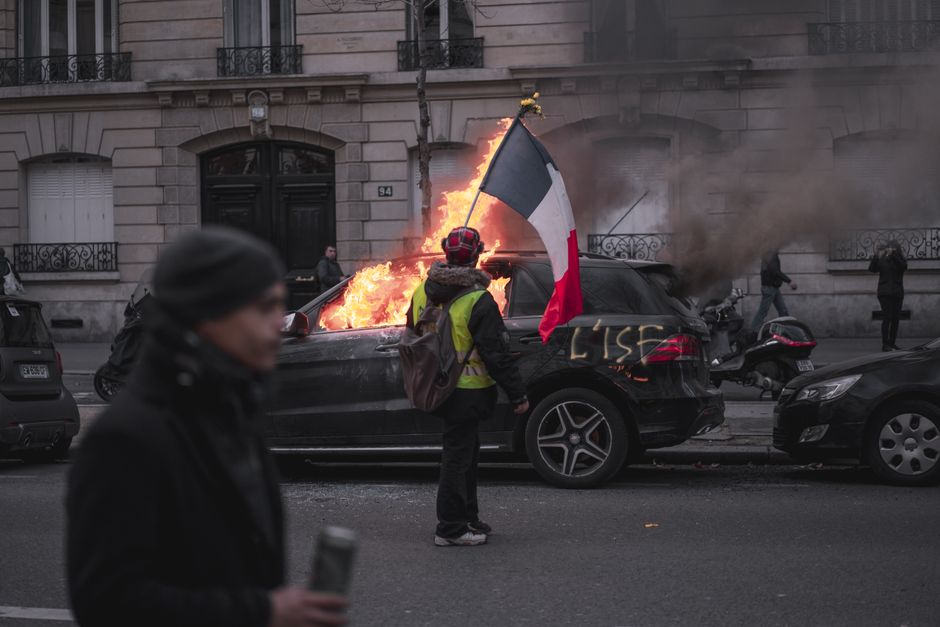
- Hundreds of people were arrested in France after PSG’s Champions League win, with 283 of those detained in Paris alone.
- The French government views the rioting as a serious incident, with a swift response from law enforcement and hundreds of arrests.
- The distinction between celebration and rioting can become blurred in the heat of the moment, but the consequences of rioting are severe.
- The rioting was not limited to one city, with reports coming in from multiple cities across France.
- The French Ministry of Interior reported 416 people detained nationwide in response to the Champions League victory.
What happens when a highly anticipated sports victory sparks widespread rioting across a nation? In France, the answer is evident: hundreds of arrests and a trail of destruction. Following Paris Saint-Germain’s (PSG) win over Arsenal in the Champions League, French authorities detained 416 people nationwide, with 283 of those arrests occurring in Paris alone, according to the French Ministry of Interior. This raises important questions about the intersection of sports, celebration, and public safety.
Understanding the Rioting

The immediate aftermath of PSG’s Champions League victory saw jubilant fans taking to the streets, but the celebrations quickly turned violent. Rioters engaged in destructive behavior, prompting a swift response from law enforcement. The French government’s swift action to detain hundreds underscores the seriousness with which they view these incidents. The context is crucial: in the heat of the moment, the distinction between celebration and rioting can become blurred, but the consequences of the latter are severe and far-reaching.
Evidence of the Unrest

Data from the French Ministry of Interior paints a picture of a nation grappling with the fallout of unchecked celebrations. With reports of rioting coming in from multiple cities, it’s clear that the issue is not isolated to Paris. Quotes from eyewitnesses describe scenes of chaos, with rioters clashing with police and property being damaged. The sources, including official statements and eyewitness accounts, all point to a challenging night for French authorities as they worked to restore order.
Counter-Perspectives

Skeptics might argue that the response from law enforcement was heavy-handed, potentially exacerbating the situation. Alternative views suggest that the rioting was not solely the result of the soccer victory but also of deeper social issues. Edge cases, such as the treatment of specific individuals during the arrests, also warrant consideration. It’s essential to acknowledge these perspectives to understand the complexity of the situation and to consider all factors when evaluating the government’s response and the societal implications of such events.
Real-World Impact

The concrete examples of the rioting’s consequences are stark. Beyond the arrests, there are reports of injuries and significant property damage. The economic impact, from damaged businesses to the cost of deploying law enforcement resources, will also be felt. Moreover, the international image of France may suffer, potentially affecting tourism and business investments. These consequences underscore the need for a balanced approach to celebrating sports victories, one that respects the joy of the moment while maintaining public safety and order.
What This Means For You
The practical takeaway for readers is the importance of responsible celebration. While the thrill of victory can be immense, it must be tempered with respect for the law and for public safety. As sports violence and its societal implications continue to be topics of discussion, understanding the factors that contribute to rioting and the measures that can be taken to prevent it is crucial for fans and authorities alike.
As the world watches and learns from these events, an open question remains: how can societies balance the enthusiasm and camaraderie of sports celebrations with the need to maintain public order and safety? The answer will likely involve a combination of community engagement, strategic policing, and fan education, highlighting the ongoing challenge of managing the intersection of sports and society.
Source: Al Jazeera